Breakthrough in Rare Pediatric Genetics: FDA Approves Fayuvi as the First Gene Therapy for Sanfilippo Syndrome Type A
 Pharm'Up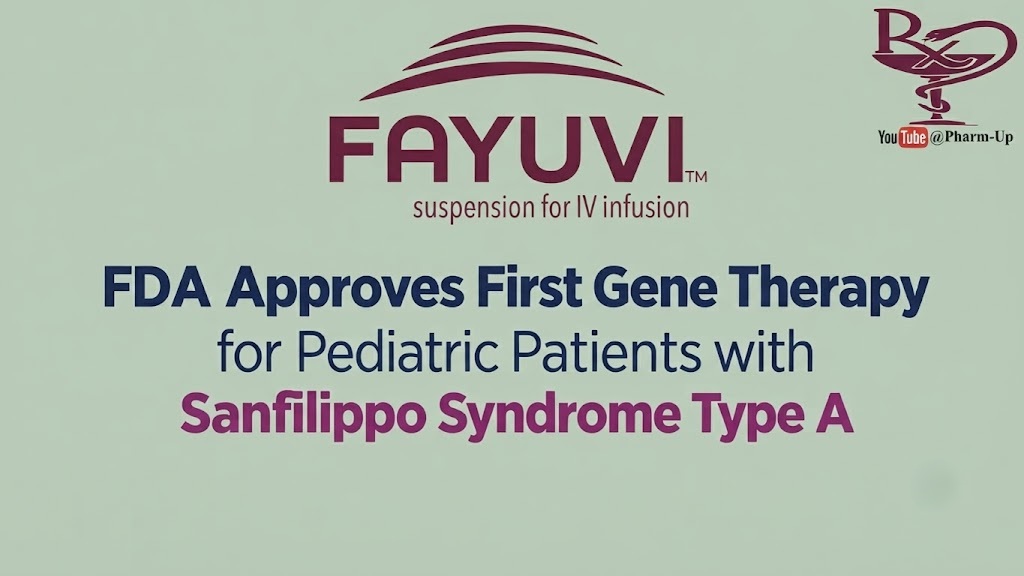
The landscape of pediatric rare disease treatment has reached a historic milestone. The U.S. Food and Drug Administration (FDA) has officially granted approval for Fayuvi (rebisufligene etisparvovec-hopf), marking it as the first-ever gene therapy authorized specifically for pediatric patients suffering from mucopolysaccharidosis type IIIA (MPS IIIA), widely known as Sanfilippo syndrome type A. Announced on September 17, 2026, this landmark authorization offers new hope for families navigating a condition that has historically lacked targeted, disease-modifying therapies.
Understanding Sanfilippo Syndrome Type A
Sanfilippo syndrome type A is a severe, rare inherited metabolic disorder that aggressively targets the brain and central nervous system. As the condition advances, affected children experience profound and progressive losses in cognitive function, language capabilities, and overall developmental milestones. Until now, clinical management was strictly supportive, leaving healthcare providers and families without any FDA-approved treatment to address the root genetic cause of MPS IIIA.
Mechanism of Action: Targeting the Root Cause
Developed by Ultragenyx Pharmaceutical, Inc., Fayuvi represents a paradigm shift from symptom management to genetic correction. Administered as a precise, one-time intravenous infusion, the therapy utilizes an engineered, non-infectious adeno-associated virus serotype 9 (AAV9) vector.
The primary objective of the AAV9 vector is to deliver a functional copy of the SGSH gene directly into the patient’s cellular machinery. In healthy individuals, the SGSH gene encodes sulfamidase, an essential enzyme responsible for breaking down heparan sulfate—a complex sugar molecule that can otherwise accumulate to toxic, harmful levels inside cells. By restoring functional sulfamidase production, Fayuvi is engineered to clear and prevent the dangerous buildup of heparan sulfate.
Clinical Efficacy and Trial Outcomes
The approval of Fayuvi was supported by data from an open-label, single-arm, multicenter clinical trial focusing on pediatric patients aged 2 to 5 years diagnosed with MPS IIIA. Because the natural history of Sanfilippo syndrome type A is characterized by relentless developmental regression and cognitive decline, measuring cognitive trajectories was paramount.
According to FDA evaluations, pediatric patients treated with Fayuvi successfully maintained or improved their cognitive functioning over time, performing favorably when compared against an untreated historical control group.
Safety Profile, Risks, and Administration Protocols
While the efficacy data is promising, treatment with Fayuvi requires rigorous clinical monitoring and premedication protocols.
- Common Adverse Reactions: Clinical observations noted side effects including elevated liver enzymes (increased AST levels), nausea, vomiting, fever, decreased appetite, leukopenia (decreased white blood cell counts), thrombocytopenia (decreased platelet counts), and elevated amylase levels.
- Special Warnings: The FDA has issued specific warnings regarding the risk of thrombotic microangiopathy (TMA). Furthermore, due to the nature of AAV-based vector delivery, there remains a theoretical long-term risk that the genetic material could integrate into the host genome, potentially contributing to tumor development, making sustained long-term monitoring essential.
- Patient Management: Patients must undergo a strict corticosteroid regimen starting one day prior to the infusion and continuing for a minimum of eight weeks post-infusion. Due to potential infusion-related complications, administration must take place exclusively within specialized healthcare settings equipped to manage acute reactions.
Regulatory Milestones and Future Outlook
Prior to its commercial green light, Fayuvi earned significant regulatory support from the FDA, securing Orphan Drug, Fast Track, and Breakthrough Therapy designations, underscoring its high unmet medical need.
This approval signifies a major leap forward for AAV vector technology and genetic medicines, particularly for complex disorders affecting the central nervous system. As medical science transitions deeper into gene-based interventions for rare pediatric genetic disorders, ongoing long-term follow-up studies will be critical to determine the sustained durability of Fayuvi and track any delayed safety outcomes.
About the Author