Alarming Rise in Pediatric Flu-Linked Neurological Complications Underscores Urgent Need for Vaccination
 Pharm'Up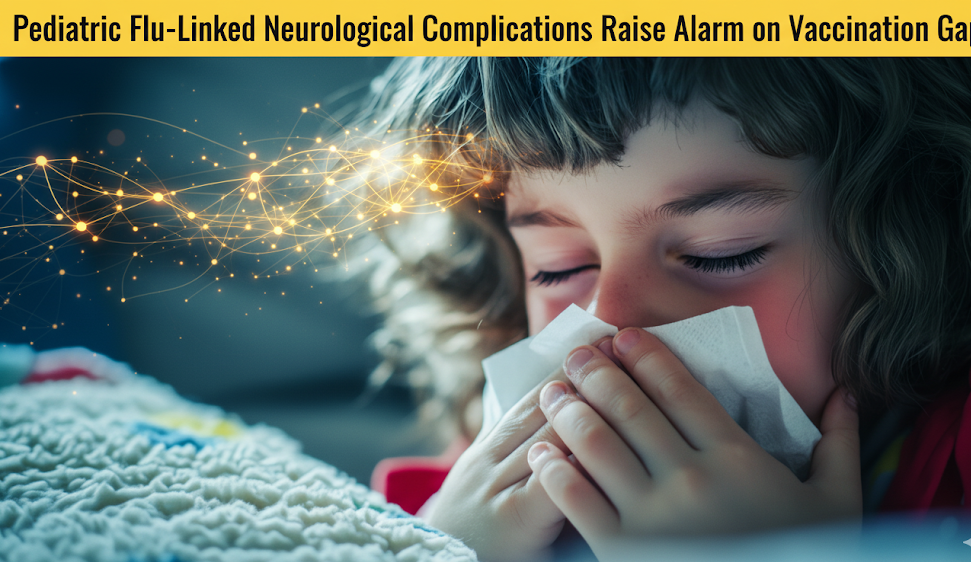
The 2024-25 U.S. flu season witnessed a deeply concerning surge in neurological complications among children infected with influenza, raising alarms about the critical gaps in vaccination coverage. A new CDC report from September 2025 revealed a shocking 109 cases of pediatric influenza-associated encephalopathy (IAE), including 37 cases of acute necrotizing encephalopathy (ANE). This represents the largest number of flu-related pediatric deaths and severe outcomes observed since national monitoring began in 2004.
These stark figures highlight the escalating impact of flu-associated neurologic complications and emphasize the urgent need for heightened recognition, timely intervention, and significantly improved vaccination rates across the healthcare spectrum.
The Alarming Scope of Neurological Complications
From the 2010–11 through the 2024–25 flu seasons, 1,840 pediatric influenza-associated deaths were recorded, with 9% (166 cases) involving documented IAE. The 2024–25 season alone saw 9 of 68 fatal pediatric flu cases (13%) include IAE, with 4 confirmed as ANE.
The expanded dataset published in September 2025 painted an even grimmer picture:
- IAE Group (109 cases): 74% required ICU admission, 54% were placed on mechanical ventilation, and 19% died.
- ANE Subgroup (37 cases): The death rate was significantly higher at 41%, and most survivors experienced prolonged neurological deficits.
- Affected Age Group: The children were very young, with a median age of 5 years for IAE and 4 years for ANE. Strikingly, more than half had no underlying health conditions.
- Rapid Onset: Neurologic manifestations, including seizures, developed rapidly—within two days of initial influenza symptoms.
- Intensive Treatment: Treatment regimens were intensive, with 84% receiving antiviral therapy (mostly after hospital admission) and ANE patients often requiring immunomodulatory treatments like corticosteroids or plasma exchange. The median hospital stay for ANE survivors averaged nearly a month.
Surveillance Gaps and the Role of Clinicians
The report also pointed to a critical deficiency in national surveillance, as existing networks have predominantly focused on fatal cases, potentially undercounting severe non-fatal outcomes. The CDC has recommended incorporating IAE and ANE monitoring into routine flu surveillance systems to accurately assess disease burden.
Clinicians, including pharmacists, are critical for early recognition and response. Pharmacists, in particular, should be vigilant for children presenting with fever or respiratory illness who rapidly develop seizures, altered mental status, or decreased consciousness. Prompt antiviral initiation, as per CDC recommendations, remains crucial for high-risk children, even without laboratory confirmation, as it may reduce complications.
The Dire Need for Increased Vaccination
A pivotal finding was the alarmingly low vaccination rate among affected children: only 16% of IAE patients and 13% of ANE patients were vaccinated at least two weeks before disease onset. This mirrors a concerning downward trend in general childhood influenza vaccination rates in the U.S.
Immunization remains the most effective strategy to reduce the severity of flu, hospitalizations, and associated complications. Pharmacists, being highly accessible healthcare providers, are uniquely positioned as frontline advocates for vaccination. They must emphasize not only the respiratory risks of flu but also these severe and devastating neurological complications to families.
The unprecedented increase in pediatric IAE and ANE during the 2024–25 flu season serves as a stark reminder of influenza’s potential severity. Expanded surveillance, timely antiviral treatment, and, most critically, improved vaccination coverage are essential to prevent future pediatric morbidity and mortality from this preventable disease.
About the Author