FDA Expands Approval of Evinacumab-dgnb (Evkeeza) for Homozygous Familial Hypercholesterolemia in Children as Young as One
 Pharm'Up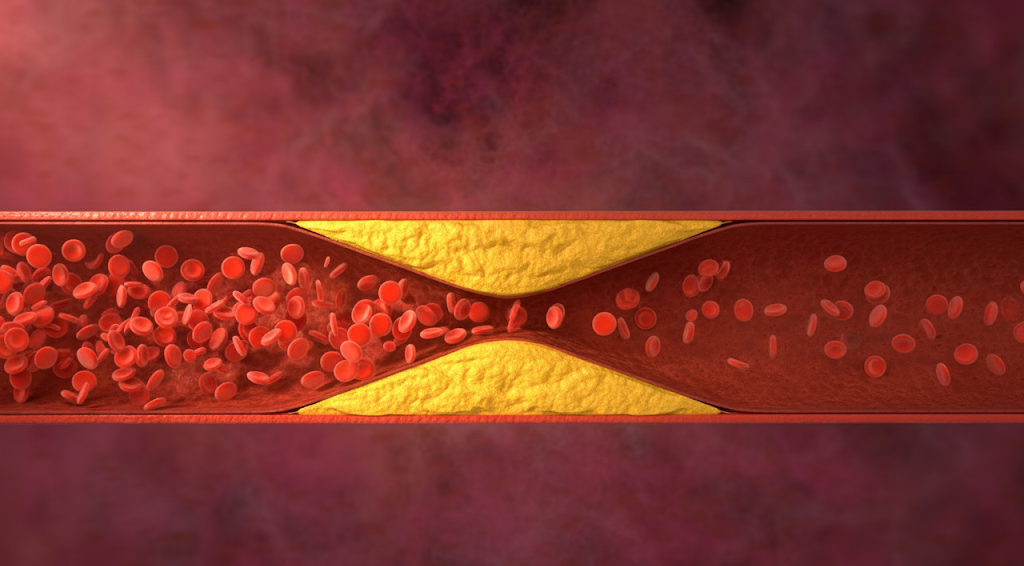
The US Food and Drug Administration (FDA) has granted an expanded indication for evinacumab-dgnb (Evkeeza), a fully human monoclonal antibody, to treat children aged 1 to less than 5 years with Homozygous Familial Hypercholesterolemia (HoFH). This decision marks a critical advancement for the youngest patients battling this rare and life-threatening form of high cholesterol, building upon prior approvals for older populations.
Evinacumab is indicated as an adjunct to diet, exercise, and other lipid-lowering therapies (LLTs). The treatment, developed by Regeneron, is a first-in-class drug designed to fill a significant unmet medical need for timely and effective HoFH management in young children.
What is HoFH?
HoFH is the most severe form of familial hypercholesterolemia, an inherited genetic disease. Patients with HoFH have dangerously elevated circulating levels of low-density lipoprotein cholesterol (LDL-C), often exceeding 400 mg/dL from birth. This extreme elevation accelerates the development of atherosclerotic cardiovascular disease (ASCVD), putting patients at a high risk for premature cardiac events as early as their teenage years. With only about 1,300 people affected in the US annually, the condition is incredibly rare.
Mechanism of Action: A Novel Target
Evinacumab operates through a novel mechanism by targeting the protein angiopoietin-like 3 (ANGPTL3).
- ANGPTL3’s Role: ANGPTL3 naturally inhibits two key enzymes: lipoprotein lipase (LPL) and endothelial lipase (EL), which are responsible for breaking down circulating lipids. This inhibition contributes to high LDL-C and triglyceride levels.
- Evinacumab’s Action: As a monoclonal antibody, evinacumab binds to and blocks ANGPTL3. By neutralizing this protein, evinacumab disinhibits LPL and EL, thereby reducing circulating lipids, including LDL-C, independent of the severely impaired LDL receptor pathway often seen in HoFH.
Researchers have found that individuals with non-functional ANGPTL3 naturally exhibit lower LDL-C levels and a reduced risk of coronary artery disease, establishing ANGPTL3 as a promising therapeutic target for cardiovascular prevention.
Clinical Evidence and Safety Profile
This latest approval was supported by safety and efficacy data from a small cohort of six children with HoFH in the United States expanded access or compassionate use programs.
- Efficacy: The young patients demonstrated robust reductions in LDL-C, consistent with the strong efficacy observed in older age groups (up to a 50% reduction in LDL-C in previous trials).
- Safety: The data showed no new safety concerns were identified in this youngest group.
- Common Adverse Reactions: The most frequent side effects included nasopharyngitis (common cold), influenza-like illness, dizziness, rhinorrhea (runny nose), nausea, and fatigue.
The expanded indication follows previous approvals for evinacumab in:
- 2021: Patients aged 12 and older.
- 2023: Children aged 5 through 11 years.
The Importance of Early Intervention
Katherine Wilemon, founder and CEO of the Family Heart Foundation, emphasized the significance of the approval, stating it “addresses a critical unmet need” for children who suffer from “extraordinarily high LDL-C levels from birth.”
Because HoFH causes premature ASCVD, an earlier diagnosis and prompt initiation of treatment are crucial for combating high cholesterol and preventing serious complications from diseased arteries and calcified heart valves. Evinacumab’s availability for children as young as one year old is a major step toward closing the treatment gap for this high-risk population.
Pharmacists play a vital role in this new landscape by counseling parents, communicating the mild nature of potential adverse effects, and stressing the necessity of maintaining evinacumab treatment alongside a healthy diet and existing lipid-lowering therapies for maximal efficacy. Research on the drug’s efficacy in children younger than one year of age is ongoing.
About the Author