Pharm'Up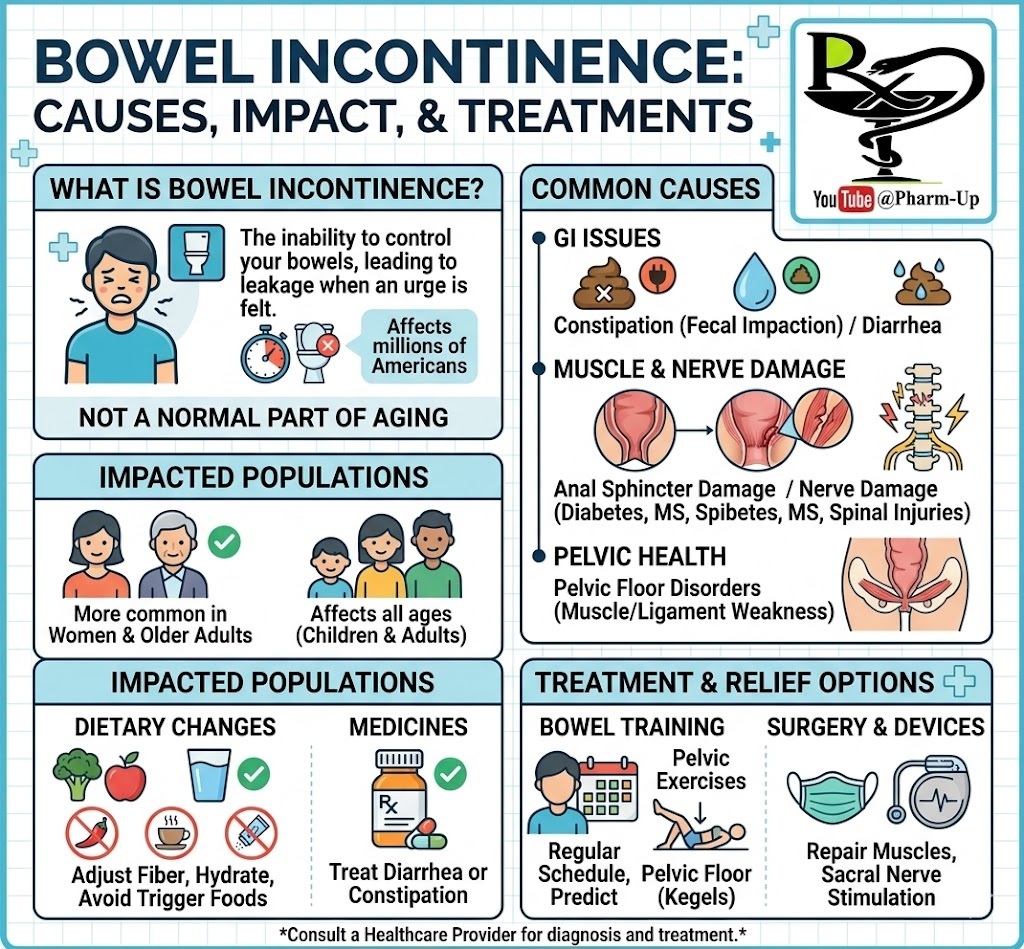
Bowel incontinence, the inability to control the release of stool (poop), is a common and distressing problem affecting millions of Americans. It means that when you feel the urge to have a bowel movement, you are unable to hold it until you can reach a toilet. While this issue affects people of all ages—including children and adults—it is particularly prevalent in women and older adults. However, it’s crucial to understand that bowel incontinence is not a normal part of aging.
What Causes Bowel Incontinence?
Bowel incontinence isn’t a single condition, but rather a symptom of an underlying problem. The key to effective treatment lies in identifying the root cause. Common triggers include:
| Cause Category | Specific Factors |
| Gastrointestinal Issues | Diarrhea: Loose, watery stools are difficult to hold. Constipation: A large mass of hard stool (fecal impaction) can stretch and weaken the rectum and anus, allowing loose stool to leak around the obstruction. |
| Muscle and Nerve Damage | Anal Sphincter Damage: This can occur during childbirth (vaginal delivery), surgery, or due to severe or repeated injury to the anal area. Nerve Damage: Conditions like diabetes, multiple sclerosis, or spinal cord injuries can impair the nerves that control the anal sphincter muscles. |
| Pelvic Health | Pelvic Floor Disorders: Weak or damaged muscles and ligaments in the pelvis (the bottom of the abdomen) can result in a lack of support for the rectum. |
Treatment Options for Restoring Control
A range of treatments can help reduce or eliminate bowel incontinence, often in combination. After a thorough diagnosis, a personalized treatment plan may include:
- Dietary Changes: Adjusting fiber intake, identifying and avoiding trigger foods (like caffeine, artificial sweeteners, or spicy foods), and ensuring adequate hydration can regulate stool consistency.
- Medicines: Over-the-counter or prescription drugs can address diarrhea or constipation, helping to stabilize bowel habits.
- Bowel Training: This involves learning to predict when you need a bowel movement and developing a regular schedule to empty the bowels. Pelvic floor exercises (like Kegels) may also be recommended.
- Surgery: In some cases, surgery is required to repair damaged anal sphincter muscles or support the pelvic floor. Other procedures, such as sacral nerve stimulation (a pacemaker-like device that stimulates anal nerves), may be considered.
If you are experiencing bowel incontinence, it’s vital to speak with a healthcare provider. They deal with these issues every day and can provide a confidential, supportive environment to help you regain control and improve your quality of life.
About the Author





 Pharm'Up