Historic Breakthrough Dr. Reddy’s, Unitaid, CHAI, and Wits RHI Partner to Deliver Affordable Injectable HIV Prevention (Lenacapavir) to LMICs at $40/Year
 Pharm'Up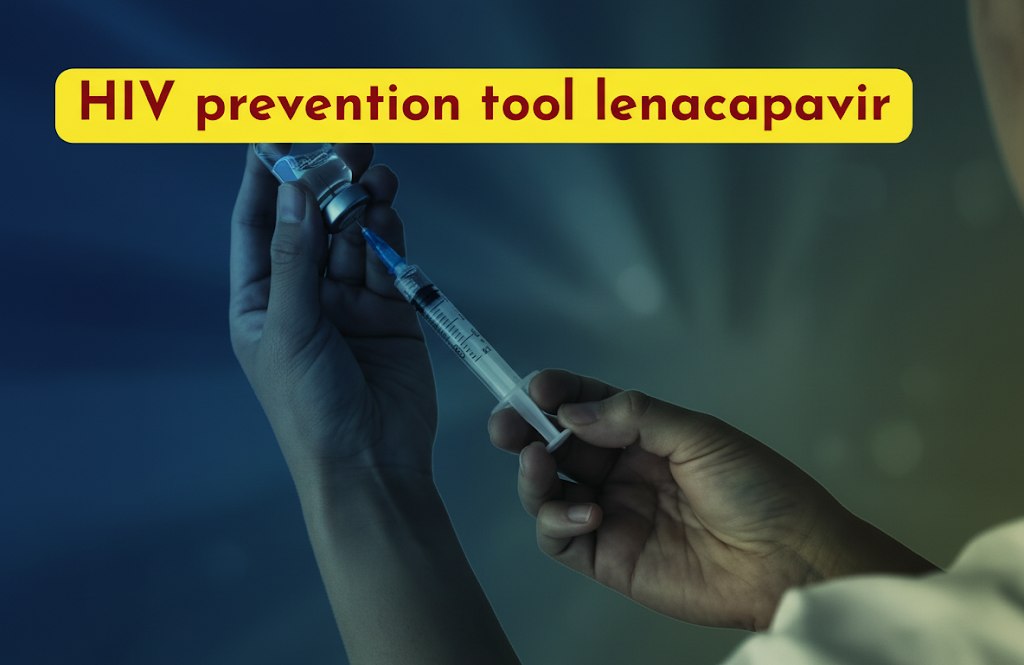
In a landmark global health collaboration, the revolutionary injectable HIV prevention tool, lenacapavir, is set to become available in 120 low- and middle-income countries (LMICs) at an unprecedented cost of USD 40 per year, starting in 2027. This transformative agreement is the result of a new partnership between Dr. Reddy’s Laboratories, Unitaid, the Clinton Health Access Initiative (CHAI), and Wits RHI.
Originally developed by Gilead Sciences, lenacapavir is a twice-yearly injection that has demonstrated exceptional effectiveness in preventing HIV. This long-acting injectable is poised to revolutionize HIV prevention, especially for millions who face challenges with adherence to daily oral pre-exposure prophylaxis (PrEP) pills. The new agreement makes the price of the injectable on par with oral PrEP, a crucial factor for uptake in resource-limited settings.
Key Aspects of the Partnership
- Affordable Pricing: Lenacapavir will be available at USD 40 per person per year for the twice-yearly injection regimen in 120 LMICs. The initial oral loading dose will cost no more than USD 17.
- Accelerated Access: The partnership will enable Dr. Reddy’s to deliver affordable, quality-assured generic versions of lenacapavir to LMICs by 2027, less than two years after the regulatory approval of Gilead’s product in high-income countries. Such rapid access for new medicines in LMICs typically takes a decade or more.
- Comprehensive Support: CHAI and Unitaid will provide Dr. Reddy’s with financial, technical, and regulatory support to facilitate the development and supply of the generic product.
- Global Health Imperative: Despite significant progress in reducing new HIV infections, UNAIDS data show 1.3 million new infections occurred in 2024. Lenacapavir offers a vital new tool to further curb the epidemic.
- Multi-Partner Strategy: This Unitaid-backed deal is part of a broader strategy to foster a competitive and sustainable market for long-acting HIV prevention. The Gates Foundation has also secured a separate agreement with another licensed manufacturer, Hetero Labs, ensuring multiple affordable options and a reliable supply chain.
- Regulatory Milestone: Following swift regulatory approvals from the U.S. FDA and European Medicines Agency, the World Health Organization (WHO) issued a global recommendation for lenacapavir in July.
Dr. Philippe Duneton, Unitaid’s Executive Director, hailed the agreement: “Securing a USD 40 price for the twice-yearly lenacapavir injection for PrEP is a historic breakthrough that proves the most advanced tools can be made affordable from the very start. This directly answers the calls from countries and communities to make lenacapavir as affordable as oral PrEP.”
President Bill Clinton, Board Chair and Co-Founder of CHAI, remarked: “The ability to protect someone for six months with a single injection, at the same cost as the currently available daily pills, is truly transformational… It’s a new model for how innovation reaches those who need it most.”
Deepak Sapra, CEO of API and Services at Dr. Reddy’s Laboratories, reiterated the company’s commitment: “This partnership combines our deep science and market expertise with our partners’ technical, financial and regulatory strengths. It reinforces our commitment to address the needs of underserved populations, in keeping with our ambitious goal to impact 1.5 billion patients by 2030, globally.”
This groundbreaking initiative builds upon Gilead’s voluntary licenses granted in October 2024 to six generic manufacturers, including Dr. Reddy’s. It also complements existing commitments from PEPFAR and Global Fund, with support from the Children’s Investment Fund Foundation (CIFF), to procure lenacapavir for up to 2 million people in LMICs.
Unitaid continues its efforts to integrate lenacapavir into HIV prevention programs by supporting policy, regulatory processes, and real-world research in early adopter countries, aiming to expand community-based delivery across sub-Saharan Africa. While progress is significant, Unitaid remains committed to addressing access barriers in countries not yet covered by existing agreements.
About the Author