Pharm'Up
Brain tumors are abnormal growths of cells within the skull. In children, these are among the most common forms of cancer, though they differ significantly from adult brain tumors in how they grow and respond to treatment.
Types of Tumors
- Malignant Tumors: These are cancerous, grow rapidly, and can invade surrounding healthy brain tissue.
- Benign Tumors: While not cancerous, they can still be life-threatening because they occupy space within the rigid skull, putting pressure on vital brain centers.
Warning Signs in Children
Symptoms vary based on the tumor’s location and the child’s age. Because the skull hasn’t fully fused in infants, an increased head size can be a primary indicator. For older children, common red flags include:
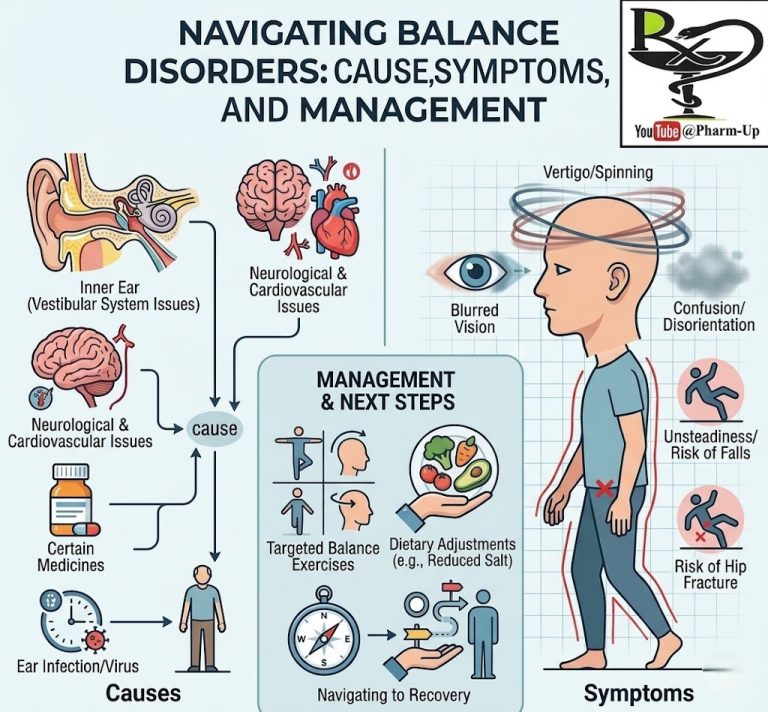
- Neurological Changes: Loss of balance, trouble walking, or sudden speech and hearing problems.
- The “Morning Pattern”: Headaches that are worse in the morning or improve specifically after vomiting.
- Physical Disruptions: Frequent nausea, unexplained seizures, or unusual sleepiness.
- Behavioral Shifts: Sudden, unexplained changes in personality or mood.
Diagnosis and Specialized Treatment
Diagnosing a childhood brain tumor involves a combination of neurological exams and advanced imaging (like MRI). Unlike adult cases, treatment for children must account for a developing brain.
- Surgery: This is the primary treatment. The goal is to remove as much of the tumor as possible without damaging critical brain functions.
- Radiation and Chemotherapy: These may be used if the tumor cannot be fully removed or is highly aggressive.
- Long-term Monitoring: Because a child’s brain is still growing, “survivorship” care is vital to manage potential long-term side effects on growth, hormone levels, and cognitive development.
About the Author