New Copper Catalyst Breakthrough Unlocks Indole C5 Position for Drug Development
 Pharm'Up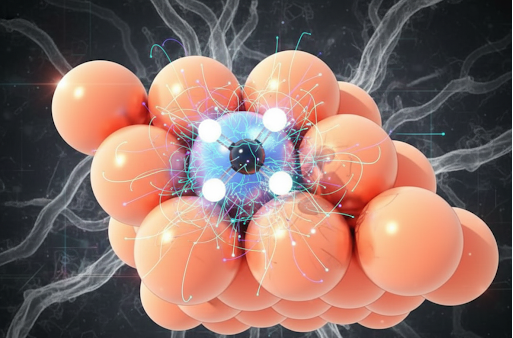
Researchers at Chiba University, Japan, have reported a significant breakthrough in synthetic organic chemistry by developing a novel and cost-effective method to functionalize the C5 position of indole. The study, published in the journal Chemical Science, addresses a long-standing challenge in drug development and has the potential to accelerate the creation of new therapeutic agents.
The Challenge with Indoles
Indole, a molecule composed of a benzene ring fused to a nitrogen-containing ring, forms the core structure of countless biologically active compounds. Many essential drugs for treating conditions like migraines, infections, and hypertension are built on an indole scaffold. However, chemists have faced a persistent challenge: the difficulty of precisely modifying certain positions on the indole’s less reactive benzene ring, especially the C5 carbon. This limitation has hindered the ability to synthesize novel compounds with unique biological properties.
The Copper-Catalyzed Solution
The research team, led by Associate Professor Shingo Harada, developed a method that selectively attaches an alkyl group to the C5 position using a relatively inexpensive copper-based catalyst. The reaction uses highly reactive carbon species known as carbenes as the source for new carbon-carbon bonds. By carefully optimizing the reaction conditions, the team achieved remarkable yields of up to 91%, a substantial improvement over previous, less efficient methods.
Unraveling a Complex Mechanism
To understand how the reaction works, the researchers performed quantum chemical calculations. The results revealed a surprising two-step mechanism. Instead of the carbene directly attacking the C5 position, it first forms a temporary bond at the adjacent C4 position, creating a strained three-membered ring intermediate. The copper catalyst then plays a critical role, stabilizing this unstable intermediate and lowering the energy barrier, which allows for the rapid rearrangement and shift of the new group to the desired C5 position. This mechanistic insight is as valuable as the reaction itself, as it provides a blueprint for future chemical designs.
Long-Term Impact on Medicine
The versatility of this new method is a major advantage. It works with a wide variety of indoles, opening the door to the synthesis of a broad range of molecules that closely mimic natural products and active pharmaceutical ingredients. As Dr. Harada notes, this discovery may not cause an immediate seismic shift but will foster a “steady progress in drug discovery,” leading to a significant long-term impact by equipping chemists with a powerful new tool. The team’s ongoing research will explore other metal-carbene reactions, aiming to create even more selective and efficient strategies for building complex, indole-based molecules for the treatment of specific diseases.
About the Author