Pharm'Up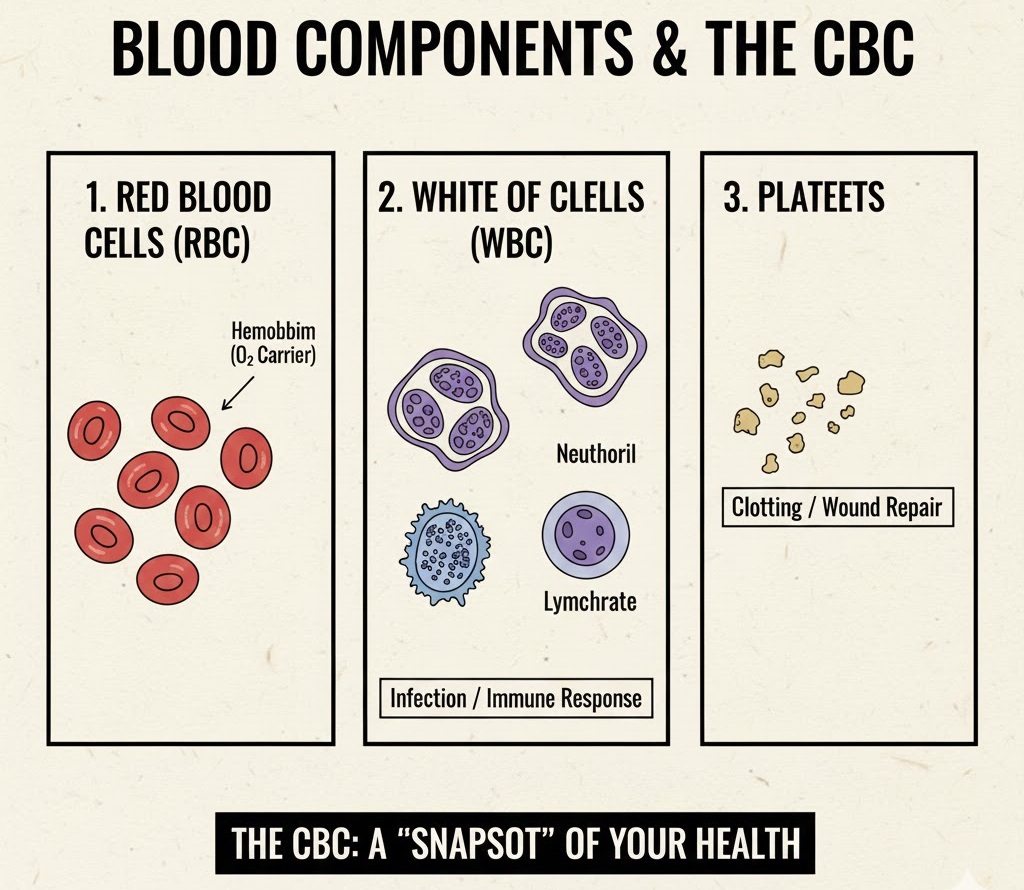
A Complete Blood Count (CBC) is one of the most fundamental and informative medical tests available. By analyzing the different cellular components of your blood, doctors can gain a comprehensive view of your overall health and detect a wide range of conditions, from simple nutrient deficiencies to complex immune disorders.
The Primary Components of Blood
Your blood is a complex fluid made up of three main types of cells, each with a specific life-sustaining role:
- Red Blood Cells (RBCs): The “delivery trucks” of the body, responsible for carrying oxygen from the lungs to the tissues.
- White Blood Cells (WBCs): The “soldiers” of the immune system, which identify and destroy bacteria, viruses, and other foreign invaders.
- Platelets (Thrombocytes): The “repair crew” that clusters together to form clots and stop bleeding after an injury.
Key Markers in a Blood Count Test
When you receive a CBC report, you will see several specific measurements that provide a deeper look into how your blood is functioning:
Red Blood Cell Indices
- Hemoglobin (Hgb): An iron-rich protein that physically binds to oxygen. Low levels often indicate anemia.
- Hematocrit (Hct): The percentage of your total blood volume made up of red cells. It shows if your blood is too “thin” or too “thick.”
- Mean Corpuscular Volume (MCV): Measures the average size of your red blood cells.
- Small cells may suggest iron deficiency.
- Large cells may suggest Vitamin B12 or folate deficiency.
- Reticulocyte Count: Measures “young” or newly made red blood cells, showing how well your bone marrow is producing them.
White Blood Cell Count
This measures the total number of immune cells. A high count often indicates an infection or inflammation, while a very low count might suggest a bone marrow problem or an immune system disorder.
Platelet Count
Measures the quantity and size of platelets. Low levels can lead to excessive bleeding or bruising, while high levels can increase the risk of dangerous blood clots.
Why Doctors Order a CBC
Because blood interacts with every organ system, changes in cell counts are often the first sign of trouble. Doctors use these tests to:
- Screen for Disease: Detecting anemia, leukemia, or systemic infections.
- Monitor Conditions: Checking how a chronic disease or a specific medication is affecting blood production.
- Check Treatment Progress: Seeing if chemotherapy or nutritional supplements are working.
About the Author




 Pharm'Up