Pharm'Up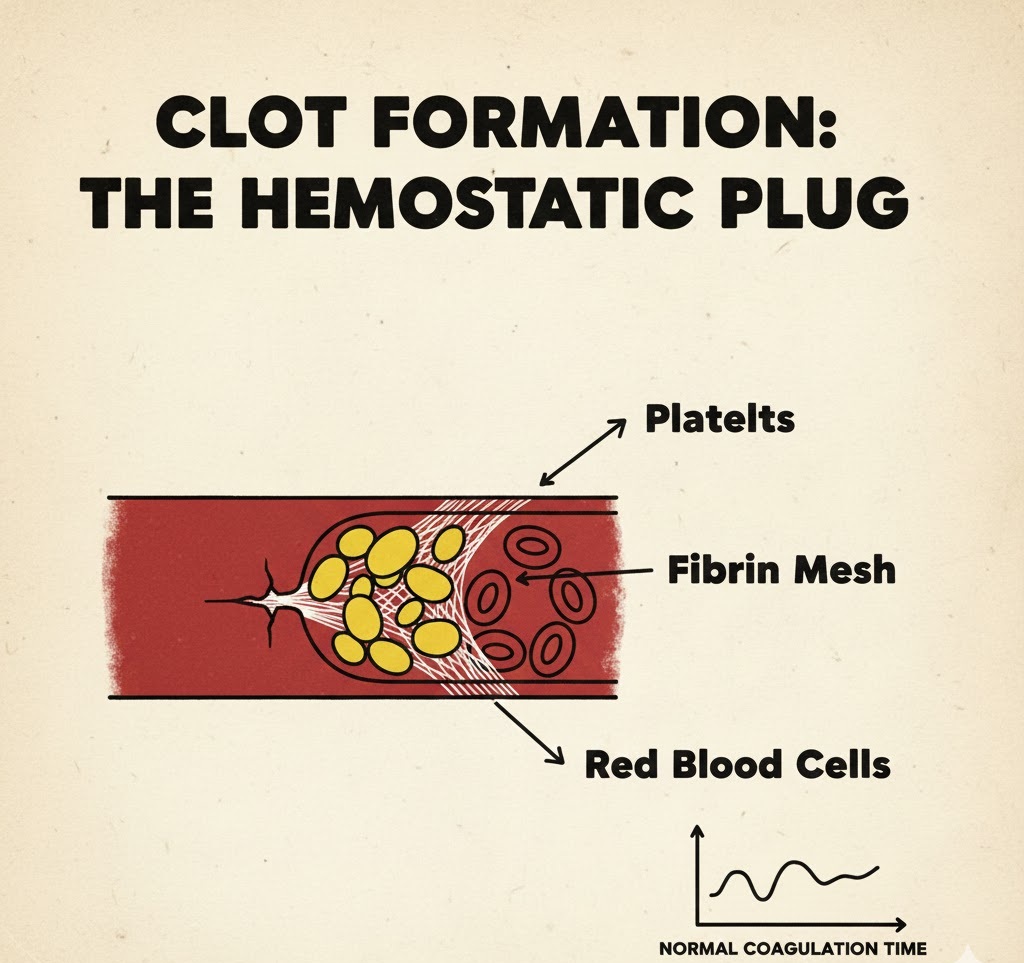
Bleeding disorders are a group of conditions that occur when the blood’s ability to coagulate (clot) is impaired. In a healthy system, clotting is a precise biological process that seals wounds and prevents excessive blood loss. When this system fails, even minor injuries can become prolonged or dangerous.
How Clotting Works (and Why It Fails)
To stop bleeding, your body relies on a two-part defense system:
- Platelets: Tiny blood cells that act as the first responders, sticking together to plug a leak.
- Clotting Factors: Specialized proteins that act as “glue,” reinforcing the platelet plug into a stable clot.
A bleeding disorder occurs if you have too few platelets, missing clotting factors, or if these components are present but dysfunctional.
Common Causes of Bleeding Disorders
Bleeding disorders are not always present from birth; they can be acquired through lifestyle, environment, or other health conditions:
- Inherited Conditions: Genetic diseases like Hemophilia (missing clotting factors VIII or IX) or von Willebrand disease are passed down through families.
- Liver Disease: Since the liver produces most of your clotting factors, severe liver damage can disrupt the entire process.
- Nutritional Deficiencies: A lack of Vitamin K is a common cause, as the body requires this vitamin to synthesize several key clotting proteins.
- Medication Side Effects: Drugs like blood thinners (anticoagulants) or even heavy use of aspirin can interfere with the body’s ability to form clots.
Diagnosis and Management
If a bleeding disorder is suspected, doctors use a combination of physical exams and specific laboratory diagnostics.
Diagnostic Tests
- Complete Blood Count (CBC): To measure the number of platelets in your blood.
- Prothrombin Time (PT) and PTT: Tests that measure exactly how many seconds it takes for your blood to clot.
- Factor Assays: Specialized tests to identify which specific clotting protein is missing.
Treatment Options
Treatment is highly specific to the underlying cause:
- Factor Replacement Therapy: Infusions of missing clotting factors (common for Hemophilia).
- Platelet Transfusions: For patients with dangerously low platelet counts.
- Vitamin K Supplements: To correct deficiencies.
- Fresh Frozen Plasma (FFP): A transfusion used in emergencies to provide a broad range of clotting factors.
About the Author


 Pharm'Up