Pharm'Up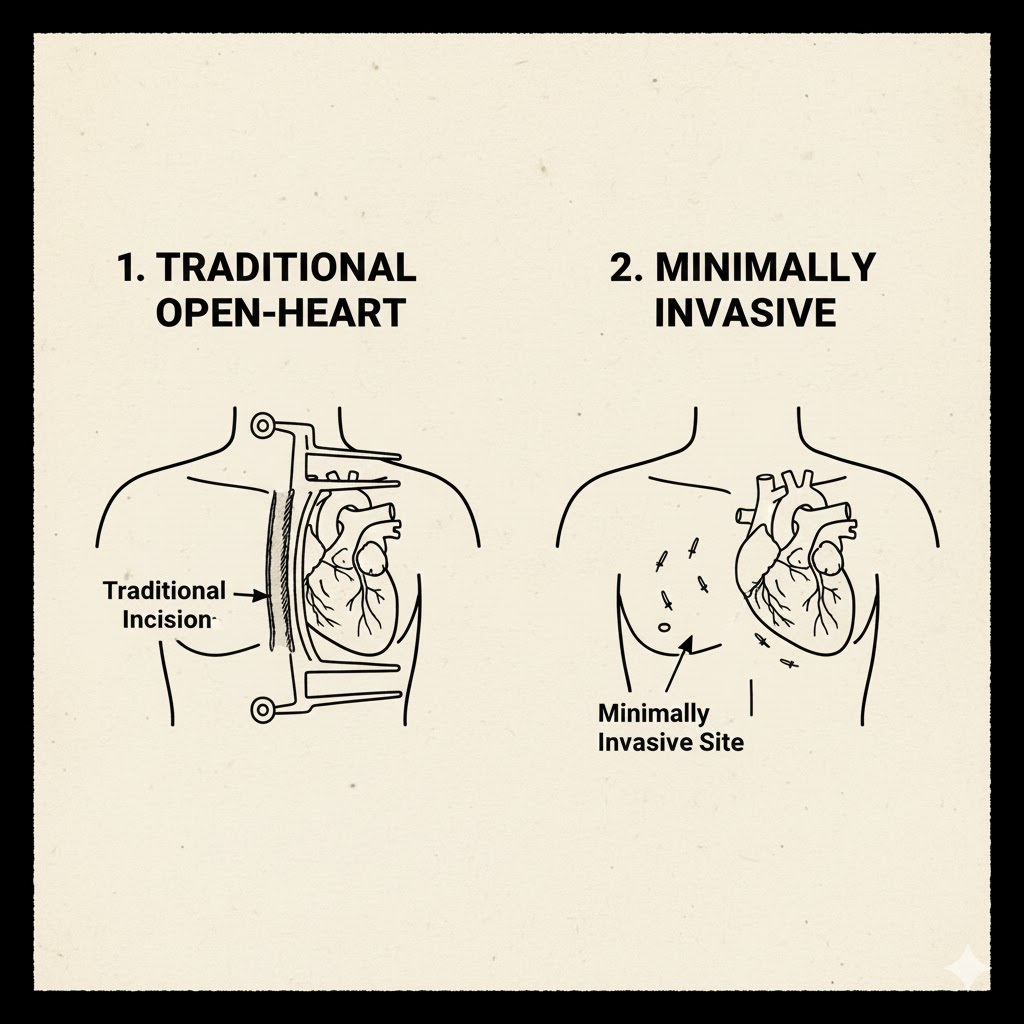
Heart surgery is a specialized field of medicine used to treat structural or electrical problems within the heart. While some procedures are planned weeks in advance, others are life-saving emergencies performed immediately following a severe heart attack or a ruptured aneurysm.
Common Conditions and Surgical Solutions
Surgeons use different techniques depending on which part of the heart is malfunctioning.
| Condition | Surgical Action |
| Coronary Artery Disease (CAD) | CABG (Bypass): Creates a new route for blood around blocked arteries. |
| Heart Valve Disease | Repair or Replacement: Fixes leaky valves or replaces them with mechanical or biological versions. |
| Arrhythmia | Pacemaker/ICD: Implanting devices to regulate the heart’s electrical rhythm. |
| Heart Failure | VAD or Transplant: Installing a mechanical pump or replacing the entire heart. |
| Aneurysm | Patching/Grafting: Strengthening a bulging artery wall with a synthetic tube. |
Surgical Approaches
The “approach” refers to how the surgeon accesses the heart. The choice depends on the complexity of the repair and the patient’s overall health.
1. Open-Heart Surgery (Traditional)
The surgeon makes a large incision in the chest and separates the breastbone (sternum).
- Heart-Lung Bypass Machine: Most open-heart surgeries require this machine to take over the work of the heart and lungs so the surgeon can operate on a still, non-beating heart.
2. Off-Pump Surgery
This is still an open-chest procedure, but the heart is not stopped. Surgeons use stabilization devices to hold a specific part of the heart still while it continues to pump blood to the body.
3. Minimally Invasive & Robotic Surgery
Instead of a large chest incision, the surgeon makes small “keyhole” cuts between the ribs.
- Robotic-Assisted: The surgeon sits at a console and controls high-precision robotic arms. This reduces blood loss, scarring, and recovery time.
Risks and Considerations
While heart surgery outcomes are generally excellent, major procedures carry inherent risks:
- Bleeding and Infection: Common to all major surgeries.
- Organ Damage: Temporary or permanent issues with the kidneys, liver, or lungs due to changes in blood flow during surgery.
- Stroke: If a small clot or piece of plaque is dislodged during the procedure.
- Arrhythmia: The heart’s electrical system can be sensitive to being handled or “restarted.”
Factors that increase risk:
- Emergency status (no time for pre-op optimization).
- Pre-existing conditions like Diabetes, Kidney Disease, or Lung Disease (COPD).
Recovery and Life After Surgery
Recovery begins in the Intensive Care Unit (ICU) and continues with Cardiac Rehabilitation. Most patients find that their quality of life improves significantly as symptoms like chest pain and shortness of breath disappear.
About the Author



 Pharm'Up