Pharm'Up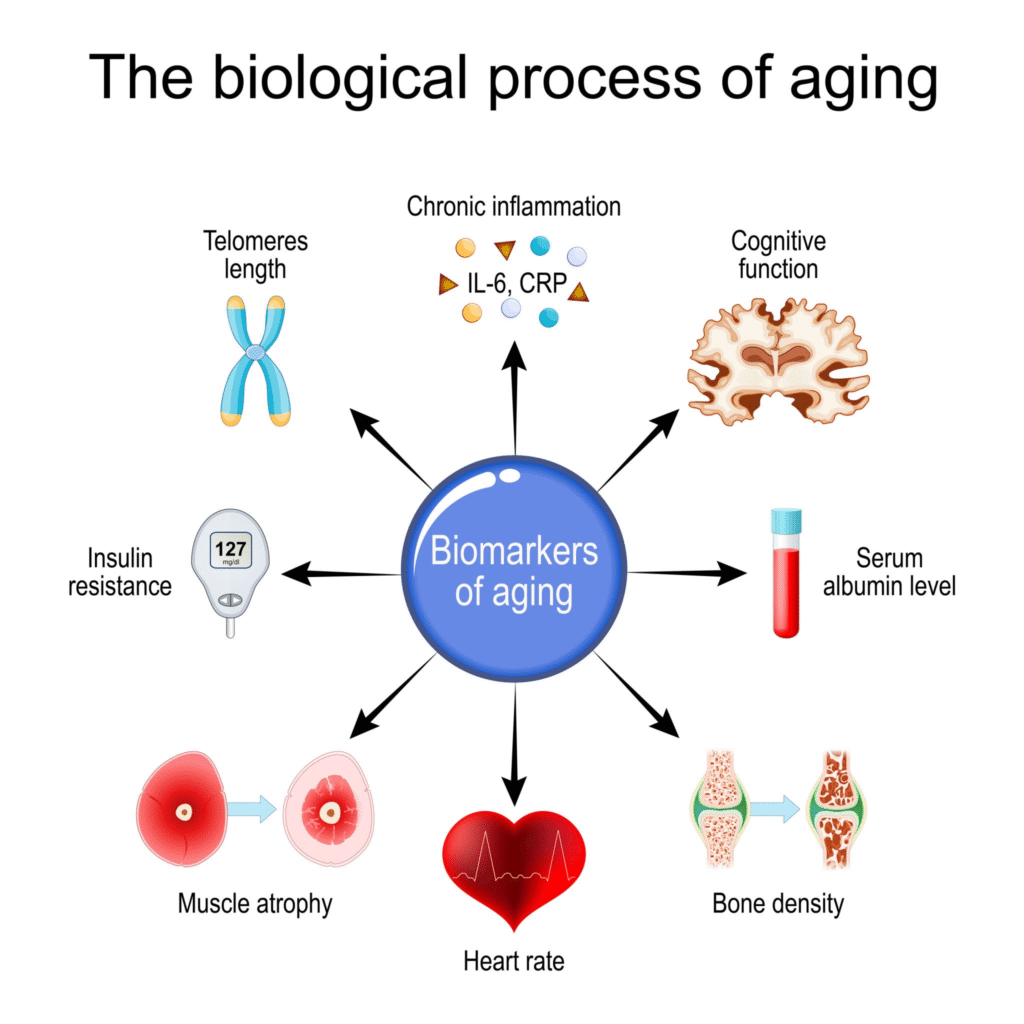
A new study in JAMA Network Open reveals a direct link between long-term obesity and accelerated biological aging in young adults. The research suggests that obesity may not just be a risk factor for future health problems, but an active driver of age-related physiological decline, which can lead to early-onset chronic diseases.
Obesity and Biomarkers of Aging
The study investigated how obesity, especially when it begins early in life, affects a person’s biological age at a molecular level. Researchers analyzed blood samples from a cohort of 205 young Chilean adults (ages 28-31) and sorted them into three groups based on their lifelong weight trajectory:
- Healthy BMI: Those who maintained a healthy weight.
- Persistent obesity since adolescence: Individuals who became obese in their teenage years.
- Persistent obesity since childhood: Individuals who were obese from a very young age.
The results showed that participants with long-term obesity had significantly higher levels of several aging-related biomarkers, including hs-CRP, IL-6, FGF-21, IGF-1, IGF-2, apelin, and irisin.These markers are associated with key hallmarks of aging, such as chronic inflammation and metabolic dysfunction. The study noted that these connections had a “large effect size,” indicating a strong relationship between the duration of obesity and the presence of these aging signals.
Implications for Health and Disease
The study’s findings highlight the profound impact of long-term obesity. The presence of these aging biomarkers in young adults suggests that prolonged excess weight can lead to a state of premature physiological decline. This accelerated aging process may explain why conditions typically associated with older age, such as insulin resistance and atherosclerosis, are increasingly being seen in younger populations. The research reinforces the idea that obesity is a complex health issue that directly impacts a person’s biological health, not just their physical appearance or BMI number.
This study links long-term obesity in young adults to accelerated biological aging and elevated biomarkers.
About the Author