Pharm'Up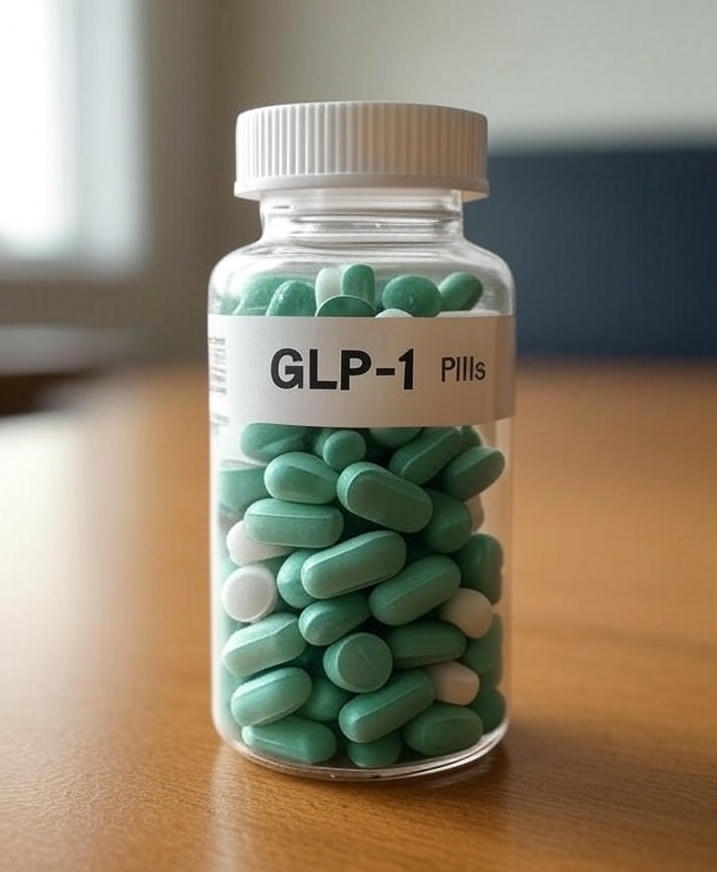
New data from the phase 3 ATTAIN-1 trial (NCT05869903) has shown that orforglipron, an investigational once-daily oral medication, is both effective and well-tolerated for weight management. The study, which evaluated the drug as an adjunct to diet and exercise, successfully met its primary and all key secondary endpoints, offering a potential new treatment option for the more than 1 billion people impacted by obesity worldwide.
How Orforglipron Works
Orforglipron is a small-molecule, nonpeptide, oral glucagon-like-peptide-1 receptor agonist (GLP-1 RA). Unlike many currently available GLP-1 therapies that are administered via injection, orforglipron is taken orally, which could be a significant convenience advantage for patients. GLP-1s work by stimulating insulin release from the pancreas, slowing down the rate at which the stomach empties, and promoting a feeling of fullness. These actions help to reduce food intake and lead to clinically meaningful weight loss.
Trial Design and Clinical Outcomes
The ATTAIN-1 trial was a 72-week, randomized, double-blind, placebo-controlled study that included 3,127 adults. Participants had obesity or were overweight with at least one comorbidity such as hypertension, dyslipidemia, cardiovascular disease, or sleep apnea, but did not have diabetes. Patients were randomly assigned to receive either a placebo or one of three doses of orforglipron: 6 mg, 12 mg, or 36 mg.
The results at 72 weeks were compelling:
- Significant Weight Reduction: The highest dose (36 mg) led to an average weight loss of 27.3 pounds.
- High-Responder Rate: Nearly 60% of individuals on the highest dose lost at least 10% of their body weight, while almost 40% achieved a weight loss of 15% or more.
- Cardiometabolic Benefits: Beyond weight loss, the study also found that orforglipron reduced important markers of cardiovascular risk, including non-HDL cholesterol, triglycerides, and systolic blood pressure, across all three doses.
Safety and Discontinuation
Like other medications in its class, the most common adverse events were gastrointestinal, including nausea, constipation, diarrhea, and vomiting. These side effects were generally mild to moderate in severity. While discontinuation rates due to adverse events were higher for the orforglipron groups compared to placebo, the overall discontinuation rates for all reasons were actually lower in the orforglipron groups.
Looking Ahead
The successful results of the ATTAIN-1 trial position orforglipron as a promising new tool in the fight against obesity. According to Kenneth Custer, PhD, of Lilly Cardiometabolic Health, the company plans to submit orforglipron for regulatory review by year-end, with the goal of a global launch. As a convenient oral therapy, orforglipron could help transform obesity care by enabling earlier intervention and long-term disease management, offering a convenient alternative to injectable treatments.
About the Author