Understanding Coronary Artery Disease (CAD): The Path from Plaque to Heart Failure
 Pharm'Up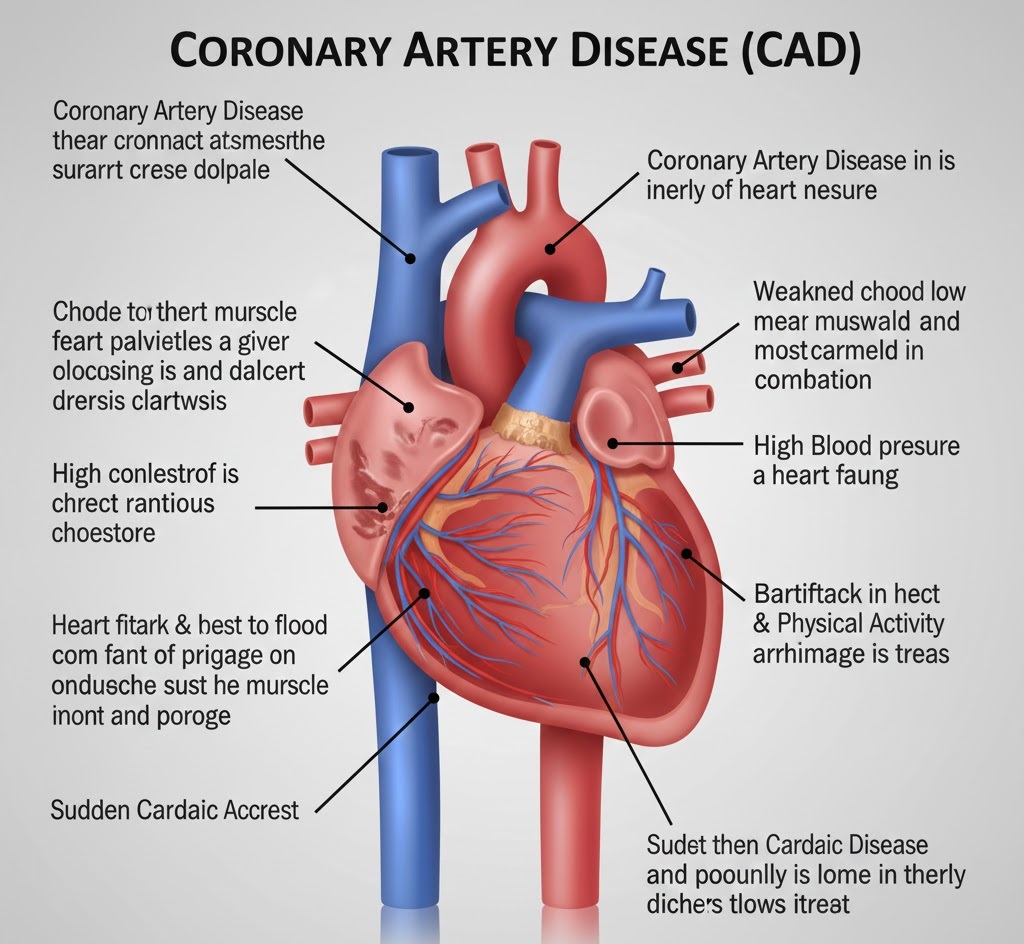
Coronary Artery Disease (CAD) is the most prevalent form of cardiovascular disease and remains the leading cause of mortality globally for both men and women. It is a progressive condition where the heart’s primary supply lines—the coronary arteries—lose their ability to deliver life-sustaining oxygen and nutrients to the heart muscle.
The Mechanism: Atherosclerosis
The foundation of CAD is a process called atherosclerosis. This occurs when the inner walls of the arteries become damaged due to various factors (like high blood pressure or smoking), allowing “plaque” to accumulate.
- Plaque Composition: A sticky mixture of cholesterol, fatty substances, cellular waste, calcium, and fibrin.
- Vascular Narrowing: As plaque deposits grow, they harden and narrow the channel of the artery.
- Oxygen Deprivation: The heart muscle (myocardium) requires a constant flow of oxygen. When blood flow is restricted, the heart begins to “starve,” leading to a condition known as ischemia.
Critical Complications: Angina and Heart Attack
The clinical symptoms of CAD often manifest in two primary ways:
- Angina (Chest Pain): This is the most common symptom of CAD. It feels like pressure, squeezing, or heaviness in the chest. It typically occurs when the heart is working harder (during exercise or stress) and the narrowed arteries cannot meet the increased demand for blood.
- Myocardial Infarction (Heart Attack): A heart attack usually occurs when a pocket of plaque ruptures. This trigger causes a blood clot to form suddenly at the site. If the clot completely blocks the artery, the section of the heart muscle supplied by that artery begins to die. This results in permanent heart damage.
Long-Term Effects on Heart Function
If left unmanaged, the chronic lack of oxygen and the damage from previous heart attacks lead to secondary conditions:
- Heart Failure: The heart muscle becomes too weak or stiff to pump blood effectively to the rest of the body. This leads to fatigue and fluid buildup in the lungs and limbs.
- Arrhythmias: The heart’s internal electrical system relies on healthy tissue to send signals. Damaged heart muscle can interfere with these signals, causing the heart to beat too fast, too slow, or irregularly.
Diagnosis and Prevention
Doctors typically diagnose CAD using Electrocardiograms (EKG), Stress Tests, or Coronary Angiograms.
Prevention and Management focus on:
- Lowering LDL (bad) cholesterol through diet and statins.
- Managing blood pressure and diabetes.
- Adopting a heart-healthy diet and regular physical activity.
- Quitting smoking to prevent further arterial damage.
About the Author



 Pharm'Up