Global Health Initiative Targets “Hidden Hunger”: New Strategies to Combat Iron-Deficiency Anemia
 Pharm'Up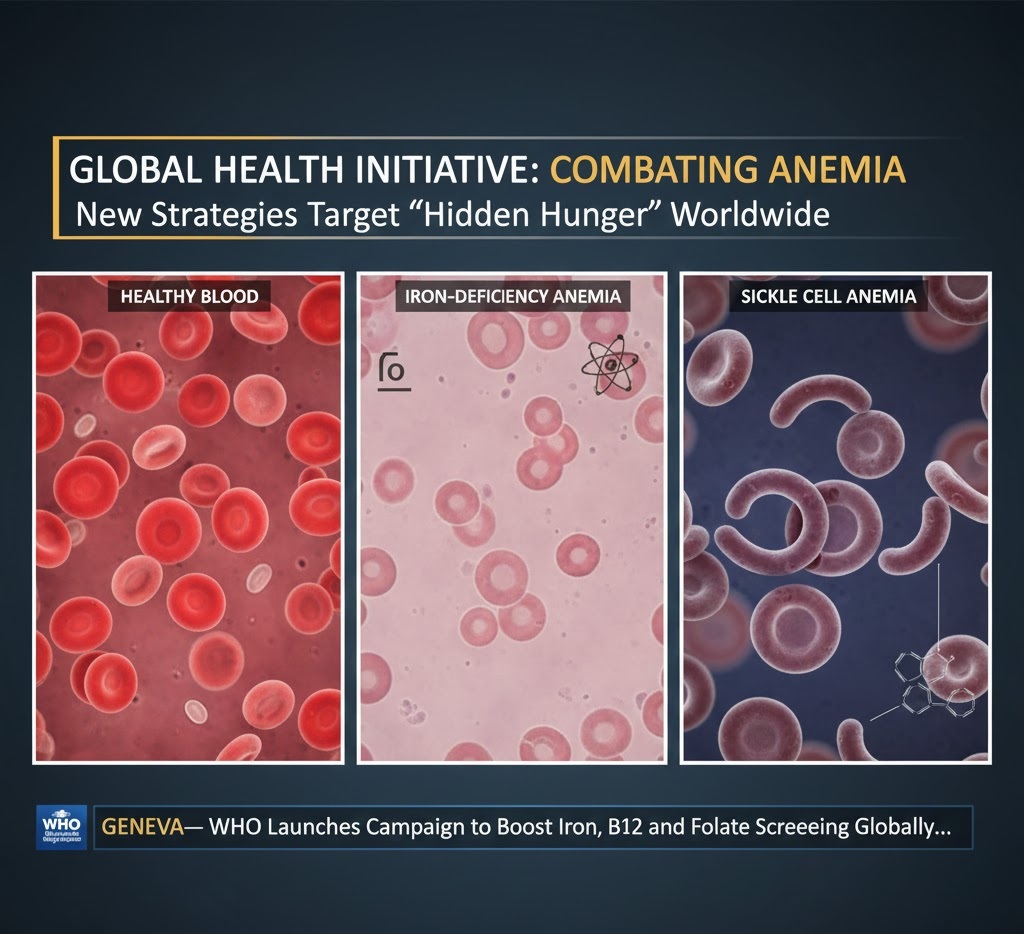
The World Health Organization (WHO) has launched a sweeping new initiative to combat iron-deficiency anemia, a condition often called “hidden hunger” that currently affects over two billion people worldwide. The campaign aims to bridge the gap between diagnosis and treatment, particularly in high-risk populations such as pregnant women, young children, and those with chronic gastrointestinal conditions.
The initiative highlights that while anemia is often associated with simple nutritional gaps, it is frequently a secondary signal for more serious underlying issues like internal ulcers, colon polyps, or inherited blood disorders such as thalassemia. By increasing global access to low-cost Complete Blood Count (CBC) testing and promoting the fortification of staple foods with iron, folic acid, and Vitamin B12, health officials hope to reduce the global fatigue crisis and improve maternal health outcomes.
“Anemia isn’t just about feeling tired; it’s a systemic oxygen crisis,” says Dr. Aris Thorne, a leading hematologist. “By identifying the root cause—whether it’s blood loss, lack of production, or cell destruction—we can provide targeted treatments that literally restore a patient’s vitality.”
New clinical guidelines released alongside the initiative also emphasize the importance of screening for G6PD deficiency and aplastic anemia, ensuring that genetic factors are not overlooked in routine primary care.
About the Author