Pharm'Up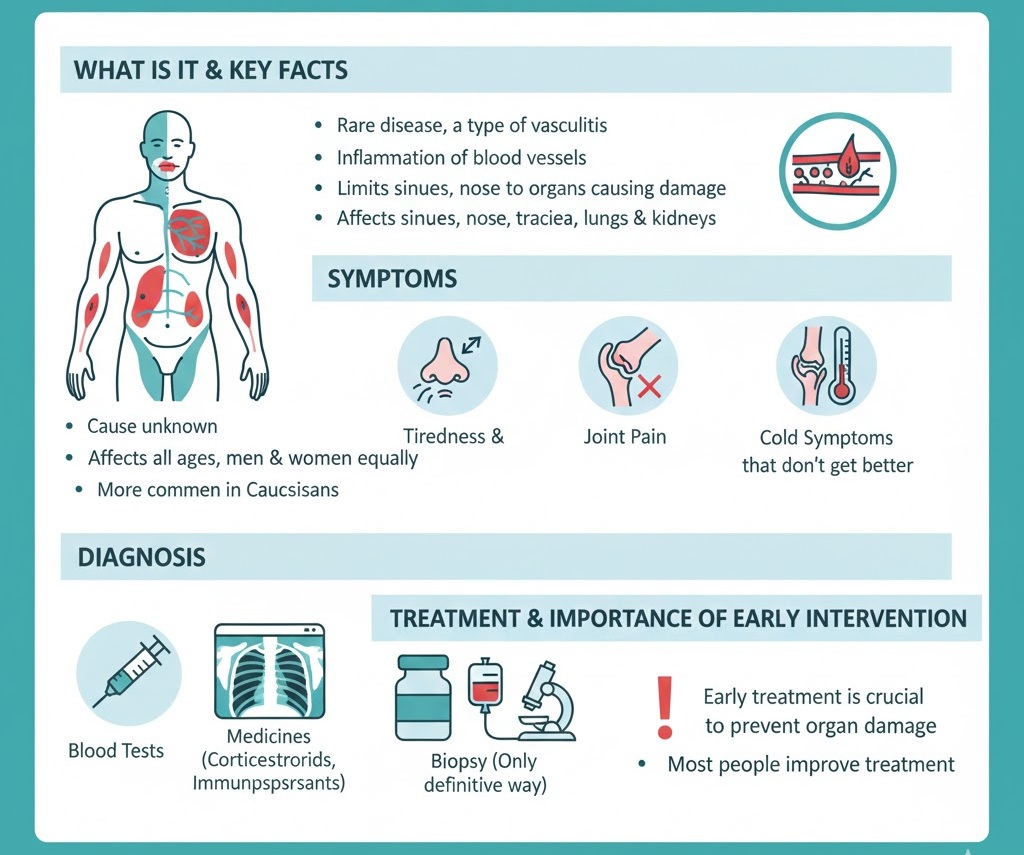
Granulomatosis with polyangiitis (GPA), formerly known as Wegener’s granulomatosis, is a rare, chronic disease characterized by vasculitis, which is the inflammation of your blood vessels. This inflammation restricts blood flow to vital organs, potentially causing permanent damage if left untreated.
Affected Organs
While GPA can affect any part of the body, it primarily targets the respiratory system and the kidneys:
- Upper Respiratory Tract: Sinuses, nose, and trachea (windpipe).
- Lungs: Often resulting in nodules or respiratory distress.
- Kidneys: Inflammation can lead to glomerulonephritis, which may impair kidney function.
Symptoms and Diagnosis
The cause of GPA remains unknown. It can strike at any age and affects men and women equally, though it is statistically more common in white populations.
Common Symptoms Include:
- Cold-like symptoms: A runny nose or sinus congestion that does not improve with standard treatments.
- General Malaise: Fatigue, weakness, and joint pain.
- Respiratory Issues: Shortness of breath or a persistent cough.
Diagnostic Tools: Because GPA symptoms can mimic other illnesses, doctors use a combination of tests to confirm a diagnosis:
- Blood Tests: To check for markers of inflammation and specific antibodies (like ANCA).
- Imaging: Chest X-rays or CT scans to look for lung involvement.
- Biopsy: Taking a small tissue sample to check for granulomas (clumps of immune cells) and inflamed vessels.
Treatment and Outlook
Early treatment is critical to preventing organ failure. Most patients respond well to medications designed to slow or stop the immune system’s inflammatory response. These typically include:
- Corticosteroids: To reduce immediate inflammation.
- Immunosuppressants: Long-term medications to keep the disease in remission.
With modern treatment, many people with GPA can lead full lives, though regular monitoring by a specialist (like a rheumatologist) is necessary to manage potential flare-ups.
About the Author