Pharm'Up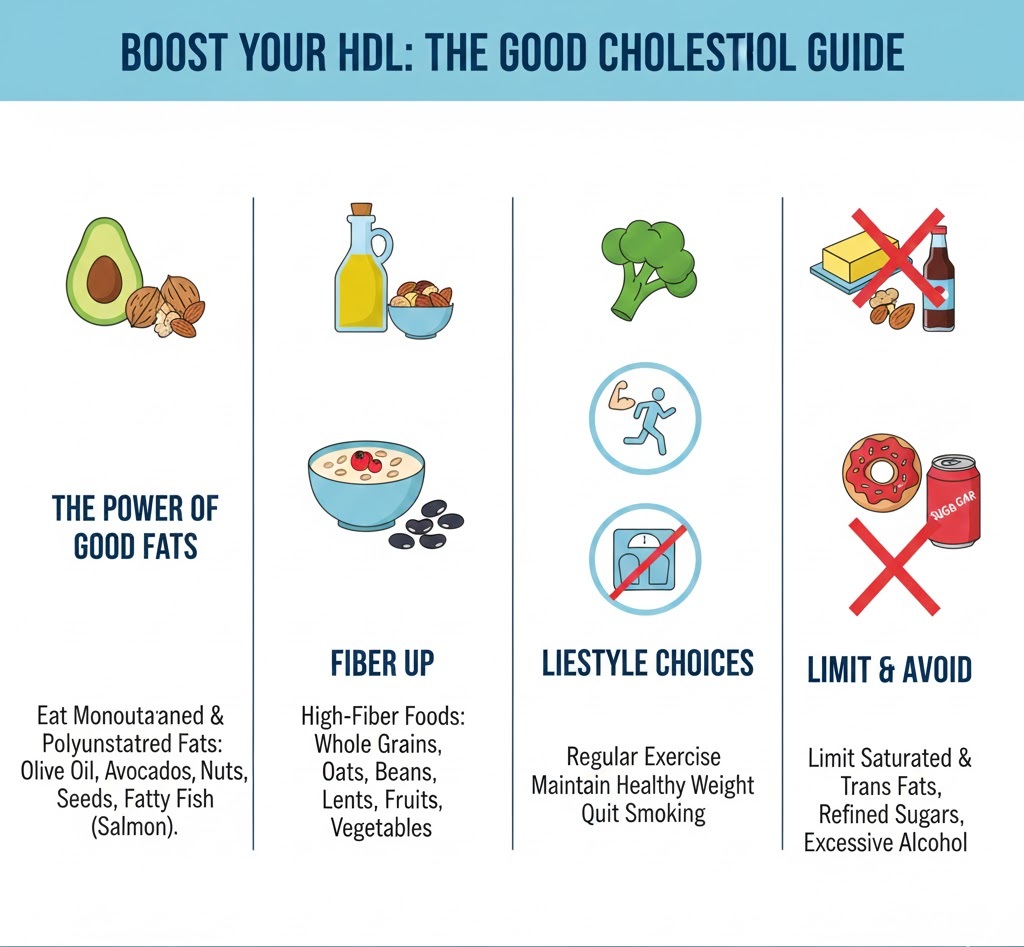
HDL stands for High-Density Lipoprotein. It is famously known as “good” cholesterol because it acts like a scavenger in your bloodstream. It collects excess cholesterol from your tissues and artery walls and carries it back to the liver, which then flushes it out of your body.
HDL vs. LDL: What’s the Difference?
Cholesterol cannot travel through the blood on its own; it needs to hitch a ride on proteins called lipoproteins.
- HDL (Good): High numbers are better. It protects your heart by preventing cholesterol buildup.
- LDL (Bad): High numbers are dangerous. Low-density lipoproteins deposit cholesterol in your arteries, leading to “plaque” that can cause heart attacks or strokes.
Target HDL Levels
When it comes to HDL, higher is better. A level of 60 mg/dL or higher is considered high and protective against heart disease.
| Group | Healthy HDL Level |
| Age 19 or younger | More than 45 mg/dL |
| Men (Age 20+) | More than 40 mg/dL |
| Women (Age 20+) | More than 50 mg/dL |
How to Boost Your “Good” Cholesterol
If your HDL levels are low, lifestyle changes are the first line of defense:
- Choose “Good” Fats: Swap saturated fats (butter, fatty meats) for unsaturated fats found in olive oil, avocados, and nuts. Avoid trans fats entirely.
- Get Moving: Regular aerobic exercise (30 minutes most days) is one of the most effective ways to raise HDL.
- Weight Management: Losing extra weight, particularly around the midsection, can significantly boost HDL.
- Quit Smoking: Smoking lowers HDL levels. Quitting can result in a rapid increase in your “good” cholesterol.
- Fiber-Rich Foods: Increase intake of oatmeal, beans, and lentils.
Factors That Lower HDL
Certain factors can unexpectedly drop your HDL levels, even if you are trying to be healthy:
- Medications: Beta-blockers (blood pressure), anabolic steroids, and certain sedatives (benzodiazepines).
- Uncontrolled Diabetes: High blood sugar can lower HDL and raise LDL.
- Refined Carbs: A diet very high in sugar and white flour can suppress HDL levels.
About the Author


 Pharm'Up