Pharm'Up
What is Ataxia-Telangiectasia?
Ataxia-Telangiectasia (A-T) is a rare, complex, and inherited disorder that affects several of the body’s primary systems simultaneously. It is primarily characterized by neurological decline and immune system deficiencies.
Unlike many degenerative conditions, A-T begins very early in life, with symptoms typically becoming noticeable in children before the age of 5.
Defining Symptoms
The name of the disease itself describes its two most distinctive clinical features:
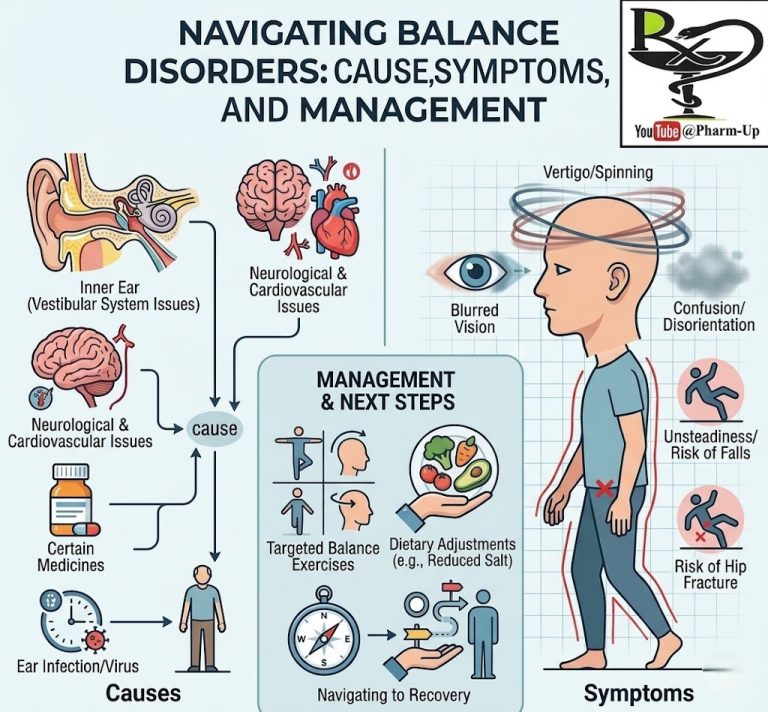
- Ataxia: Refers to the lack of muscle coordination. Children may appear “wobbly,” have poor balance, and eventually develop slurred speech (dysarthria).
- Telangiectasias: These are tiny, red “spider veins” caused by dilated blood vessels. They most commonly appear in the corners of the eyes or on the ears and cheeks when exposed to sunlight.
Impact on the Body and Health Risks
A-T is more than a movement disorder; it is a multisystem condition:
- Immune System: A weakened immune system leads to high susceptibility to recurrent lung infections.
- Development: Many children experience delayed physical growth and delayed sexual development.
- Cognition: Interestingly, while A-T affects the part of the brain that controls movement, most children maintain normal or high intelligence.
- Cancer & Diabetes Risk: The genetic mutation makes cells less able to repair DNA damage. This significantly increases the risk of developing diabetes and specific cancers, particularly lymphoma and leukemia.
Treatment and Long-Term Management
There is currently no cure for A-T, and the disease is progressive. Management focuses on slowing the impact of symptoms and protecting the patient from secondary illnesses:
- Immune Support: Injections of gamma globulin (IVIG) to help fight off severe infections.
- Therapies: Aggressive physical and speech therapy to maintain function and communication skills.
- Nutritional Support: High-dose vitamins and antioxidants are often used to support cellular health.
- Cancer Screening: Regular medical monitoring is essential for early detection of potential malignancies.
About the Author