Pharm'Up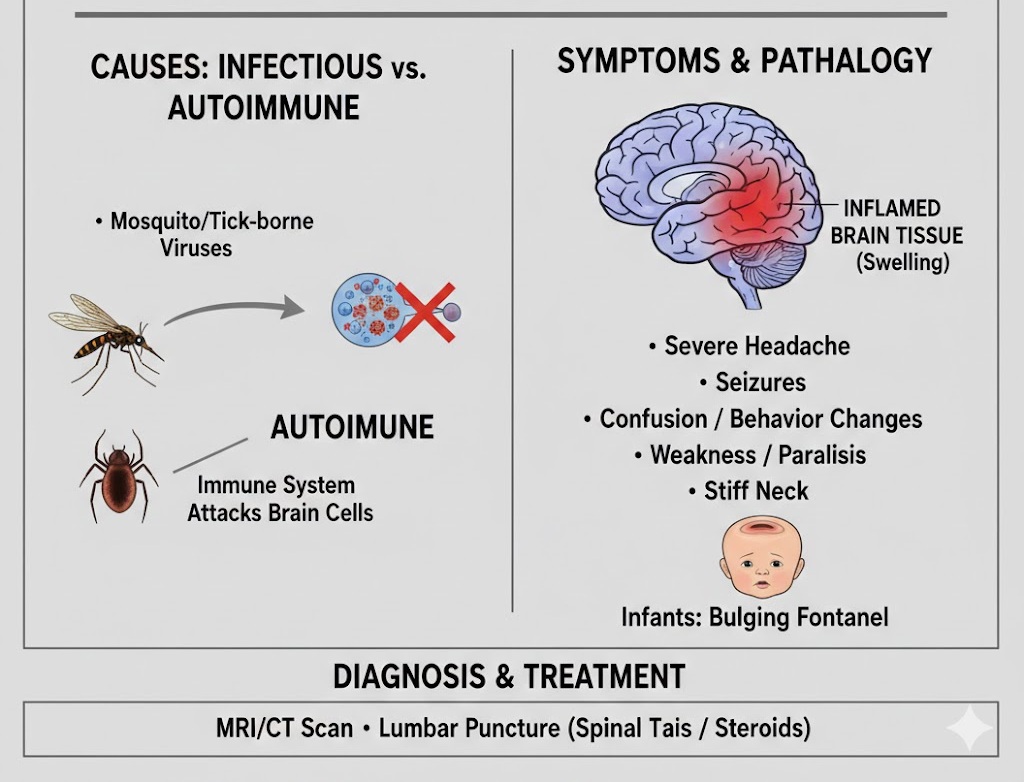
Encephalitis is a serious medical condition characterized by inflammation (swelling) of the brain tissue. It occurs when the immune system is activated—either by a foreign invader like a virus or by a mistake where the body attacks its own healthy brain cells.
The Two Primary Types
The treatment and outlook for encephalitis depend heavily on its origin:
- Infectious Encephalitis: The most common form, usually triggered by a virus.
- Common Viruses: Herpes simplex (HSV), Varicella-zoster (chickenpox), and Enteroviruses.
- Vector-Borne: Transmitted via mosquito bites (West Nile, Zika) or tick bites (Powassan).
- Autoimmune Encephalitis: Occurs when the body’s immune system mistakenly produces antibodies that attack the brain. This can be triggered by hidden tumors or previous infections.
Recognizing the Symptoms
Symptoms can range from mild “flu-like” sensations to life-threatening neurological emergencies.
- Mild/Early Signs: Fever, headache, fatigue, and muscle aches.
- Severe Neurological Signs: * Seizures and sudden behavior changes.
- Physical Weakness or partial paralysis.
- Altered Consciousness: Extreme drowsiness, confusion, or coma.
- In Infants: Look for a bulging fontanel (the soft spot on the head), unusual irritability, or poor feeding.
Diagnosis and Critical Care
Because encephalitis can lead to permanent brain damage or stroke, rapid diagnosis is essential.
Diagnostic Tools:
- Brain Imaging (MRI/CT): To visualize swelling or rule out tumors.
- Lumbar Puncture (Spinal Tap): To analyze cerebrospinal fluid (CSF) for signs of infection or specific antibodies.
- EEG: To monitor abnormal electrical activity in the brain.
Treatment: Patients typically require hospitalization. Treatments may include antiviral medications (like Acyclovir for Herpes), corticosteroids to reduce swelling, or immune-modulating therapies for autoimmune cases. Supportive care—including fluids and respiratory support—is vital during the recovery phase.
Prevention Tips
- Vaccination: Stay up to date on vaccines for measles, mumps, and rubella.
- Pest Control: Use DEET-based repellents and wear long sleeves in areas prone to mosquitoes and ticks.
- Hygiene: Frequent handwashing helps prevent the spread of common viruses.
About the Author