Pharm'Up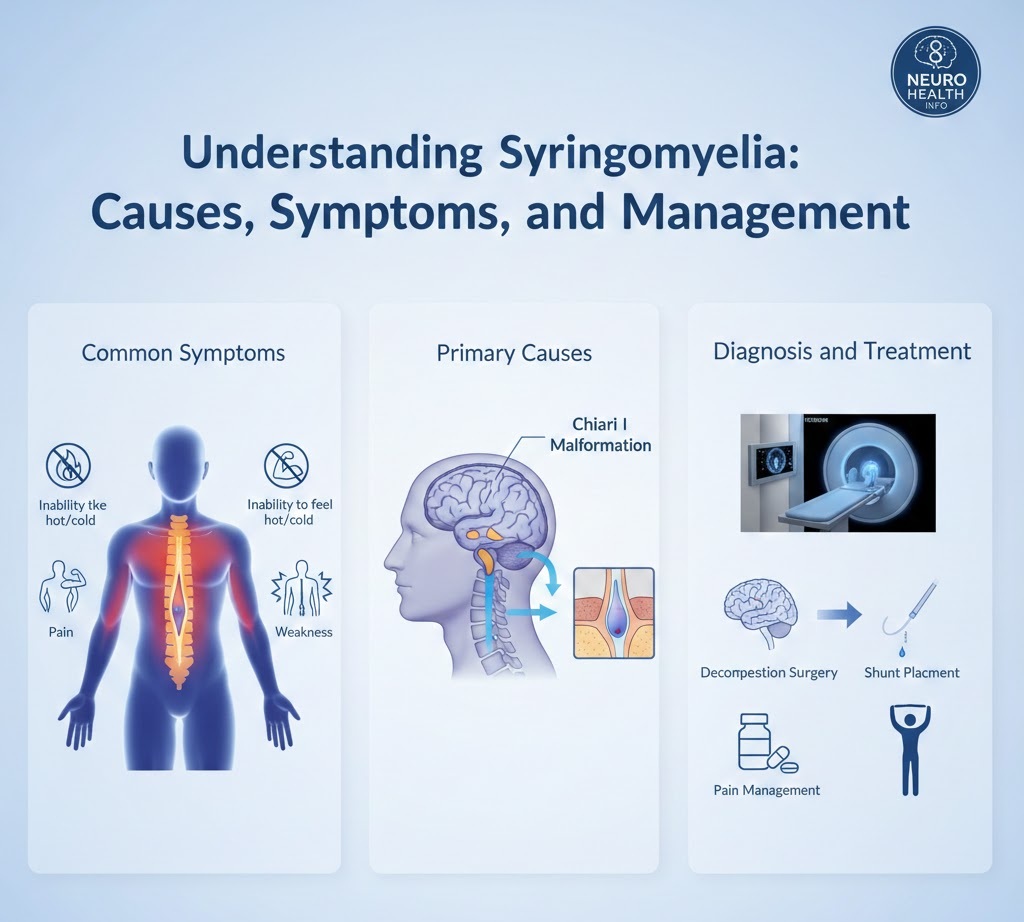
Syringomyelia is a rare neurological disorder characterized by the development of a fluid-filled cyst, known as a syrinx, within the spinal cord. Over time, this cyst can expand and elongate, compressing and damaging the vital nerve fibers that transmit signals between the brain and the rest of the body.
Common Symptoms
Because the spinal cord controls so many functions, symptoms are often diverse and depend entirely on the syrinx’s location. They typically emerge between ages 25 and 40 and may include:
- Sensory Changes: Loss of the ability to feel hot or cold (often first noticed in the hands).
- Muscle Issues: Weakness, wasting (atrophy), and loss of reflexes, particularly in the arms and shoulders.
- Chronic Pain: Sharp or aching pain in the back, neck, and limbs.
- Autonomic Issues: In severe cases, it can affect bowel and bladder function or cause headaches.
Primary Causes
The development of a syrinx is almost always linked to a disruption in the normal flow of cerebrospinal fluid (CSF).
- Chiari I Malformation: The most frequent cause. This occurs when the lower part of the brain (cerebellum) extends into the spinal canal, creating a “plug” that forces fluid into the cord.
- Spinal Trauma: Symptoms may develop months or even years after a significant back injury.
- Secondary Factors: Spinal cord tumors, meningitis, or tethered cord syndrome can also trigger cyst formation.
Diagnosis and Treatment Pathways
The gold standard for diagnosis is an MRI (Magnetic Resonance Imaging) of the spine and brain to visualize the size of the syrinx and check for a Chiari malformation.
- Observation: If the syrinx is found incidentally and causes no symptoms, a neurologist may recommend regular monitoring without immediate intervention.
- Surgery: The goal is to restore normal CSF flow. This may involve decompression surgery (creating more space at the base of the skull) or the placement of a shunt to drain the fluid from the cyst.
- Pain Management: Medications and physical therapy are often used to manage nerve pain and maintain muscle strength.
About the Author