Pharm'Up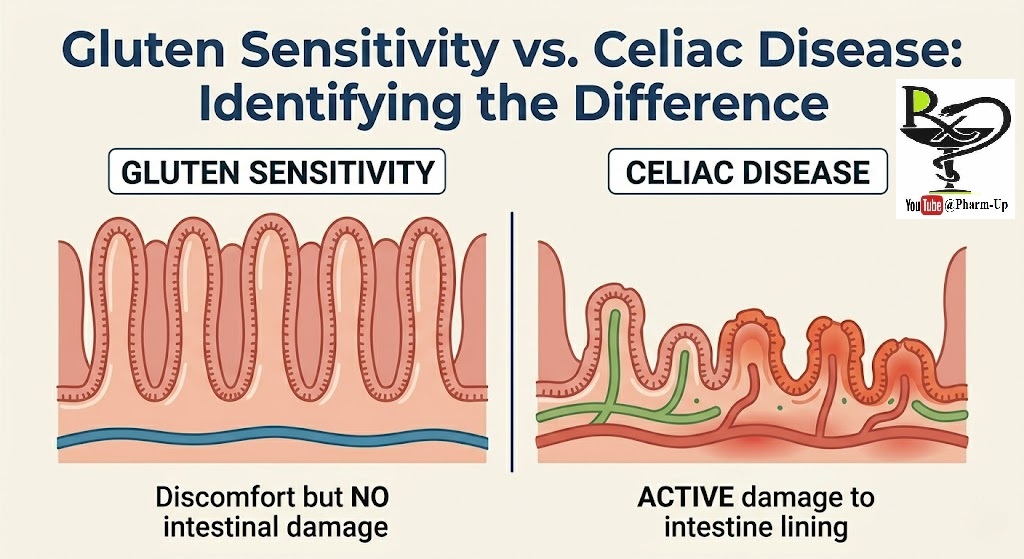
Gluten is a protein found in wheat, rye, and barley. While it is mostly found in food, it can also be a hidden ingredient in medicines, vitamins, and supplements. For those who experience issues after eating gluten, it is important to distinguish between sensitivity, celiac disease, and allergies.
Comparing the Conditions
- Gluten Sensitivity: Often called non-celiac gluten sensitivity, it causes discomfort but does not damage the small intestine.
- Celiac Disease: An autoimmune condition where gluten consumption causes active damage to the lining of the small intestine.
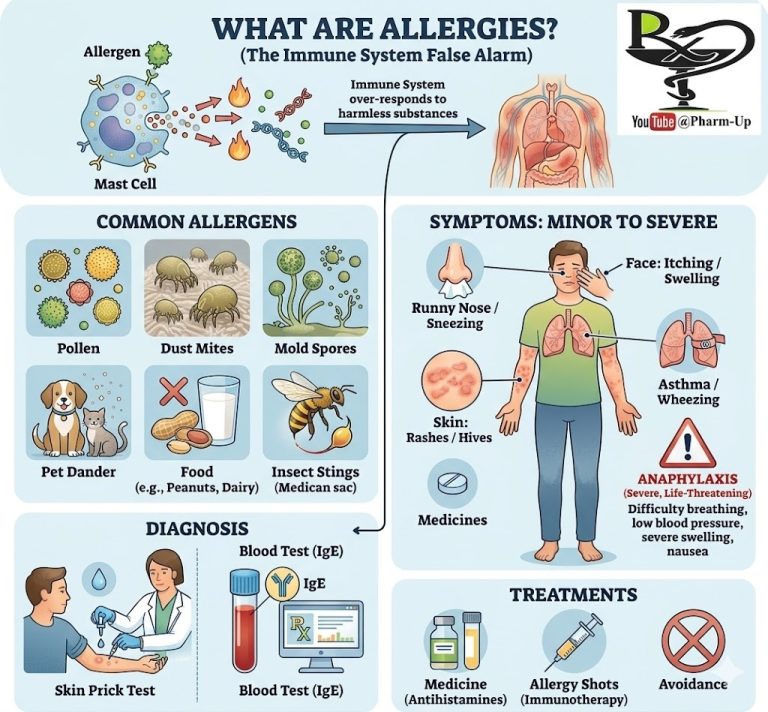
- Wheat Allergy: A traditional food allergy that can cause unique symptoms like itchy eyes or trouble breathing, without damaging the digestive tract.
Common Symptoms
Both gluten sensitivity and celiac disease share several symptoms, making professional diagnosis essential:
- Digestive Issues: Abdominal pain, gas, diarrhea, and constipation.
- Systemic Issues: Chronic fatigue, headaches, joint pain, and skin rashes.
Diagnosis and Management
If a healthcare provider suspects a gluten-related issue, they will typically follow these steps:
- Screening: You must be tested for celiac disease via blood tests or biopsies before starting a gluten-free diet to ensure accuracy.
- Dietary Trial: If celiac disease is ruled out, you may be advised to stop eating gluten to see if symptoms improve.
- Nutritional Maintenance: While a gluten-free diet usually resolves symptoms, it is vital to work with a dietitian to ensure you receive adequate fiber, vitamins, and minerals.
About the Author


 Pharm'Up