Polymeric Nanomedicines Reprogram the Tumor Microenvironment to Turn Cold Tumors Hot
 Pharm'Up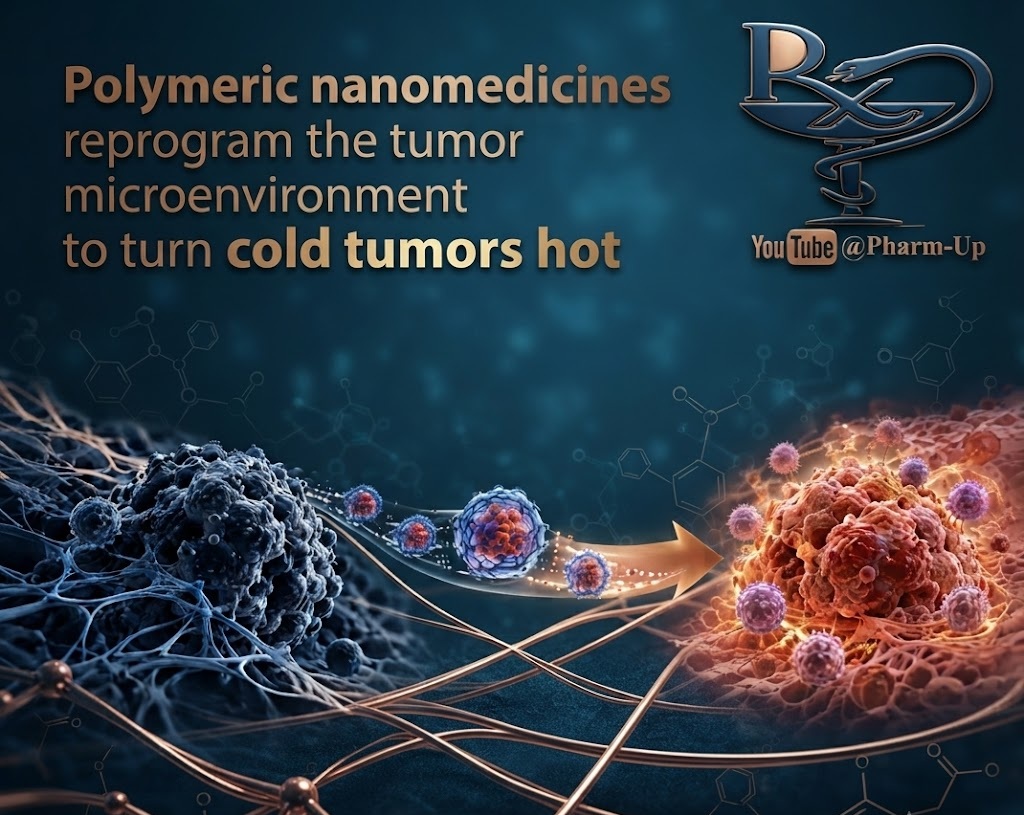
A comprehensive review published in the Chinese Journal of Polymer Science highlights how advanced polymeric nanomedicines are revolutionizing cancer immunotherapy by systematically remodeling the tumor microenvironment (TME) to transform immunosuppressive “cold” tumors into immune-responsive “hot” states.
Key Highlights of Polymeric TME Regulation
- Multi-Dimensional Strategies: The review details how smart polymeric carriers target the TME across three core dimensions:
- Cellular Components: Delivering therapeutic payloads (such as mRNA, siRNA, and targeted drugs) to reprogram tumor-associated macrophages (TAMs), deplete MDSCs, inhibit Tregs, and inactivate cancer-associated fibroblasts (CAFs).
- Physical Barriers: Remodeling the dense extracellular matrix (ECM) using hyaluronidase and photothermal treatments while normalizing abnormal tumor vasculature.
- Biochemical Signaling: Reversing immunosuppression by modulating cytokines, regulating tumor metabolism (such as depleting lactate and glucose), and scavenging glutathione (GSH).
- “Cocktail” Platforms & Theranostics: Advanced nanoplatforms co-deliver chemotherapeutics, genetic material, and immune checkpoint inhibitors simultaneously. Furthermore, integrated non-invasive imaging modalities—including NIR-II fluorescence, MRI, ultrasound, and urine-based reporters—enable real-time tracking of immune status and treatment response.
- Overcoming Clinical Hurdles: While these platforms offer immense translational potential by enhancing the efficacy of checkpoint inhibitors and cancer vaccines, researchers emphasize the need to address carrier immunogenicity, long-term toxicity, PEGylation-related clearance (ABC phenomenon), and large-scale manufacturing consistency.
About the Author