Mastering Hypertension: A Guide to Managing High Blood Pressure through Lifestyle and Medicine
 Pharm'Up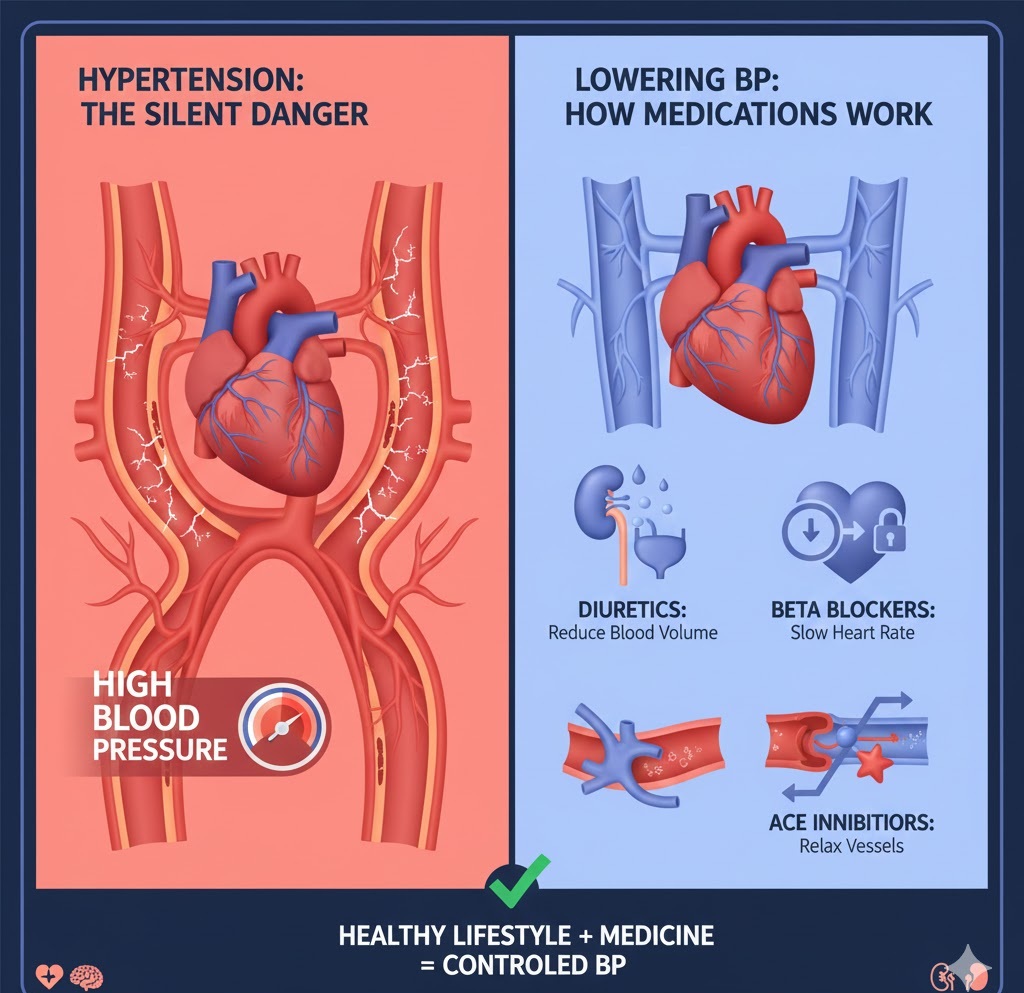
High blood pressure, medically known as hypertension, occurs when the force of blood pushing against your artery walls is consistently too high. Often called the “silent killer,” it affects nearly half of all adults—many of whom have no visible symptoms. Left untreated, the constant pressure damages vessels and organs, leading to life-threatening conditions like stroke, heart attack, heart failure, and kidney disease.
First Line of Defense: Lifestyle Modifications
Before or alongside medication, doctors recommend critical lifestyle shifts to naturally decrease the workload on your heart:
- Weight Management: Reducing body weight is one of the most effective ways to lower pressure.
- Sodium Reduction: Cutting back on salt helps prevent fluid retention.
- Physical Activity: Regular exercise strengthens the heart, allowing it to pump blood with less effort.
- Stress Control: Chronic stress keeps the body in a high-pressure state; management techniques are vital.
- Quality Sleep: Poor sleep is closely linked to increased hypertension risk.
- Eliminating Toxins: Avoiding tobacco, excessive alcohol, and illegal drugs protects vessel elasticity.
Understanding Blood Pressure Medications
When lifestyle changes aren’t enough, healthcare providers use various classes of drugs to target the biological causes of high pressure.
| Medication Class | Primary Mechanism of Action | Result |
| ACE Inhibitors & ARBs | Block chemicals that cause blood vessels to tighten. | Vessels stay wider/relaxed. |
| Calcium Channel Blockers | Prevent calcium from entering heart and vessel muscle cells. | Relaxes blood vessels. |
| Diuretics (Water Pills) | Flush excess sodium and water from the body via urine. | Lowers total blood volume. |
| Beta Blockers | Signal the heart to beat slower and with less force. | Reduces the amount of blood pumped. |
Note: Many patients require a combination of two or more of these medicines to reach their target blood pressure. Using medicine does not replace the need for a healthy diet; the two work better together.
How Different Meds Affect the Body
- ACE Inhibitors/ARBs: These focus on the “pipes” of the circulatory system, ensuring they don’t narrow and create resistance.
- Diuretics: These focus on the “fluid” inside the pipes. By reducing the volume of fluid, there is less pressure against the walls.
- Beta Blockers: These focus on the “pump” (the heart). By slowing the pump, the entire system experiences less stress.
About the Author


 Pharm'Up