Pharm'Up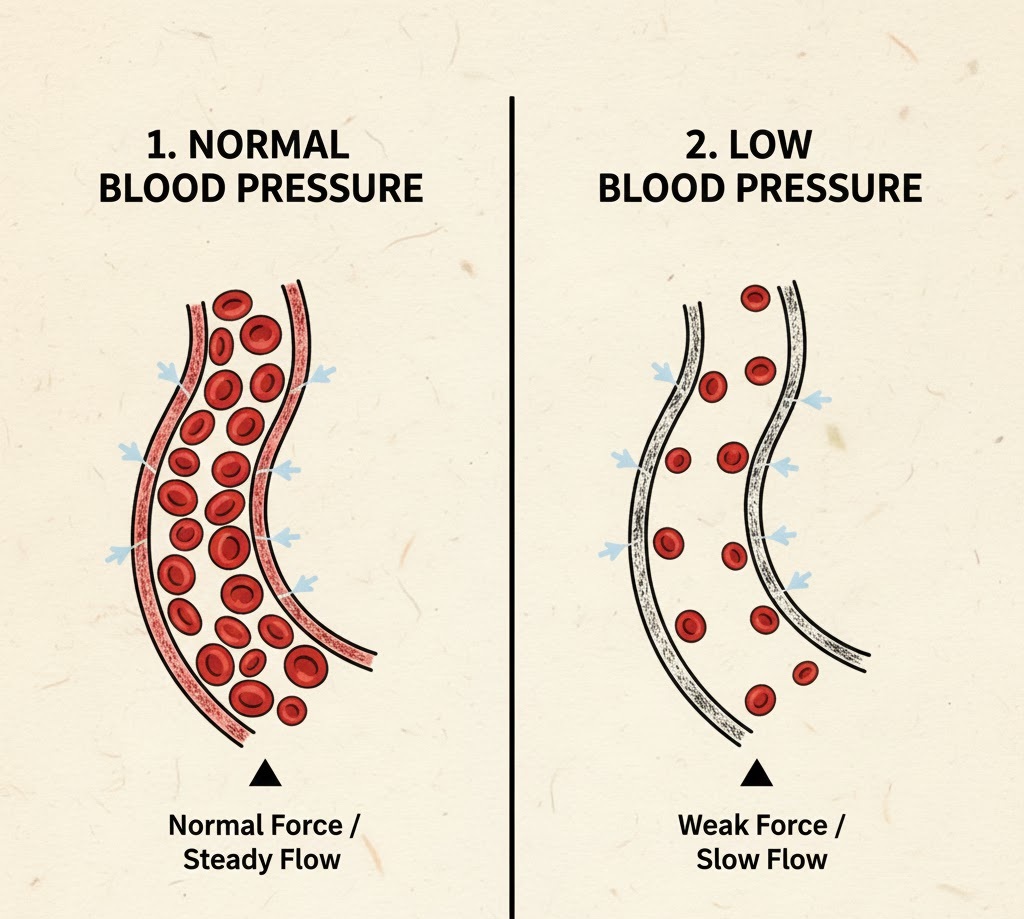
While high blood pressure (hypertension) often gets the most attention, blood pressure that is too low—a condition known as hypotension—can also impact your well-being.
Defining the Numbers
Blood pressure is measured by the force of blood against your artery walls. It is recorded using two numbers:
- Systolic (Top Number): The pressure when your heart beats.
- Diastolic (Bottom Number): The pressure when your heart rests between beats.
A reading is generally considered low blood pressure if it is 90/60 mmHg or lower.
When is Low Blood Pressure a Problem?
For many people, a low reading is simply their “normal” and is actually a sign of excellent cardiovascular health, especially in athletes. However, it becomes a medical concern if it leads to inadequate blood flow to the brain and other vital organs.
Common Symptoms
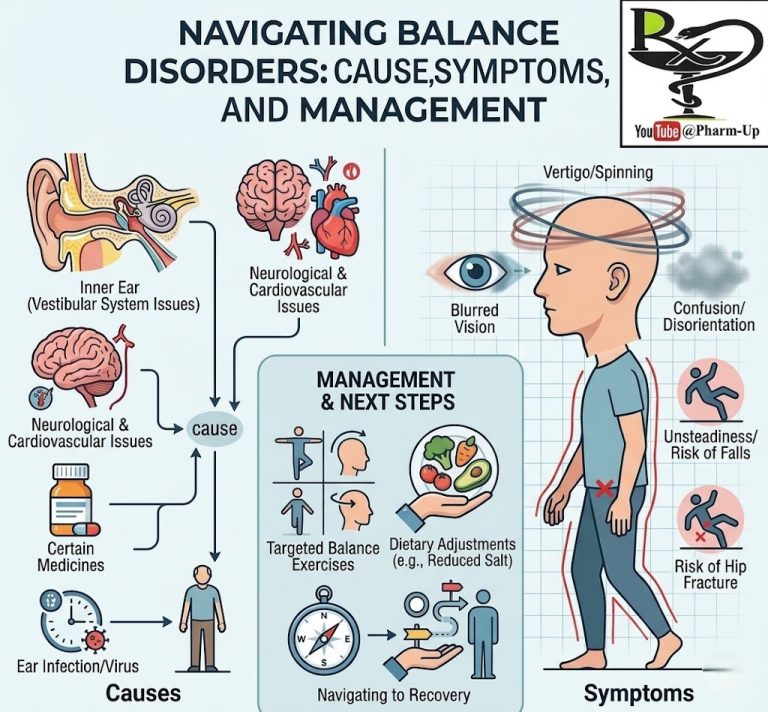
- Dizziness or Lightheadedness: Often felt when changing positions.
- Fainting (Syncope): A sudden, temporary loss of consciousness.
- Blurred Vision: Difficulty focusing due to decreased blood flow.
- Fatigue or Lack of Concentration: Feeling sluggish or “foggy.”
- Shock: In extreme cases, blood pressure drops so low that organs begin to fail. This is a life-threatening emergency.
Postural Hypotension
One of the most common forms of low blood pressure is orthostatic hypotension. This occurs when your blood pressure drops suddenly as you stand up from a sitting or lying position. Gravity causes blood to pool in your legs, and if your body doesn’t adjust quickly enough, you may feel a brief “head rush” or dizzy spell.
Causes and Triggers
If your low blood pressure isn’t “normal” for you, it might be caused by:
- Dehydration: Losing more fluid than you take in reduces blood volume.
- Medications: Certain drugs for high blood pressure, heart conditions, or depression can lower pressure too much.
- Heart Problems: Extremely low heart rates or valve problems.
- Endocrine Issues: Thyroid conditions or low blood sugar.
- Severe Infection or Allergic Reaction: Conditions like sepsis or anaphylaxis cause a dangerous drop in pressure.
About the Author