Pharm'Up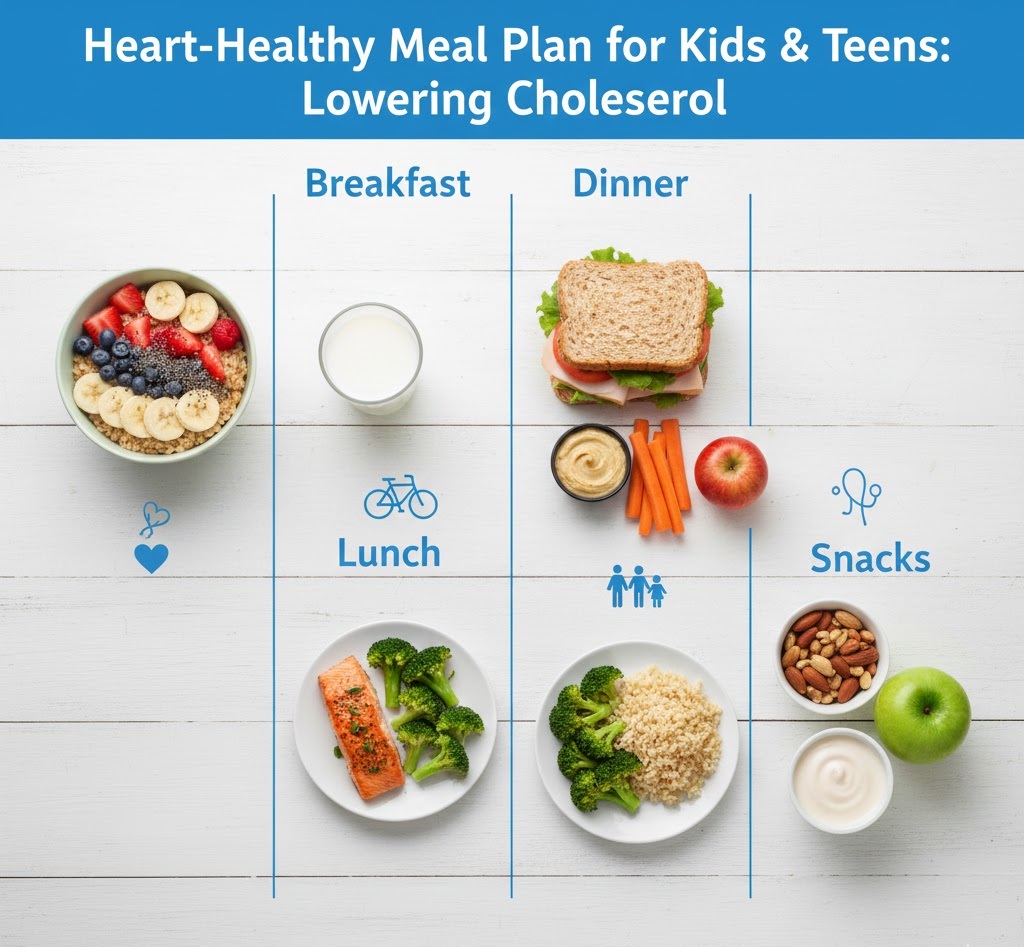
High cholesterol is not just an adult health issue. In children and adolescents, too much cholesterol in the blood can begin the lifelong process of atherosclerosis, where waxy plaque builds up on the inner walls of the arteries. Because this process often starts in childhood, early detection is key to preventing heart disease later in life.
Understanding the Numbers
A cholesterol test (lipid panel) measures several types of fats in your child’s blood. For those aged 19 or younger, the targets are stricter than for adults:
| Type of Cholesterol | Healthy Level | Why it Matters |
| Total Cholesterol | Less than 170 mg/dL | The sum of all cholesterol in the blood. |
| LDL (Bad) | Less than 110 mg/dL | The main source of artery-clogging buildup. |
| HDL (Good) | More than 45 mg/dL | Helps “scavenge” and remove bad cholesterol. |
| Non-HDL | Less than 120 mg/dL | Total cholesterol minus the “good” HDL. |
Causes and Risk Factors
High cholesterol in youth is usually driven by three primary factors:
- Diet and Lifestyle: High intake of saturated fats (found in fatty meats and full-fat dairy) and added sugars, combined with physical inactivity.
- Genetics: Familial Hypercholesterolemia (FH) is an inherited condition that causes dangerously high cholesterol regardless of diet or exercise.
- Medical Conditions: Obesity, Type 2 diabetes, kidney disease, or thyroid issues can also spike levels.
When to Get Tested
Since high cholesterol has no symptoms, blood tests are the only way to know if a child is at risk.
- Ages 9 to 11: Every child should have their first routine screening during this window.
- Every 5 Years: Routine follow-up testing should occur throughout adolescence.
- As early as Age 2: If there is a family history of high cholesterol, early heart attacks, or strokes.
Treatment: A Family Approach
Lifestyle changes are the first line of defense. The most successful results happen when the entire family adopts these habits together:
- Heart-Healthy Eating: Focus on fruits, vegetables, and whole grains. Swap saturated fats (butter, lard) for unsaturated fats (olive oil, avocados).
- Increase Activity: Aim for 60 minutes of physical activity daily and set limits on “screen time” (phones, gaming, and TV).
- Weight Management: If a child has obesity, healthy growth-focused weight management can significantly lower LDL.
Medication: If LDL remains above 190 mg/dL (or 160 mg/dL with other risk factors) after six months of lifestyle changes, a doctor may prescribe medication for children age 10 or older.
About the Author


 Pharm'Up