Pharm'Up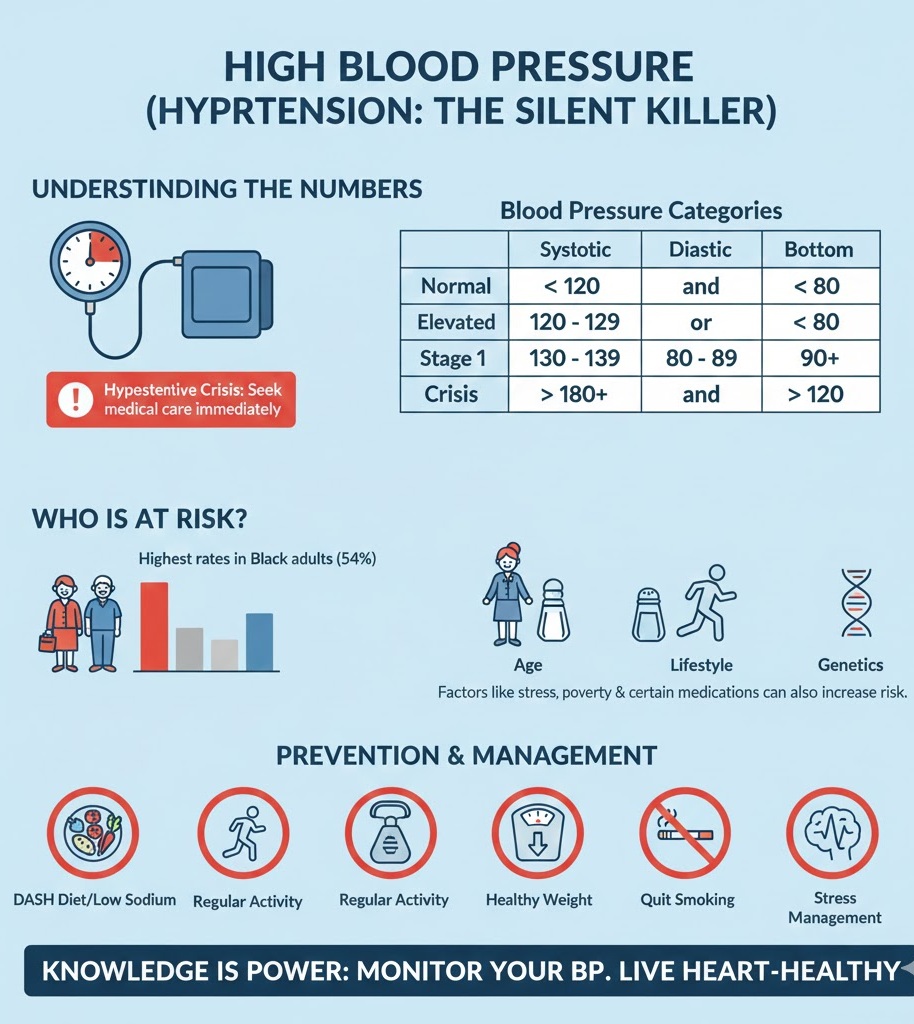
High blood pressure, or hypertension, affects nearly 50% of American adults. It is often called the “silent killer” because it typically has no outward symptoms while it gradually damages your arteries and heart. If left unmanaged, it is a leading cause of heart attack, stroke, and kidney disease.
Understanding the Numbers
Blood pressure is the force of blood pushing against your artery walls. It is recorded using two numbers measured in millimeters of mercury (mmHg).
- Systolic ($1^{st}$ number): Pressure when the heart beats.
- Diastolic ($2^{nd}$ number): Pressure when the heart rests between beats.
| Category | Systolic (Top) | Diastolic (Bottom) | |
| Normal | Less than 120 | and | Less than 80 |
| Elevated | 120 – 129 | and | Less than 80 |
| Hypertension Stage 1 | 130 – 139 | or | 80 – 89 |
| Hypertension Stage 2 | 140 or higher | or | 90 or higher |
| Hypertensive Crisis | Higher than 180 | and | Higher than 120 |
Note: A Hypertensive Crisis is a medical emergency. If your numbers reach 180/120, seek medical care immediately.
Who is at Risk?
While anyone can develop hypertension, statistics show higher prevalence in certain groups:
- Race/Ethnicity: Black adults in the U.S. have the highest rates of hypertension globally (about 54%), often developing it earlier in life and facing more severe complications.
- Age: Risk increases as you get older; however, children and teens can also be diagnosed.
- Lifestyle Factors: High sodium (salt) intake, low potassium, lack of exercise, and heavy alcohol consumption.
- External Stressors: Factors like poverty, discrimination, and childhood trauma are linked to chronic high blood pressure.
- Medications: Common items like decongestants, birth control pills, and NSAIDs (pain relievers like ibuprofen) can raise readings.
Prevention and Management
The good news is that high blood pressure is highly manageable through lifestyle changes and, when necessary, medication.
- The DASH Diet: A specific eating plan high in fruits, vegetables, and whole grains while strictly limiting salt.
- Potassium Intake: Increasing potassium (found in bananas, spinach, and beans) helps the body balance sodium levels.
- Physical Activity: Aim for at least 150 minutes of moderate activity per week.
- Weight Control: Even losing a small amount of weight can significantly lower blood pressure.
- Stress Management: Techniques like meditation and deep breathing help prevent temporary spikes from becoming chronic.
About the Author


 Pharm'Up