Pharm'Up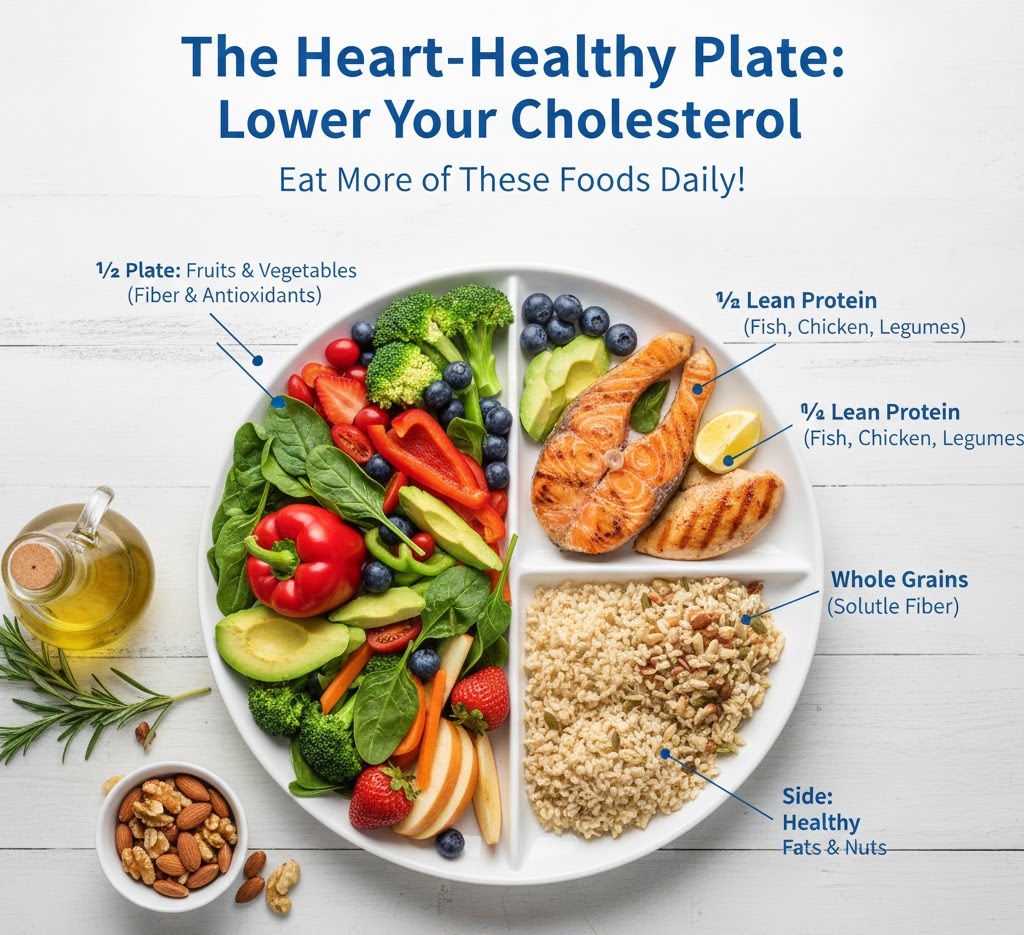
Maintaining healthy cholesterol levels is a cornerstone of cardiovascular health. By reducing LDL (bad) cholesterol and increasing HDL (good) cholesterol, you can prevent plaque from narrowing your arteries and significantly lower your risk of heart disease.
1. Heart-Healthy Lifestyle Changes
For many, lifestyle adjustments are the first and most effective line of defense.
- Heart-Healthy Eating: Focus on the DASH or Therapeutic Lifestyle Changes (TLC) diets.
- Reduce: Saturated fats (fatty meats, butter) and trans fats (processed snacks).
- Increase: Soluble fiber (oats, beans), fruits, vegetables, and lean proteins.
- Physical Activity: Regular exercise helps raise “good” HDL and lower “bad” LDL. Aim for at least 150 minutes of moderate activity per week.
- Weight Management: Losing even a small amount of weight can improve your lipid profile, especially if you have metabolic syndrome.
- Quality Sleep: Aim for 7 to 9 hours of sleep. Poor sleep is linked to higher total cholesterol.
- Stress Management: Chronic stress can negatively impact cholesterol levels. Practice relaxation techniques like meditation or deep breathing.
- Quitting Smoking: Smoking lowers your HDL. Quitting can raise your HDL, which in turn helps clear LDL from your system.
2. Medications and Medical Procedures
When lifestyle changes aren’t enough, medical intervention may be necessary:
- Cholesterol Medicines: Statins are the most common, but other drugs exist to block cholesterol absorption or help the liver clear it more effectively.
- Lipoprotein Apheresis: A specialized treatment for people with Familial Hypercholesterolemia (FH). A machine filters LDL cholesterol directly from the blood, similar to dialysis.
3. Supplements: What Works?
While many supplements claim to lower cholesterol, only a few are backed by significant research:
| Supplement | Effect | Note |
| Plant Stanols/Sterols | Effective | Best taken with meals to block cholesterol absorption. |
| Soy Products | Mild | Eating soy foods is more effective than taking soy supplements. |
| Flaxseed | Moderate | Use whole flaxseed; flaxseed oil does not have the same effect. |
| Garlic | Minimal | Has a very small effect compared to prescription medications. |
Caution: Always consult your healthcare provider before starting supplements, as they can interact with other medications.
About the Author




 Pharm'Up