Pharm'Up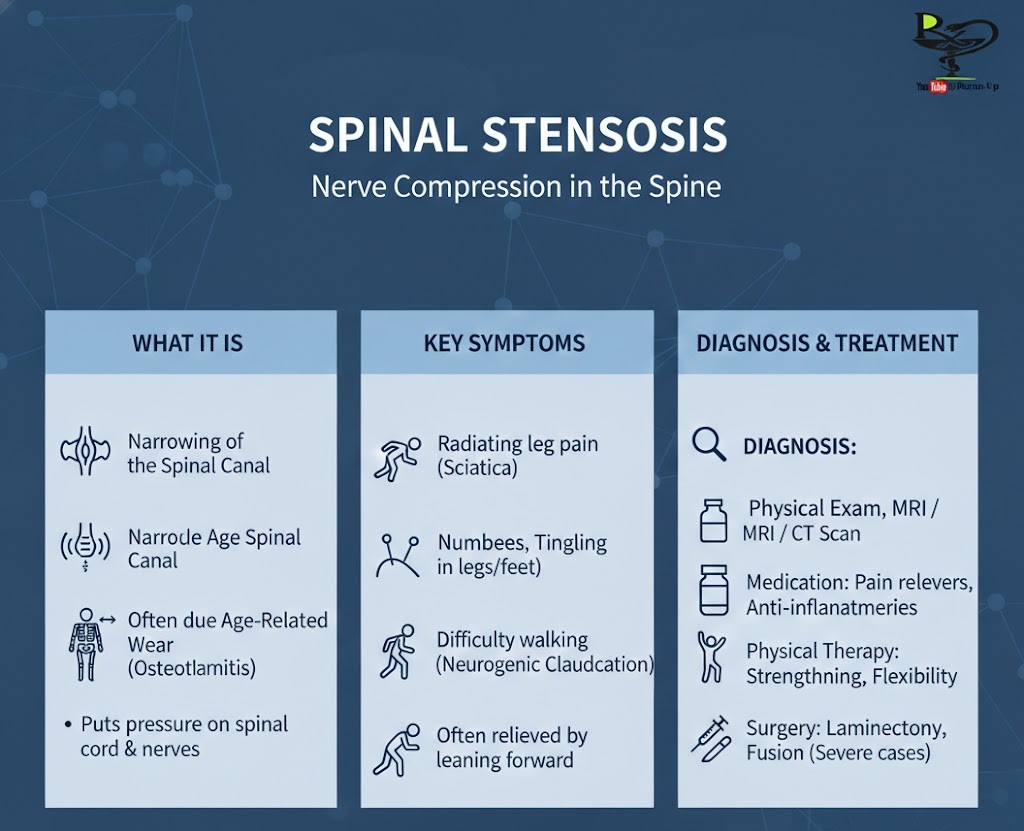
Spinal Stenosis is a medical condition where the spaces within your spine narrow. This narrowing creates a “tight fit” for the spinal cord and the nerves that branch out from it, leading to irritation, compression, and pain.
What Causes the Narrowing?
While some people are born with a naturally narrow spinal canal, most cases develop over time due to:
- Aging & Wear: The most common factor, typically affecting adults over age 50.
- Osteoarthritis: Bone spurs can grow into the spinal canal.
- Herniated Disks: The soft cushions between vertebrae can crack and leak material that presses on the nerves.
- Secondary Conditions: Other spinal issues like Scoliosis or previous spine injuries can also trigger stenosis.
Common Symptoms
Symptoms often start slowly and worsen over time. Depending on where the narrowing occurs, you might feel:
- In the Neck (Cervical): Numbness, weakness, or tingling in a hand, arm, foot, or leg.
- In the Lower Back (Lumbar): Pain or cramping in one or both legs when you stand for long periods or walk, which usually eases when you bend forward or sit.
- Radiating Pain: A sharp pain that travels down the leg (often referred to as Sciatica).
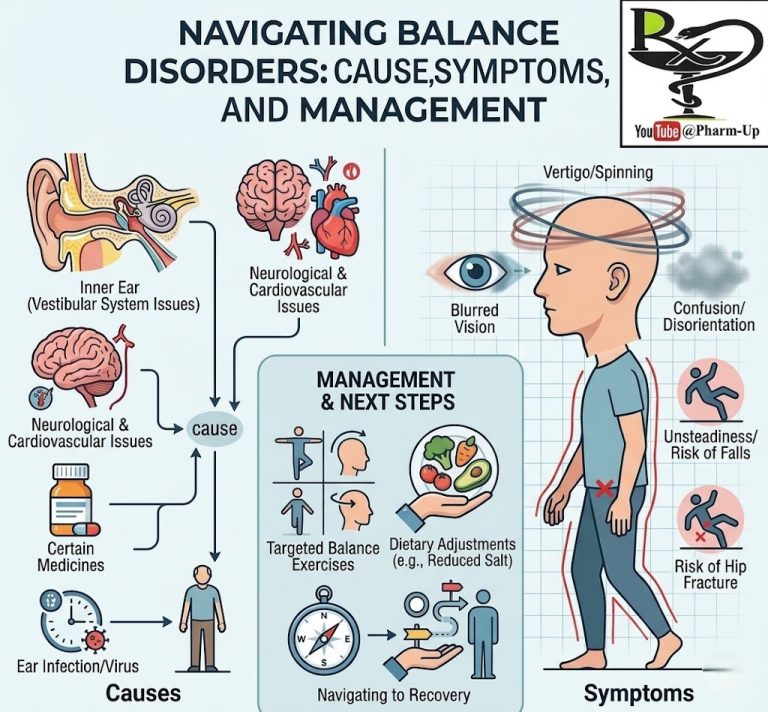
- Foot Problems: Difficulty with balance or a feeling of “heavy” legs.
Diagnosis and Recovery
Diagnosis
To “see” the narrowing, doctors rely on:
- Physical Examination: Checking your movements and nerve reflexes.
- Imaging: MRI or CT scans provide a detailed view of the spinal canal and nerve roots to pinpoint the compression.
Treatment Options
The goal is to relieve pressure on the nerves and restore mobility:
- Physical Therapy: Exercises to strengthen the back and abdominal muscles to support the spine.
- Medications: Pain relievers and anti-inflammatories to reduce swelling.
- Steroid Injections: To reduce inflammation around the “pinched” nerve.
- Decompression Surgery: In severe cases, a surgeon may remove a small portion of bone (Laminectomy) to create more room for the nerves.
About the Author