Pharm'Up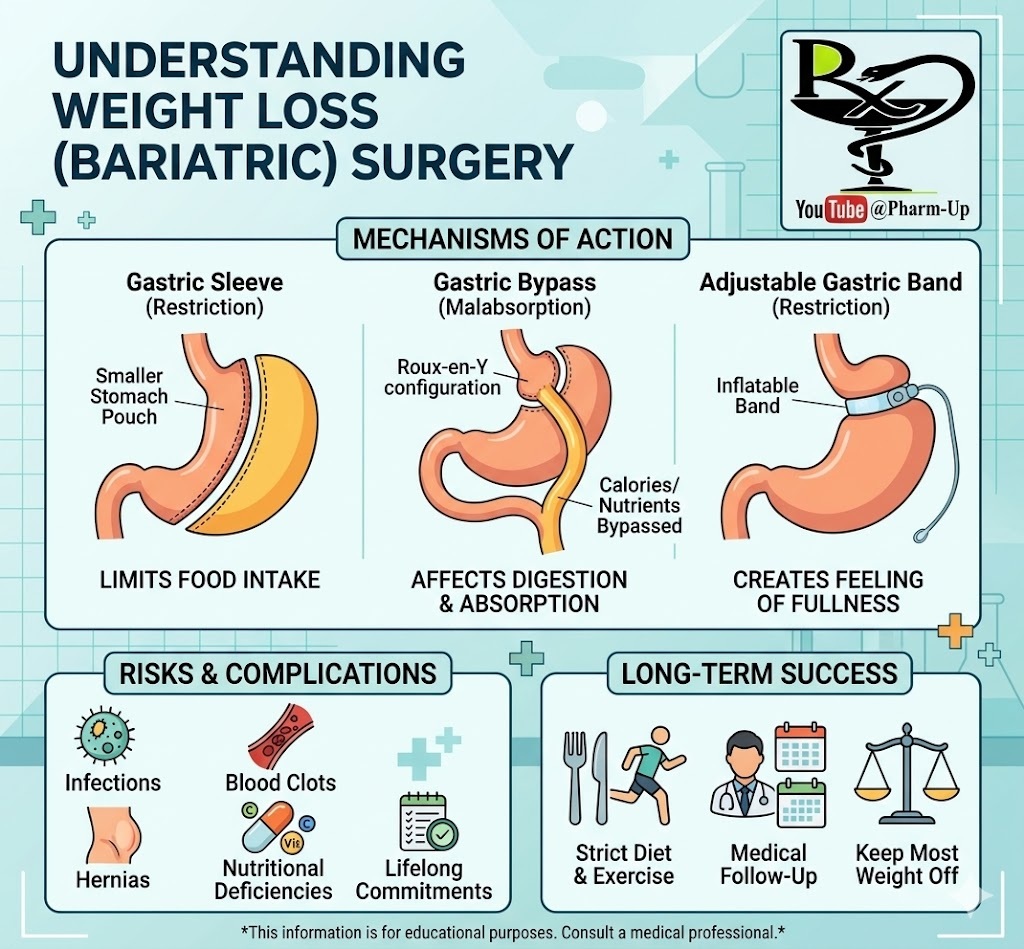
Weight loss surgery (bariatric surgery) is a powerful tool designed to assist individuals with extreme obesity in achieving significant weight reduction. It is often considered when non-surgical methods, such as intensive diet and exercise programs, have not been effective, or when obesity-related health conditions (like type 2 diabetes, sleep apnea, or heart disease) become life-threatening.
How Bariatric Surgery Works
There are several types of weight loss surgery, and they typically employ one or a combination of these mechanisms:
- Restriction: The surgery limits the amount of food the stomach can physically hold. By creating a smaller stomach pouch, patients feel full much sooner. Examples include the laparoscopic adjustable gastric band (often called “lap-band”) and the vertical sleeve gastrectomy (gastric sleeve).
- Malabsorption: The surgery changes the anatomy of the digestive tract to bypass a portion of the small intestine. This means the body absorbs fewer calories and nutrients from the food consumed. The most common malabsorptive surgery is the Roux-en-Y gastric bypass.
- Hormonal Changes: Many bariatric procedures also alter gut hormones that regulate hunger, fullness, and blood sugar control.
Understanding the Risks and Commitments
While highly effective, weight loss surgery is not a “quick fix” and involves significant lifetime commitments.
- Risks: Like any major surgery, bariatric procedures carry inherent risks, including:
- Infections: Both at the incision site and internally.
- Bleeding: Which may occur shortly after surgery.
- Blood Clots: Such as deep vein thrombosis (DVT) or pulmonary embolism.
- Hernias: Weak spots in the abdominal wall where tissue may push through.
- Nutritional Deficiencies: Since the body’s ability to absorb vitamins and minerals is changed, lifelong supplementation is crucial.
- Lifetime Management: Success after surgery requires substantial lifestyle changes:
- Dietary Adherence: Following a very strict, medically supervised eating plan.
- Regular Exercise: Essential for maintaining weight loss and overall health.
- Lifelong Medical Follow-Up: Regular appointments with your surgical team and a registered dietitian are required for the rest of your life to monitor nutrition and manage complications.
Weight loss surgery can be life-transforming, but it is a serious decision requiring careful evaluation by a multidisciplinary team.
About the Author