Gap Widens Between Aspirin Evidence and Clinical Practice in Lynch Syndrome Prevention, German Study Shows
 Pharm'Up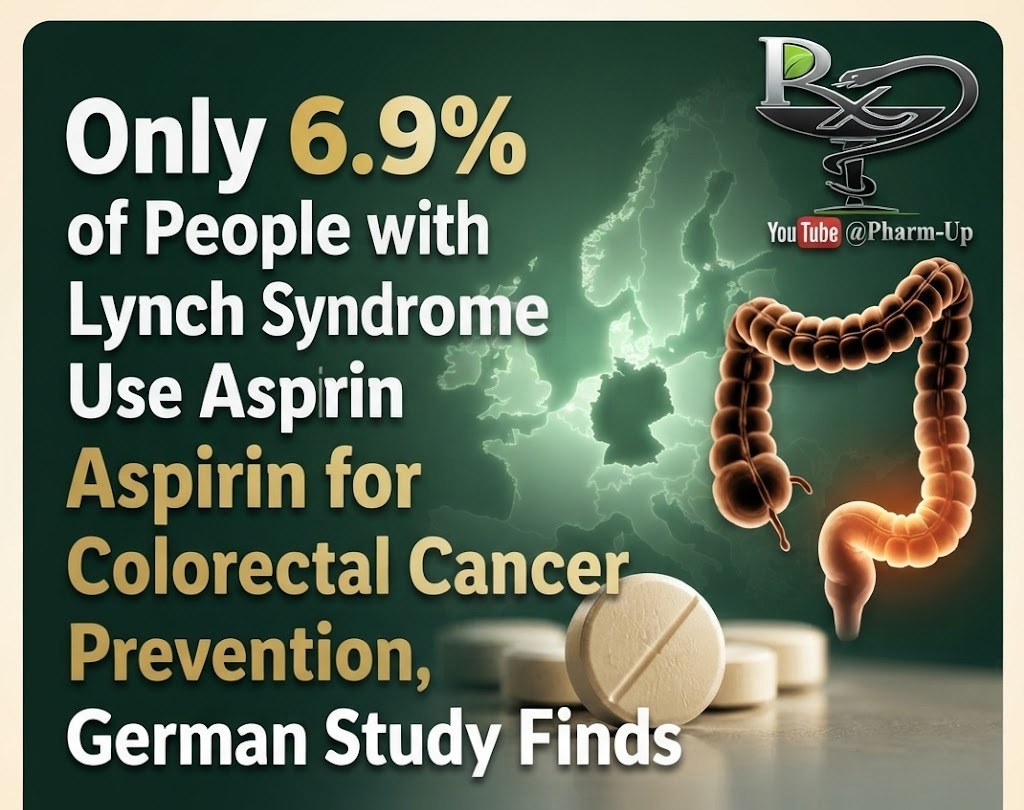
A German study involving 539 individuals with Lynch syndrome has revealed a significant “implementation gap” between scientific evidence supporting aspirin-based cancer prevention and its actual integration into clinical care[cite: 1]. Published in The Lancet Gastroenterology & Hepatology, the findings indicate that while awareness of screening recommendations is high, only a small fraction of eligible patients use aspirin for colorectal cancer prevention[cite: 1].
Key Findings from the LYNX Study
- High Awareness, Low Uptake: Approximately 97% of survey respondents were familiar with screening guidelines, and almost all reported undergoing regular colonoscopies[cite: 1]. However, only 6.9% of all participants reported taking aspirin specifically to reduce their inherited cancer risk[cite: 1]. A slightly higher percentage (10.4%) reported taking aspirin for any reason[cite: 1].
- Barriers to Use: Patients cited limited prior engagement with the topic, concerns about side effects (e.g., bleeding risk), and uncertainty regarding the scientific evidence as primary reasons for not using aspirin[cite: 1].
- Strong Interest in New Approaches: Despite low aspirin uptake, participants showed significant interest in novel preventive methods. Three-quarters expressed willingness to participate in a clinical trial for an mRNA-based cancer vaccine, increasing to 80% after receiving more information[cite: 1]. Furthermore, over 92% stated they would choose to receive an approved preventive mRNA vaccine in the future[cite: 1].
Background on Aspirin Chemoprevention in Lynch Syndrome
Lynch syndrome is an inherited condition that significantly increases the risk of colorectal and other cancers[cite: 1]. Previous research, such as the CAPP2 trial, demonstrated that a daily dose of 600 mg of aspirin reduces long-term colorectal cancer risk[cite: 1]. More recently, the CAPP3 trial suggested that a lower daily dose of 100 mg might offer a similar preventive effect with potentially better tolerability[cite: 1].
Implications for Clinical Practice
The LYNX study suggests that the underutilization of aspirin is not due to a lack of interest in prevention, but rather a failure to bridge the gap between evidence, medical counseling, and routine clinical practice[cite: 1]. Researchers emphasize the need for early, accessible, and structured information about aspirin chemoprevention, ensuring discussions address both benefits and risks so that healthcare professionals and patients can make informed, individualized decisions[cite: 1].
About the Author