Pharm'Up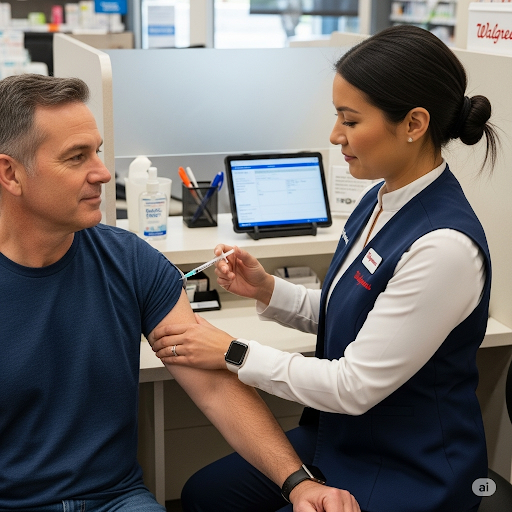
In anticipation of the 2025-2026 respiratory season, Walgreens is significantly enhancing its operational and staffing models to meet the expected high demand for influenza vaccines. According to Dr. Samantha Picking, the company’s senior director of immunizations, a combination of strategic staffing, advanced digital tools, and the expansion of micro-fulfillment centers will ensure that pharmacies can efficiently administer a high volume of vaccines while reducing the workload on their teams.
The move follows a highly successful 2024-2025 season, where Walgreens administered nearly 38 million flu shots, a number that surpassed the volume delivered in many medical offices. This year, the company is prepared to manage both walk-in traffic and pre-scheduled appointments, aiming to provide maximum flexibility and convenience for patients.
Enhanced Operational and Staffing Strategies
Walgreens has learned from past seasons and is implementing key changes to streamline the vaccination process. These include:
- Strategic Staffing: To ease the burden on pharmacists, Walgreens is allocating incremental technician hours and deploying contract immunizers to high-volume locations. This ensures that more staff members are available to administer shots, allowing pharmacists to focus on other patient-facing services. The company has also instituted “communication quiet periods” to let teams work without interruption during peak times.
- Digital Innovation: The use of technology is a major component of the preparation. Walgreens has rolled out several digital tools to improve efficiency:
- Global Scheduler: This single platform simplifies the booking process for both patients and staff. It allows for scheduling multiple vaccines in one visit, booking for up to four people, and provides automatic reminders.
- Digital Check-in: Patients can use a QR code to check in for their appointments, which reduces wait times and allows pharmacy staff to better manage their workflow.
- Targeted Outreach: Walgreens is leveraging data to send personalized reminders to customers via their preferred communication method (email, app, or phone) when they are due for a vaccine.
The Role of Micro-Fulfillment Centers
A significant “game changer” for Walgreens has been the expansion of its micro-fulfillment centers (MFCs). By centralizing the dispensing of routine prescriptions, these centers free up pharmacists’ time in over 5,000 stores nationwide. This allows on-site pharmacy teams to dedicate more time to high-touch services like immunizations and patient consultations. As Dr. Picking noted, pharmacies supported by an MFC are administering approximately 40% more vaccines than those that are not.
While it’s too early to provide specific demand projections for the upcoming season, Walgreens is working closely with supply chain partners to ensure an adequate supply of vaccines. The company is also anticipating a continued trend of co-administration of multiple vaccines, particularly among senior patients, and is well-prepared to accommodate this need. These comprehensive preparations underscore Walgreens’ commitment to being a key provider of public health services during the critical respiratory virus season.
About the Author