Biosimilar for Tocilizumab Confirmed as Highly Effective and Safe for Rheumatoid Arthritis
 Pharm'Up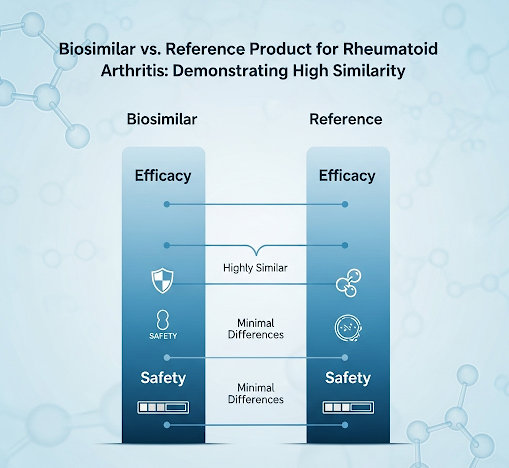
A new 52-week study has provided strong evidence that tocilizumab-anoh (Avtozma), a biosimilar of the reference drug tocilizumab (Actemra), is highly similar and equally effective and safe for treating rheumatoid arthritis (RA). The findings, published in Clinical Drug Investigation, confirm that patients who switch from the reference product to the biosimilar can maintain treatment efficacy without a loss of safety.
Understanding Biosimilars
A biosimilar is a biological product that is highly similar to an FDA-approved reference product and has no clinically meaningful differences in terms of safety, purity, and potency. Because biologics are complex molecules, biosimilars are not identical to their reference products but are designed to have the same therapeutic effect. Tocilizumab, which is an IL-6 receptor antagonist, is used to treat various inflammatory conditions, including RA.
The Study’s Methodology
To demonstrate the comparability of Avtozma and Actemra, investigators conducted a randomized, double-blind, multicenter Phase 3 clinical trial. The study involved 444 patients with moderate to severe RA. Initially, patients were randomized to receive either Avtozma or Actemra for 24 weeks. After this period, patients on the reference product were re-randomized to either continue on Actemra or switch to Avtozma for a maintenance period, with all groups followed for a total of 52 weeks.
Key Findings on Efficacy and Safety
The results confirmed the high similarity and comparable performance of the biosimilar. The primary endpoint, the Disease Activity Score in 28 joints-erythrocyte sedimentation rate (DAS28-ESR), showed minimal differences across all groups by the end of the study. The mean changes from baseline were nearly identical for patients on Avtozma maintenance (-4.279), Actemra maintenance (-4.231), and those who switched from Actemra to Avtozma (-4.376).
The study also found no significant differences in:
- Pharmacokinetics: The concentration of the drug in the bloodstream remained consistent, indicating similar absorption and processing by the body.
- Safety Profile: The rates of adverse effects were comparable across all groups.
- Immunogenicity: The rate of developing anti-drug antibodies was very low (less than 5%) and similar in all three groups, which is a key measure of a biosimilar’s stability and safety.
These findings are consistent with previous 32-week data and provide robust evidence for the efficacy and safety of switching to the biosimilar. The study’s authors note that this data is particularly valuable for clinicians, as it offers real-world evidence to support the use of biosimilars, potentially making a highly effective treatment more accessible for patients with RA.
About the Author