Breakthrough Study Uncovers Key Protein Driving Blood Clot Risk in Type 2 Diabetes
 Pharm'Up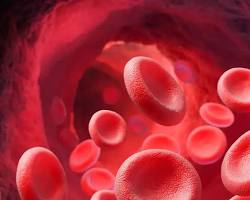
A groundbreaking study from the Charles Perkins Centre at the University of Sydney, published in the Journal of Clinical Investigation, has identified a novel biological pathway that could fundamentally change how we understand and treat the heightened risk of blood clots in individuals with Type 2 Diabetes (T2D). The research pinpoints a specific protein, SEC61B, as the key culprit behind the overactive platelets that contribute to cardiovascular complications, such as heart attacks and strokes, in this patient population.
For years, it has been known that T2D patients face a higher risk of developing dangerous blood clots, partly due to the hyperactivity of their platelets. These tiny blood cells, responsible for clotting to stop bleeding, become excessively sensitive and prone to clumping together in individuals with diabetes. This condition not only increases the risk of life-threatening events but also makes traditional anticoagulant and antiplatelet treatments less effective.
The new study sought to uncover the specific molecular mechanism behind this phenomenon. Researchers used a highly sensitive proteomic platform to compare the protein profiles of platelets from 42 individuals with T2D and coronary artery disease against a control group of 34 individuals with similar risk factors but without diabetes. The analysis of over 2,400 intracellular proteins revealed a crucial difference: platelets from individuals with T2D exhibited a distinct protein release pattern, with one protein in particular showing a significant elevation.
This protein was identified as SEC61B. To confirm this finding, the researchers studied a second group of patients and found that SEC61B levels were low in healthy individuals but markedly increased in the platelets of those with T2D. The study also validated this finding in hyperglycemic mice, reinforcing the link between high blood sugar and elevated SEC61B levels.
So, how does SEC61B promote clot formation? The researchers discovered that this protein disrupts the delicate balance of calcium inside platelets. SEC61B causes a “calcium leak” within the cell, leading to an increase in intracellular calcium. This change makes the platelets hyper-reactive and more likely to aggregate, forming clots.
Dr. Freda Passam, a professor from the Central Clinical School, noted that these findings are “exciting” as they identify an entirely new target for therapeutic intervention. While treatments specifically aimed at SEC61B are still in the developmental phase, the discovery provides a clear path forward. The study’s authors are optimistic, estimating that preclinical animal trials could begin within the next one to two years, with potential human therapies becoming available within the next decade.
This research represents a significant breakthrough, offering hope for more effective and targeted treatments to mitigate the cardiovascular risks that have long plagued individuals with T2D. By addressing the root cause of platelet hyperactivity, future therapies could help prevent the life-threatening complications that are a leading cause of death in this population.
About the Author