Empowering Patients: Culturally Tailored Education Improves Type 1 Diabetes Outcomes
 Pharm'Up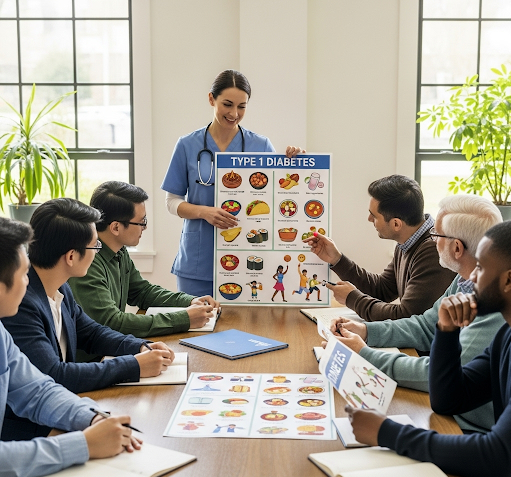
Culturally tailored education is more than just translated materials; it’s a powerful tool for empowering patients with type 1 diabetes (T1D) to better manage their condition. By simplifying complex medical information and integrating a patient’s cultural background, these programs can transform diabetes self-care from a daunting task into an achievable journey.
The Power of Simplified and Culturally Relevant Education
The article, written by a medical education consultant, emphasizes that simplifying complex information through illustrations, low-literacy visuals, and color-coding makes T1D management more accessible and less intimidating. This visual clarity can help patients shift their perceptions from fear to confidence, which leads to lower anxiety and better adherence to treatment plans.
Research strongly supports this approach, showing that when educational materials are culturally adapted, they produce clinically meaningful improvements.
- For Chinese Americans: A support group program delivered in Cantonese, using a fourth-grade reading level and incorporating familiar activities like tai chi, led to improved glycemic control and better diabetes knowledge within six months. The program’s success was attributed to participants feeling respected and understood, which fostered trust.
- For Mexican Americans: An 8-module, bilingual program along the US border with Mexico, which included cooking demonstrations and peer storytelling, resulted in an average hemoglobin A1c (HbA1c) improvement of 1.1%. Participants also reported healthier habits related to glucose monitoring, exercise, and diet.
Addressing Emotional and Social Barriers
Effective culturally tailored programs go beyond just improving medical metrics; they also address the emotional and psychosocial barriers to care. Many patients fear stigma or lack the vocabulary to discuss their condition with their families. By involving family members in the education process, these programs ensure a shared understanding and build a community of support. This approach is especially important in collectivist cultures where family dynamics play a crucial role in health behaviors.
In essence, honoring a patient’s culture by considering their dietary habits, health beliefs, literacy levels, and family structures helps build trust and foster engagement. Using a patient’s first language, along with storytelling and hands-on activities, empowers them to become active partners in their care. This not only leads to better health outcomes but also enables patients to thrive within their unique cultural contexts.
About the Author




 Pharm'Up