Pharm'Up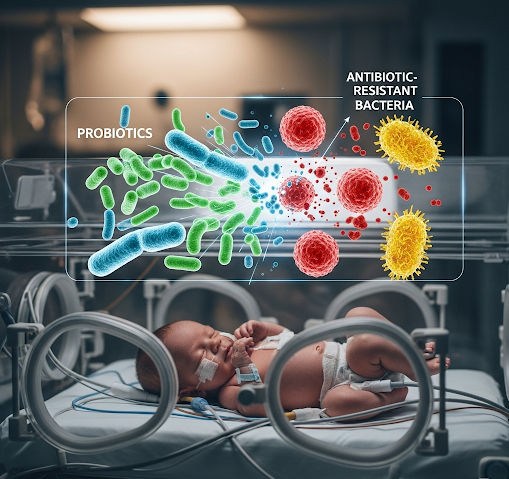
A new study published in Nature Communications has found that giving probiotic supplements to very-low-birth-weight (VLBW) preterm infants can significantly reduce the presence of antibiotic resistance genes (ARGs) and colonization by multidrug-resistant (MDR) organisms in their gut. This groundbreaking research validates the use of microbiome-directed strategies to improve the health outcomes of these highly vulnerable newborns.
The Challenge of Antibiotic Resistance in NICU
VLBW infants (weighing less than 3.3 pounds) are often born with underdeveloped immune systems and require extended stays in the neonatal intensive care unit (NICU). During this time, they frequently receive antibiotics, which, while life-saving, can disrupt the development of their nascent gut microbiome. This disruption can create an environment where ARGs and MDR bacteria can thrive, posing a serious threat to the infants’ health.
To investigate this, researchers conducted a study on 34 VLBW infants who were exclusively fed human milk. One group received a probiotic supplement (PS) containing beneficial bacteria like Bifidobacterium bifidum and Lactobacillus acidophilus, while the other group did not (NPS).
Key Findings: Probiotics Foster a Healthier Gut
The results of the study were compelling. The infants who received the probiotic supplement had a lower burden of ARGs and a reduced growth of common disease-causing bacteria. Critically, their gut microbiomes were enriched with beneficial Bifidobacterium species, which are known to support a healthy gut. The study also noted that the probiotic group’s bacteria were less likely to possess MDR traits compared to those in the non-probiotic group.
The research also highlighted an important nuance: while probiotics significantly reduced the prevalence of resistance genes, they did not completely eliminate the risk of horizontal gene transfer (HGT)—the process by which resistance genes can spread between bacteria. This finding underscores that while probiotics are a powerful tool, they must be used as part of a comprehensive antimicrobial stewardship program.
The Crucial Role of Pharmacists
This study provides strong evidence that a well-structured probiotic regimen is a key component of modern neonatal care. The article emphasizes the critical role of pharmacists in implementing these findings, particularly in:
- Product Selection: Vetting and choosing high-quality, safe, and strain-specific probiotic products.
- Protocol Development: Creating and managing standardized protocols for the storage, handling, and administration of probiotics to ensure their effectiveness.
- Education and Counseling: Providing guidance to other healthcare professionals and families on the benefits and limitations of probiotic therapy.
In summary, this research confirms that early probiotic supplementation is a powerful and safe way to protect vulnerable preterm infants from the dangers of antibiotic resistance. It reinforces the need for collaboration between healthcare professionals to ensure these fragile patients receive the best possible care.
About the Author