Pharm'Up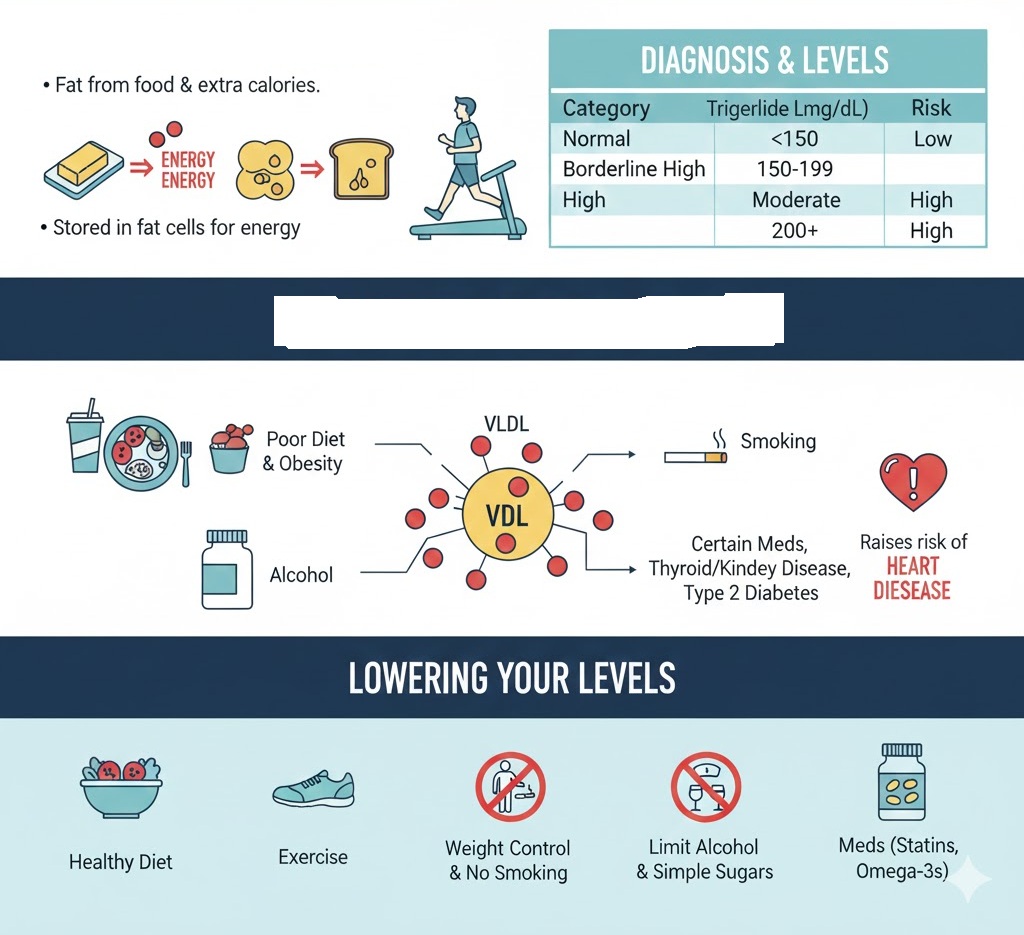
Triglycerides are the most common type of fat found in your body. They are essentially your body’s energy reserve. When you eat, any calories your body doesn’t need to use right away are converted into triglycerides and stored in your fat cells. Later, hormones release them to provide energy between meals.
Causes of High Triglycerides (Hypertriglyceridemia)
Several lifestyle factors and medical conditions can cause these levels to rise:
- Dietary Habits: Consuming more calories than you burn, particularly from sugar, alcohol, and refined carbohydrates.
- Health Conditions: Obesity, poorly controlled Type 2 diabetes, hypothyroidism, and kidney or liver disease.
- Lifestyle: Smoking and lack of physical activity.
- Biology: Genetic disorders or the side effects of certain medications.
Diagnosis and Levels
Triglycerides are measured through a simple blood test, usually as part of a lipid panel. The results are categorized as follows:
| Category | Triglyceride Level |
| Normal | Less than 150 mg/dL |
| Borderline High | 150 to 199 mg/dL |
| High | 200 to 499 mg/dL |
| Very High | 500 mg/dL and above |
Risks and Management
Having high triglycerides contributes to the hardening of the arteries (atherosclerosis), which increases the risk of stroke, heart attack, and heart disease. Very high levels can also cause acute inflammation of the pancreas (pancreatitis).
How to Lower Your Levels:
- Move More: Aim for at least 30 minutes of physical activity most days.
- Watch the Sugar: Avoid “simple” carbs like white flour and fructose.
- Choose Healthier Fats: Swap saturated fats (found in meats) for monounsaturated fats (found in plants, like olive oil or avocados).
- Limit Alcohol: Alcohol is high in calories and sugar and has a particularly strong effect on triglycerides.
- Medication: If lifestyle changes aren’t enough, your doctor may prescribe statins, fibrates, or omega-3 fatty acid supplements.
About the Author




 Pharm'Up