Eli Lilly Intensifies Weight-Loss Drug Rivalry in India with Mounjaro Kwikpen Launch
 Pharm'Up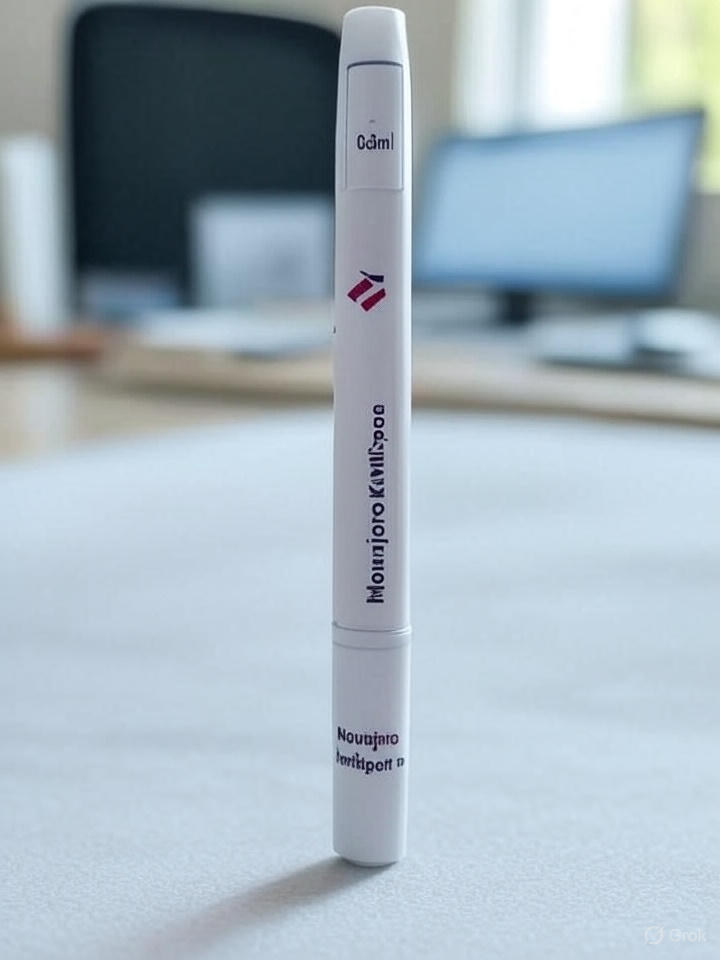
Pharmaceutical giant Eli Lilly has officially launched its Mounjaro Kwikpen in India, directly challenging rival Novo Nordisk in the country’s burgeoning market for advanced weight-loss and diabetes treatments. The launch, which took place last Friday, August 15th, introduces a user-friendly injector pen with a starting monthly price of ₹14,000 (approximately $160), a move set to reshape the competitive landscape.
The launch escalates a heated competition with Novo Nordisk, whose own GLP-1 drug, Wegovy, entered the Indian market just two months prior in June. According to Lilly, the company secured regulatory approval for the once-weekly Kwikpen from India’s Central Drugs Standard Control Organization (CDSCO) in June, a mere two days after Novo Nordisk had rolled out Wegovy in its similar multi-dose pen format.
Lilly is offering the Mounjaro Kwikpen in a wide range of six strengths to cater to different stages of treatment. The pricing structure is tiered:
- The starting doses of 2.5 mg and 5 mg are priced at ₹14,000 and ₹17,500 respectively.
- The mid-range 7.5 mg and 10 mg doses will cost ₹22,000.
- The highest strengths of 12.5 mg and 15 mg are priced at ₹27,500 per month.
For comparison, Novo Nordisk’s Wegovy is priced at ₹17,345 per month for its three starting doses (0.25 mg, 0.5 mg, and 1 mg). Its higher maintenance doses of 1.7 mg and 2.4 mg cost ₹24,280 and ₹26,015 respectively. Lilly’s entry point of ₹14,000 strategically undercuts Wegovy’s starting price, signaling an aggressive push for market share.
This is not Mounjaro’s first appearance in India. Eli Lilly began distributing the drug in vial form in late March for both type 2 diabetes and obesity management. The company has already seen significant uptake, with reports indicating that sales in July doubled compared to the previous month, reflecting strong underlying demand for this new class of medication.
Both Mounjaro and Wegovy belong to a class of medicines called GLP-1 receptor agonists. These drugs work by mimicking a gut hormone that helps control blood sugar levels, slows down digestion, and signals satiety to the brain, causing users to feel full for longer periods and thereby aiding in weight loss.
About the Author