Pharm'Up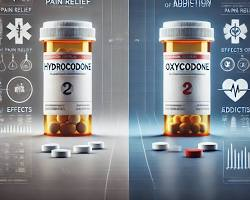
In a significant move to combat the opioid crisis, the FDA has mandated sweeping changes to the labeling of all opioid pain medications. The revisions are designed to more effectively communicate the serious, long-term risks associated with these drugs, including addiction, abuse, overdose, and dangerous drug interactions. These new requirements align with the CDC’s 2022 Clinical Practice Guideline for Prescribing Opioids for Pain, reinforcing a framework for safer pain management.
Key Updates to Opioid Labels
The new labels will no longer contain language that implies long-term use is supported by scientific evidence. Instead, they will prominently feature key risk information:
- Explicit Risk Summaries: Labels will now include concise summaries of studies detailing the risks of addiction, misuse, and overdose.
- Dosage-Related Warnings: There will be a stronger emphasis that higher doses of opioids are associated with a greater risk of harm over time.
- Use of Extended-Release Formulations: The labels for extended-release opioids will now be restricted to use only in cases where non-opioid therapies and immediate-release formulations have proven insufficient.
- Abrupt Discontinuation Warning: A crucial new warning will caution against the abrupt discontinuation of opioids in physically dependent patients. This is a critical safety measure to prevent severe withdrawal symptoms, rebound pain, and the potential for suicidal thoughts.
- Expanded Drug Interaction Alerts: Warnings about interactions with other central nervous system (CNS) depressants, such as benzodiazepines and gabapentinoids, will be more comprehensive.
- Rare, Serious Outcomes: New alerts will be added for rare but serious adverse events like opioid-induced esophageal dysfunction and toxic leukoencephalopathy, which have been observed in overdose cases.
A Reinforced Role for Pharmacists
These new regulations and the CDC guidelines solidify the pharmacist’s role as a critical partner in pain management. Pharmacists are now better equipped to intervene and provide essential patient care:
- Patient Education: Pharmacists will be responsible for educating patients on the new risk information and ensuring they understand how to properly use naloxone or nalmefene in case of an overdose.
- Medication Review: They will verify the indication for extended-release opioid prescriptions and closely review for co-prescribing of CNS depressants.
- Collaboration: Pharmacists will collaborate with prescribers to develop safe and effective taper plans for patients who are physically dependent, thereby minimizing the risks of withdrawal and other adverse outcomes.
By integrating these updated requirements and guidelines into their daily practice, pharmacists can significantly contribute to reducing opioid-related harm, ultimately leading to safer and more effective pain management for patients.
About the Author



 Pharm'Up