Pharm'Up
The U.S. Food and Drug Administration (FDA) has issued a Complete Response Letter (CRL) for the New Drug Application (NDA) of vatiquinone, a potential treatment for Friedreich ataxia (FA). This decision from the FDA means that the drug, developed by PTC Therapeutics, will not be approved at this time. The CRL stated that the application did not provide “substantial evidence of efficacy” and that a new, “adequate and well-controlled study” is required to support any future resubmission.
The Unmet Need for Friedreich Ataxia Treatment
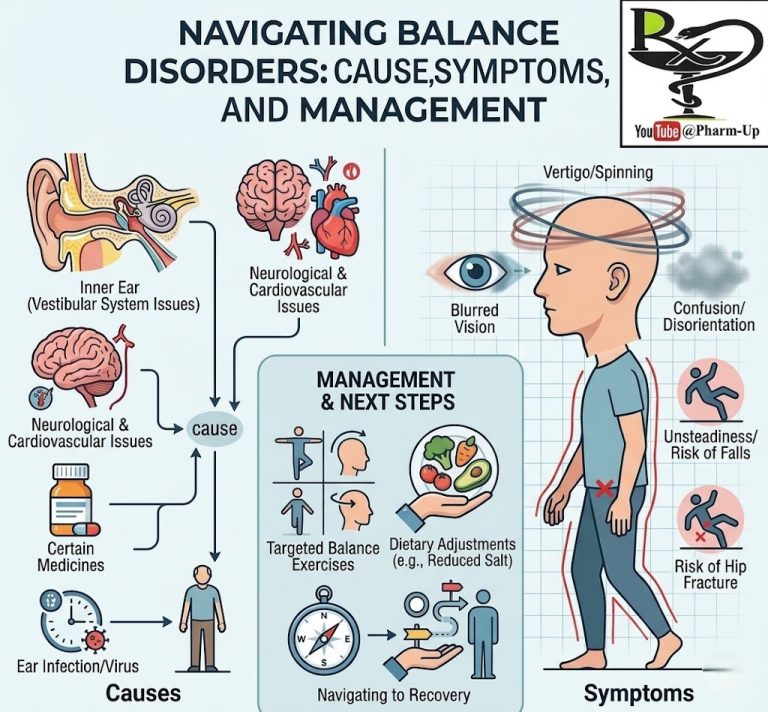
Friedreich ataxia is a rare, inherited, and devastating neurodegenerative disease that progressively worsens over time. It causes damage to the nervous system, including the spinal cord and cerebellum, leading to a range of debilitating symptoms such as uncoordinated movements, speech difficulties, loss of sensation, and fatigue. The disease, which often begins in childhood, can also lead to serious comorbidities like heart disease and diabetes. With no cure available, treatment options are limited to symptom management, making a disease-modifying therapy a critical and urgent need for patients and families.
Clinical Trial Data and FDA’s Rationale
Vatiquinone, a first-in-class inhibitor of the enzyme 15-Lipoxygenase, was evaluated in the MOVE-FA study, a Phase 3 clinical trial involving 146 patients. While the trial was designed to demonstrate efficacy, it did not achieve its primary endpoint of a statistically significant change in the Modified FA Rating Scale (mFARS) score.
Despite this, the study did show some promising results on secondary measures. Investigators observed significant improvements in bulbar and upright stability, as well as on a fatigue scale. A pre-specified analysis also suggested that the drug could slow disease progression by as much as 75% over 72 weeks in a subset of participants. The drug was also shown to be well-tolerated.
The FDA’s decision, however, highlights the strict regulatory standard for drug approvals. While secondary data can be supportive, the failure to meet the primary endpoint was the key factor in the CRL. For the FDA, the evidence was not compelling enough to conclude that the drug provides a meaningful clinical benefit.
PTC Therapeutics Responds
Matthew B. Klein, MD, CEO of PTC Therapeutics, expressed his disappointment with the FDA’s decision. “We believe the data collected to date demonstrate that vatiquinone could provide a safe and effective therapy for both children and adults living with FA,” he said in a news release. The company plans to meet with the FDA to discuss a path forward and address the issues raised in the CRL.
About the Author



 Pharm'Up