Pharm'Up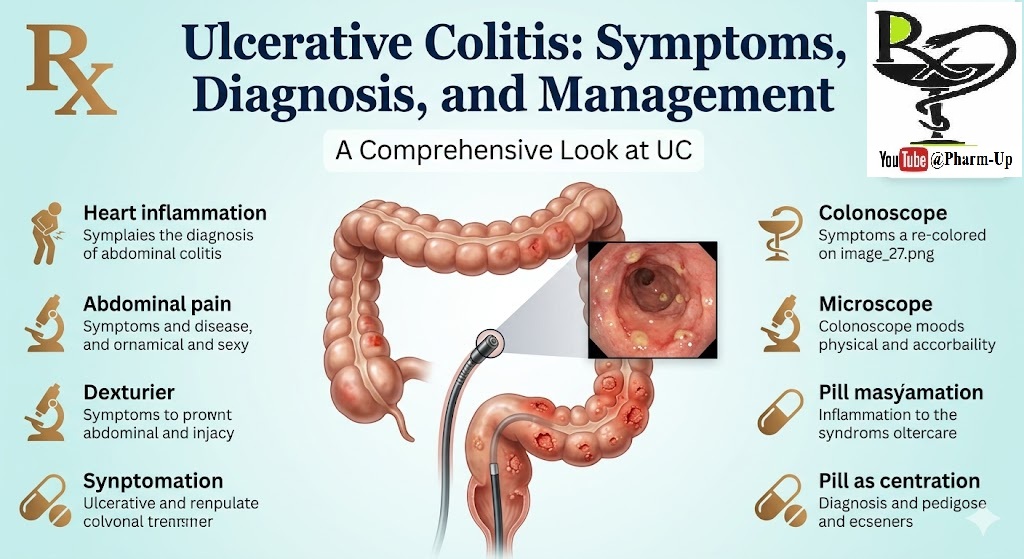
Ulcerative Colitis (UC) is a chronic inflammatory bowel disease (IBD) that primarily affects the lining of the colon and rectum. It triggers continuous inflammation, leading to the formation of small sores called ulcers. While the condition can be life-altering, many individuals experience long periods of remission with the right medical approach.
Recognizing the Signs
UC typically manifests between the ages of 15 and 30, often appearing in individuals with a family history of the disease. Symptoms can range from mild to debilitating:
- Primary Symptoms: Abdominal pain, rectal bleeding, and persistent diarrhea containing blood or pus.
- Systemic Effects: Chronic fatigue, anemia, loss of appetite, and significant weight loss.
- Secondary Complications: Joint inflammation, skin lesions, and potential growth delays in pediatric patients.
Clinical Diagnosis & Treatment
Medical professionals utilize a multi-faceted approach to identify and manage the disease:
- Diagnostic Tools: A combination of blood and stool analysis, imaging, and endoscopic procedures (colonoscopy/sigmoidoscopy) to visualize the intestinal lining.
- Control Methods: Drug therapies aimed at reducing inflammation and inducing remission.
- Surgical Intervention: In severe or non-responsive cases, a colectomy (removal of the colon) may be required to resolve the condition.
About the Author