The Science of the “Super-Brush”: How Graphene Kills Bacteria Without Harming Humans
 Pharm'Up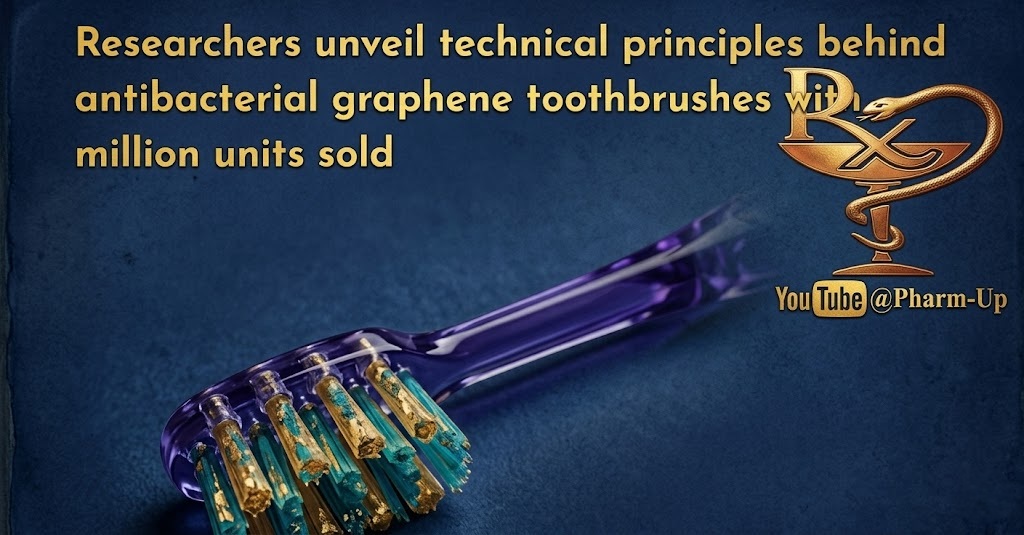
The mystery behind the 10-million-selling antibacterial graphene toothbrush has finally been solved. A joint research team from KAIST, led by Professors Sang Ouk Kim and Hyun Jung Chung, has unveiled the exact molecular mechanism that allows Graphene Oxide (GO) to selectively target and destroy pathogens while remaining perfectly safe for human use.
The “Targeted Magnet” Mechanism
The secret lies in a fatty component called POPG, which is found in bacterial cell membranes but is absent in human cells. The researchers discovered that the oxygen groups on graphene oxide act like a magnet, specifically binding to POPG. Once attached, the graphene physically disrupts the bacterial membrane, effectively “popping” the germ without the need for harsh chemicals or traditional antibiotics.
From Lab to 10 Million Homes
This isn’t just theoretical science; it is a proven commercial powerhouse. The technology has already powered the massive success of graphene-based toothbrushes and is now expanding into:
- High-Performance Sportswear: Used in Olympic uniforms for the 2024 Paris games and scheduled for a major appearance at the 2026 Asian Games.
- Medical Textiles: Nanofibers that kill antibiotic-resistant “superbugs” and accelerate wound healing in animal trials.
- Eco-Friendly Hygiene: Unlike chemical coatings, graphene’s antibacterial properties remain effective even after multiple washes, making it a sustainable choice for the textile industry.
A New Era for Antibacterial Materials
By providing molecular-level proof of safety and efficacy, the KAIST team has opened the door for graphene to replace traditional antibiotics in everyday products, ranging from wearable medical devices to advanced skincare and apparel.
About the Author