The Quest for a Universal Antiviral: A Rare Genetic Mutation Inspires a Groundbreaking Therapy
 Pharm'Up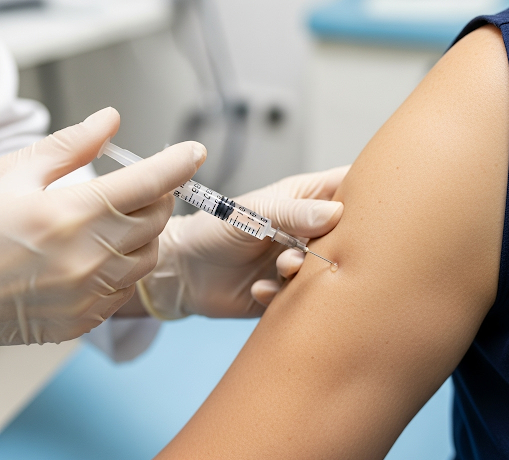
A remarkable discovery, rooted in the study of a rare genetic condition, is paving the way for a potential universal antiviral that could offer broad-spectrum protection against a wide range of viruses. Columbia immunologist Dr. Dusan Bogunovic’s research was inspired by a handful of individuals who possess a unique genetic mutation that grants them an extraordinary ability to fight off all viruses without succumbing to illness.
The “Superpower” of ISG15 Deficiency
Approximately 15 years ago, Dr. Bogunovic identified a genetic mutation that causes a deficiency in the immune regulator ISG15. While the condition initially seemed to increase susceptibility to some bacterial infections, a surprising pattern emerged: every person with this mutation had a mild but persistent state of systemic inflammation that was strongly antiviral. Upon examining their immune cells, Bogunovic and his team found evidence of encounters with numerous viruses—including flu, measles, mumps, and chickenpox—yet the patients themselves never reported any overt symptoms. This observation led to a groundbreaking hypothesis: if this “light immune activation” could be replicated, it might offer universal protection against viral infections.
From Rare Condition to a Prophylactic Therapy
Bogunovic’s latest study, published in Science Translational Medicine, details the development of an experimental therapy designed to mimic the antiviral effects of the ISG15 deficiency, but only for a short, controlled period. The therapy is crafted to be a prophylactic measure, a form of protection administered before exposure to a virus.
The therapeutic approach is a sophisticated twist on current mRNA vaccine technology. Instead of targeting a single virus, the therapy consists of ten mRNAs packaged within a lipid nanoparticle. Once delivered into the recipient’s cells (in the current study, this was done via a nasal drip into the lungs of mice and hamsters), these mRNAs instruct the cells to produce ten specific host proteins. These proteins are primarily responsible for the broad antiviral protection seen in the ISG15-deficient individuals.
The animal studies were a significant success. The therapy was found to:
- Prevent viral replication of both influenza and SARS-CoV-2.
- Lessen the severity of the disease.
- In cell cultures, the therapy has yet to be defeated by any virus, a testament to its broad-spectrum potential.
The Future: A Weapon for the Next Pandemic
Dr. Bogunovic envisions this technology as a critical weapon in the fight against future pandemics, providing a protective shield for first responders, nursing home residents, and family members of the infected. A key advantage is its potential to be effective even when the identity of the virus is unknown. Importantly, the therapy’s temporary protection will not prevent an individual from developing their own long-term immunological memory to a virus.
However, challenges remain before the therapy can be tested in humans. The biggest hurdle is optimizing the drug delivery system to ensure the proteins are produced at sufficiently high levels. Researchers also need to determine the optimal duration of the therapy’s protection, which is currently estimated to last between three and four days. Despite these challenges, the study’s findings highlight the profound impact that curiosity-driven research can have, leading to unexpected and potentially world-changing medical breakthroughs.
About the Author