Pharm'Up
The Pharmacy Council of India (PCI) has released a draft syllabus for the Bachelor of Pharmacy (B. Pharm) program, signaling one of the most significant reforms in pharmaceutical education in recent years. The proposed curriculum aims to align with the National Education Policy (NEP) 2020, blending traditional pharmaceutical knowledge with 21st-century innovations in technology, research, and industrial applications.
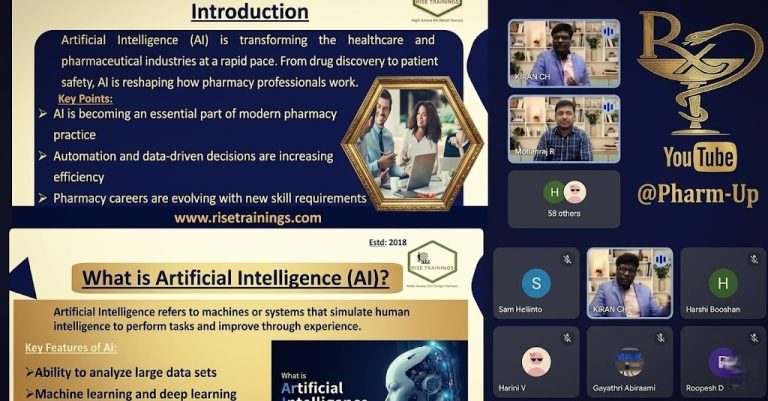
At the heart of this reform is the vision to prepare “new-age pharmacists” equipped with skills in artificial intelligence (AI), Python coding, computational drug discovery, and smart manufacturing systems. According to PCI, these additions will help graduates thrive in an era driven by data science, healthcare analytics, and precision medicine.
The syllabus retains strong foundations in pharmaceutics, pharmaceutical chemistry, and pharmacology, especially during the first four semesters. However, it introduces two mandatory internships—one in clinical/community settings to enhance patient-care skills, and another in industrial environments to expose students to drug formulation and manufacturing.
Interdisciplinary opportunities are also emphasized, with electives spanning forensics, nanotechnology, law, and management, enabling graduates to branch into careers in areas such as pharmacogenomics, regulatory affairs, and medical devices. Research-oriented segments and courses on entrepreneurship aim to nurture innovation, startup culture, and independent professional pathways.
In total, the program proposes 191 credits across eight semesters, offering students the flexibility to pursue majors, minors, and electives tailored to their interests. Soft skills such as ethics and patient communication will be developed through case studies and role-play, ensuring graduates balance technical expertise with empathy.
The PCI has invited public feedback on the draft until September 20, 2025, after which a final version and implementation timeline will be announced.
Disclaimer: This news summary is based on PCI’s draft notification. For official details, students and stakeholders should consult PCI and state pharmacy councils directly.
About the Author

 Pharm'Up