FDA Unveils Landmark Guidance to Fast-Track Biosimilar Approvals, Targeting Billions in Drug Cost Savings
 Pharm'Up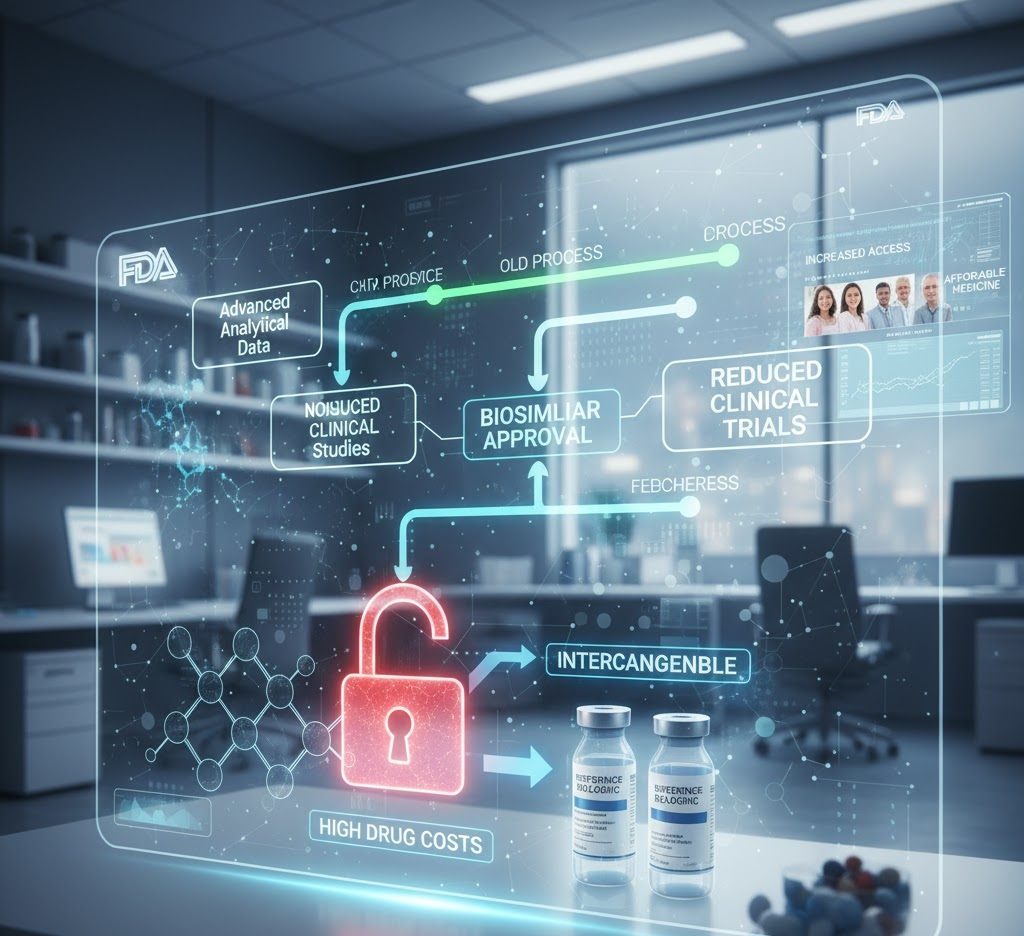
The U.S. Food and Drug Administration (FDA) has taken a significant step toward reshaping the landscape of biologic medicine, announcing ambitious new measures designed to both accelerate the development of biosimilar medicines and dramatically reduce the exorbitant costs of biologic treatments for American patients.
In an official press release titled “FDA Moves to Accelerate Biosimilar Development and Lower Drug Costs,” the agency unveiled a crucial draft guidance document: “Scientific Considerations in Demonstrating Biosimilarity to a Reference Product: Updated Recommendations for Assessing the Need for Comparative Efficacy Studies.”
Streamlining the Pathway to Approval
The core of the new draft guidance lies in its proposal to streamline the development pathway for biosimilars. This strategic shift aims to empower manufacturers to demonstrate biosimilarity primarily through advanced analytical and non-clinical data, thereby potentially reducing the need for extensive, large-scale comparative human clinical trials.
The FDA emphasized that this novel approach is designed to make the biosimilar approval process significantly more efficient, without in any way compromising the rigorous safety and efficacy standards that underpin all drug approvals.
Addressing the High Cost of Biologics
FDA Commissioner Marty Makary underscored the critical impact of these changes: “Biosimilars are often far more affordable to patients and have the promise to significantly lower health care costs in America. By streamlining the biosimilar development process and helping advance interchangeability, we can achieve massive cost reductions for advanced treatments for cancer, autoimmune diseases, and rare disorders affecting millions of Americans.”
The agency highlighted the pressing need for such reforms, noting that while biologic medicines account for only about 5% of all prescriptions, they consume a staggering 51% of the total drug spending in the country. This stark imbalance underscores the potential for biosimilars to introduce much-needed competition into the biologics market, driving down prices and enhancing patient access to life-saving and life-altering therapies.
Enhancing Interchangeability for Greater Access
Beyond accelerating approvals, the FDA also announced parallel efforts to simplify the process for biosimilars to achieve “interchangeable” designation with their reference biologic products. This designation is pivotal because it allows pharmacists to substitute an interchangeable biosimilar for its reference drug without requiring prior consultation with the prescribing healthcare provider. This move is expected to further expand patient access, increase market penetration of biosimilars, and exert additional downward pressure on drug costs.
Public Comment Period and Future Outlook
The newly issued guidance is currently in draft form, and the FDA has actively invited public comments to be submitted before the document is finalized. This inclusive approach ensures that all stakeholders, including pharmaceutical companies, healthcare providers, and patient advocacy groups, have the opportunity to provide input.
The agency reaffirmed its unwavering commitment to maintaining scientific rigor and patient safety as paramount priorities, while simultaneously fostering greater affordability and innovation within the dynamic pharmaceutical industry. This initiative is expected to usher in a new era of increased access and affordability for advanced biologic treatments, promising a significant positive impact on millions of American lives.
About the Author



 Pharm'Up