Pharm'Up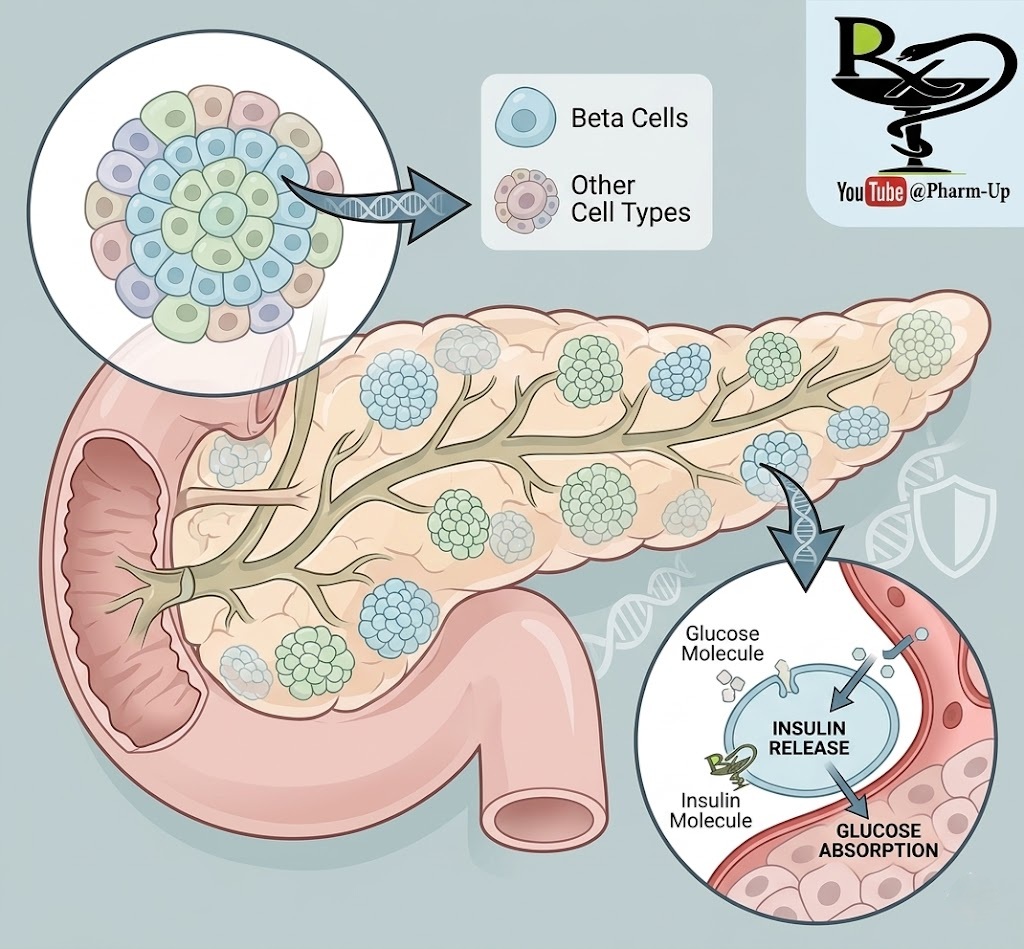
Islets are specialized clusters of cells scattered throughout the pancreas. Within these clusters are beta cells, which play a vital role in health by producing insulin. This hormone is the key that allows your body’s cells to absorb glucose (sugar) from the bloodstream to use as energy.
The Role of Islets in Type 1 Diabetes
In individuals with type 1 diabetes, the body’s immune system mistakenly attacks and destroys these insulin-producing beta cells. Without insulin, glucose builds up in the blood, leading to serious health complications. Currently, people with this condition must rely on daily insulin injections or pumps to survive.
How Islet Cell Transplantation Works
Islet cell transplantation is an experimental procedure designed to restore the body’s natural ability to regulate blood sugar.
- Donation: Islet cells are harvested from the pancreas of an organ donor.
- Transfer: These healthy islets are transplanted into the person with type 1 diabetes.
- Function: Once successful, the new beta cells begin to sense blood glucose levels and release insulin automatically, just as a healthy pancreas would.
The Goal of Treatment
The primary objective of this research is to enable people with type 1 diabetes to live insulin-independent lives. By replacing the biological “machinery” that was lost, researchers hope to eliminate the need for manual insulin administration and provide more stable, long-term blood sugar control.
About the Author