Pharm'Up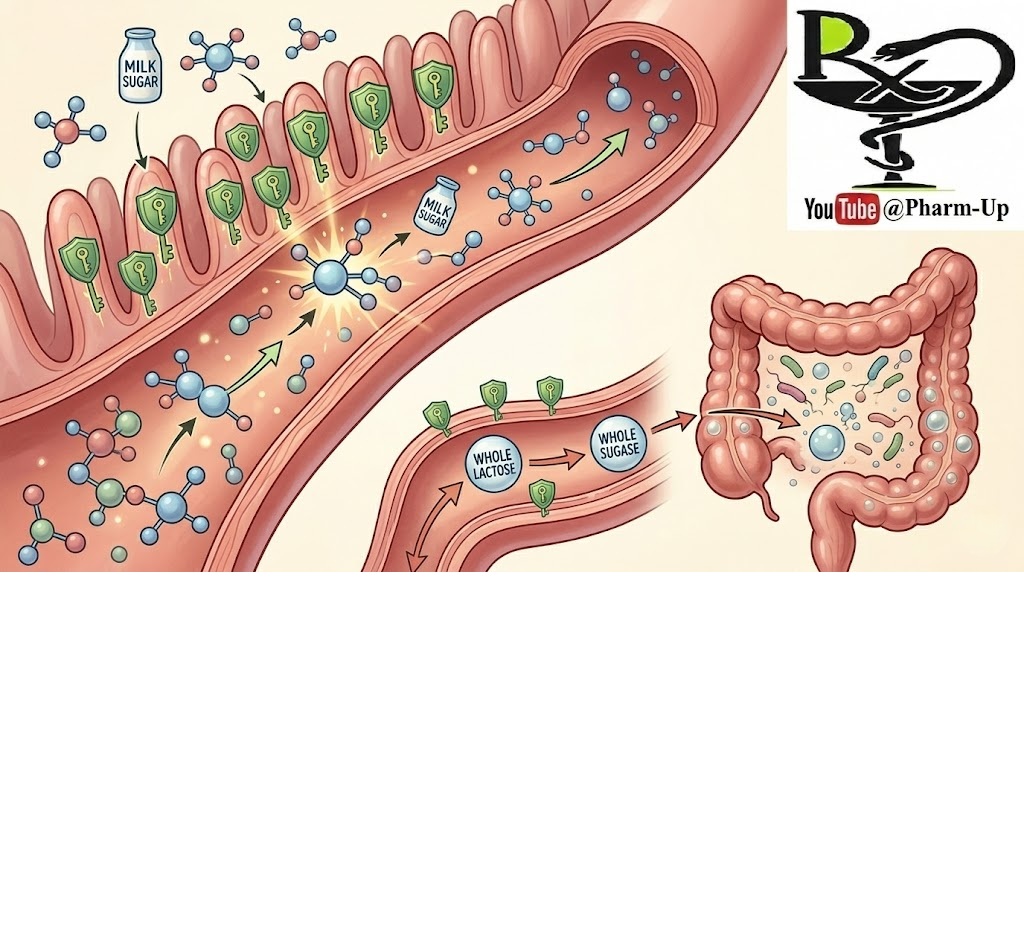
Lactose intolerance is a common digestive condition where the body is unable to break down lactose, the primary sugar found in milk and dairy products. This occurs when the small intestine does not produce enough of an enzyme called lactase.
Recognizing the Symptoms
When undigested lactose passes into the colon instead of being absorbed, it interacts with normal gut bacteria, leading to various symptoms. These usually occur 30 minutes to two hours after consuming dairy:
- Digestive Discomfort: Significant gas and bloating (swelling in the stomach).
- Bowel Changes: Frequent or urgent diarrhea.
- General Malaise: Feeling overall “sick to your stomach” or nauseated.
Diagnosis
If you suspect you have a dairy sensitivity, a healthcare provider can confirm the diagnosis through several specialized tests:
- Hydrogen Breath Test: Measures the amount of hydrogen in your breath after drinking a lactose-heavy liquid.
- Blood Glucose Test: Checks how your blood sugar responds to lactose.
- Stool Acidity Test: Typically used for infants and young children to detect undigested acids.
Managing Your Diet and Health
While there is no cure for lactose intolerance, it is not a serious medical condition and is easily managed with lifestyle adjustments.
Dietary Strategies
- Reduce Intake: Many people can tolerate small amounts of dairy or specific products like hard cheeses and yogurt, which have lower lactose levels.
- Enzyme Replacements: Over-the-counter lactase pills or drops can be taken before meals to help your body digest the sugar.
- Lactose-Free Alternatives: Switching to almond, soy, oat, or specially treated lactose-free cow’s milk.
Nutritional Considerations
Because milk is a primary source of nutrients for many, those with lactose intolerance must be careful to avoid deficiencies:
- Calcium and Vitamin D: You may need to take supplements or increase your intake of non-dairy sources like leafy greens (kale, spinach), canned sardines, or fortified juices.
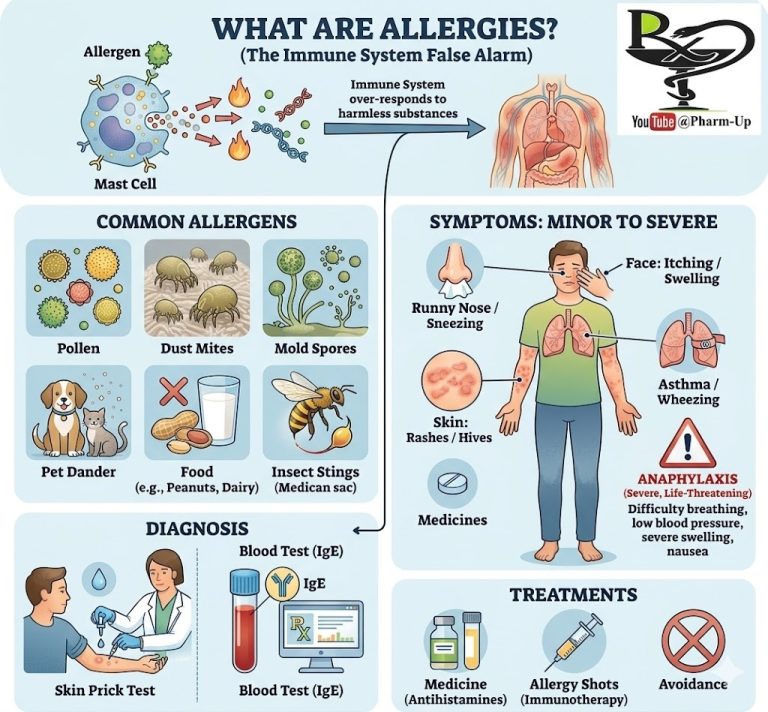
Note: Lactose intolerance is different from a milk allergy. While intolerance is a digestive issue, an allergy involves the immune system and can be much more severe.
About the Author


 Pharm'Up