Pharm'Up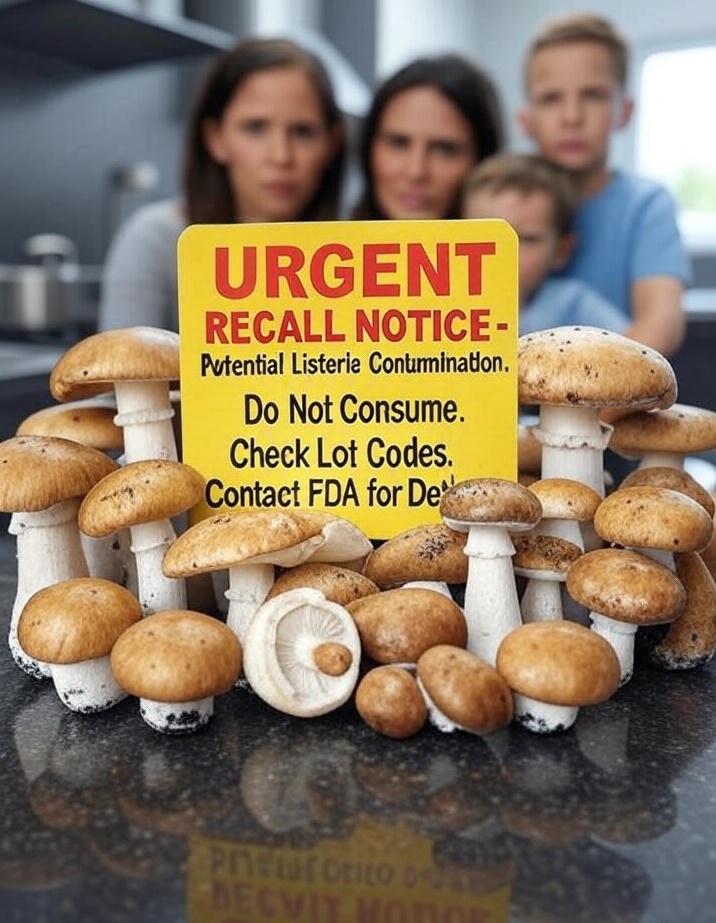
On June 9, 2025, Alma Pak International LLC, a Georgia-based company, voluntarily recalled 400 boxes (12,000 pounds) of organic blueberries due to potential Listeria monocytogenes contamination. On July 1, 2025, the FDA classified this as a Class I recall, indicating a high risk of serious health issues or death. The affected blueberries were shipped to a single customer in North Carolina and, according to Alma Pak, were fully recovered before reaching retail stores. However, consumers should remain vigilant. Below is a guide to the recall, risks, and safe handling practices.
Identifying the Recalled Blueberries
The recalled blueberries can be identified by:
- Brand: Alma Pak International LLC organic blueberries (specific retail brands not disclosed, as the product was shipped to a distributor in North Carolina).
- Lot Codes: 13325 G1060 and 13325 G1096.
- Packaging: 30-pound boxes, typically used for bulk distribution.
Consumers in North Carolina who purchased bulk organic blueberries should check for these lot codes. Verify details on the FDA’s recall page (www.fda.gov/safety/recalls-market-withdrawals-safety-alerts).
Reason for the Recall
Routine testing by Alma Pak detected Listeria monocytogenes in the affected batches. This bacterium can survive refrigeration and may contaminate blueberries during harvesting, processing, or packaging due to poor sanitation or contact with contaminated surfaces.
Understanding Listeria and Listeriosis
Listeria monocytogenes is a bacterium found in soil, water, and animal feces, causing listeriosis, a serious infection. The CDC reports approximately 1,600 U.S. cases and 260 deaths annually from listeriosis.
Symptoms:
- Mild: Fever, muscle aches, nausea, vomiting, diarrhea (resolving in 1–3 days).
- Severe: Headache, stiff neck, confusion, loss of balance, convulsions, meningitis, or sepsis (symptoms may appear days to weeks after exposure). Seek immediate medical attention if severe symptoms occur after consuming blueberries.
High-Risk Groups:
- Pregnant women (risk of miscarriage, stillbirth, or newborn infection)
- Newborns
- Adults aged 65+
- People with weakened immune systems (e.g., cancer, diabetes, or immunosuppressive medication users) These groups should avoid potentially contaminated products.
What to Do If You Have Recalled Blueberries
- Do Not Consume: Avoid eating the blueberries, even if they appear normal.
- Secure and Dispose: Double-bag the product in sealed plastic bags and discard in a secure outdoor trash can. Do not compost.
- Document for Refund: Take a photo of the packaging (showing lot codes) or keep your receipt.
- Request Refund: Contact the purchase location for a refund, providing proof of disposal.
- Report Illness: If you experience symptoms, report to the FDA’s MedWatch program (www.fda.gov/safety/medwatch).
Preventing Cross-Contamination
To avoid spreading Listeria:
- Handwashing: Wash hands with soap and warm water for 20 seconds.
- Clean Surfaces: Use hot, soapy water on countertops, cutting boards, and utensils.
- Sanitize: Apply a diluted bleach solution (1 tablespoon unscented bleach per gallon of water) or commercial sanitizer to surfaces, letting it sit for a few minutes before drying.
- Refrigerator: Clean and sanitize shelves or drawers that held the blueberries.
Safe Handling of Fresh Produce
- Wash Before Eating: Rinse blueberries under cool running water just before consumption. Do not use soap or detergents.
- Dry Gently: Rub berries to remove dirt and pat dry with a clean paper towel to reduce bacterial growth.
- Store Separately: Keep berries in a clean refrigerator container, away from raw meats, poultry, or seafood.
- Discard Spoilage: If berries show mold, sliminess, or an off smell, discard the entire batch.
Staying Informed
- Check the FDA’s recalls page (www.fda.gov/safety/recalls-market-withdrawals-safety-alerts).
- Monitor the USDA FSIS website (www.fsis.usda.gov) for meat, poultry, or egg recalls.
- Sign up for email alerts from the FDA or grocery store loyalty programs.
- Look for recall notices posted in stores.
When to Seek Medical Help
If you experience symptoms after consuming blueberries, especially if you’re in a high-risk group, contact a healthcare provider immediately. Early treatment can prevent severe complications from listeriosis.
Stay proactive about food safety to protect your health.
About the Author


 Pharm'Up