Pharm'Up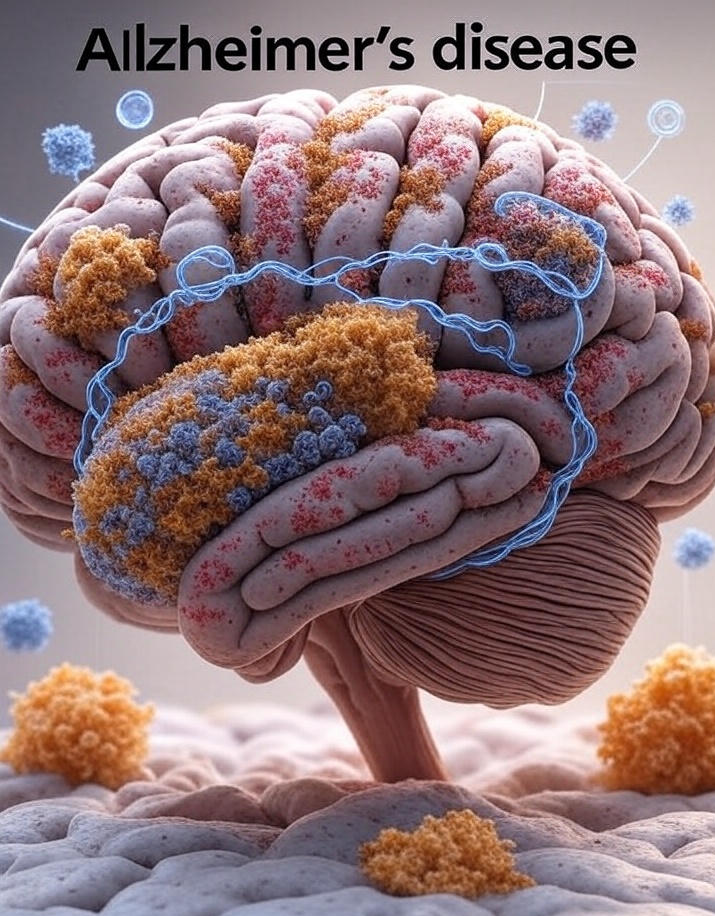
In a groundbreaking scientific advancement, a collaborative team from McMaster University, Cleveland Clinic, and the Case Comprehensive Cancer Center has revealed that a protein traditionally associated with Alzheimer’s disease significantly contributes to the spread of lung cancer to the brain. This finding, detailed in a study published on July 2, 2025, in Science Translational Medicine, suggests the possibility of adapting existing Alzheimer’s medications to prevent or mitigate brain metastases in cancer patients.
The research pinpoints BACE1 as a crucial factor in the progression of brain metastases, tumors that originate from non-small cell lung cancer and migrate to the brain. These metastases impact up to 40% of affected patients and pose significant treatment challenges.
Dr. Sheila Singh, the study’s senior author and director of McMaster’s Centre for Discovery in Cancer Research, commented, “We’ve long linked BACE1 to Alzheimer’s, so discovering its major role in lung cancer brain metastases is a significant breakthrough. It underscores how cancer can exploit biological pathways in unexpected ways.”
The team utilized an innovative genome-wide in vivo CRISPR activation screen to activate thousands of genes in lung cancer cells, which were then introduced into mice. The results showed that activating BACE1 markedly increased the cancer cells’ ability to invade the brain.
BACE1 is widely recognized in neuroscience for cleaving amyloid precursor protein (APP), leading to the formation of amyloid plaques characteristic of Alzheimer’s. This new study expands its relevance, suggesting a broader role beyond neurodegenerative diseases.
The investigation also explored the potential of repurposing Verubecestat, an Alzheimer’s drug targeting BACE1, which was halted in a Phase 3 trial in 2018 due to insufficient benefits. In this cancer study, Verubecestat demonstrated remarkable results, reducing both the number and size of brain tumors in mice and extending their survival compared to untreated controls.
Singh added, “Identifying BACE1 offers a promising opportunity to repurpose drugs like Verubecestat to potentially curb or delay lung cancer’s spread to the brain, an area where treatment options are severely limited.”
While the results are encouraging, the researchers emphasize the need for additional studies to verify the drug’s effectiveness and safety in humans with lung cancer-related brain metastases.
Dr. Shideng Bao, a cancer biologist at Cleveland Clinic and co-author, stated, “This research showcases the power of interdisciplinary collaboration in tackling complex diseases like brain metastases. By recognizing BACE1’s role in lung cancer spread to the brain, we’ve opened a new pathway for therapeutic development that could enhance patient outcomes.”
This work stems from a robust partnership between McMaster University, Cleveland Clinic, and Case Comprehensive Cancer Center. The Sheila Singh Lab, renowned for its pioneering research in brain cancer biology, led the effort, building on previous findings about cancer cell infiltration and immune evasion in the brain.
Funding for the project was provided by the Boris Family Fund for Brain Metastasis Research, the Canadian Cancer Society, the Canadian Institutes of Health Research, the Cancer Research UK Lung Cancer Centre of Excellence, the Cleveland Clinic Foundation and Lerner Research Institute, and a Sir Henry Wellcome Fellowship.
About the Author