New MRI Technique Maps Brain Metabolism to Detect Neurological Disease Signatures
 Pharm'Up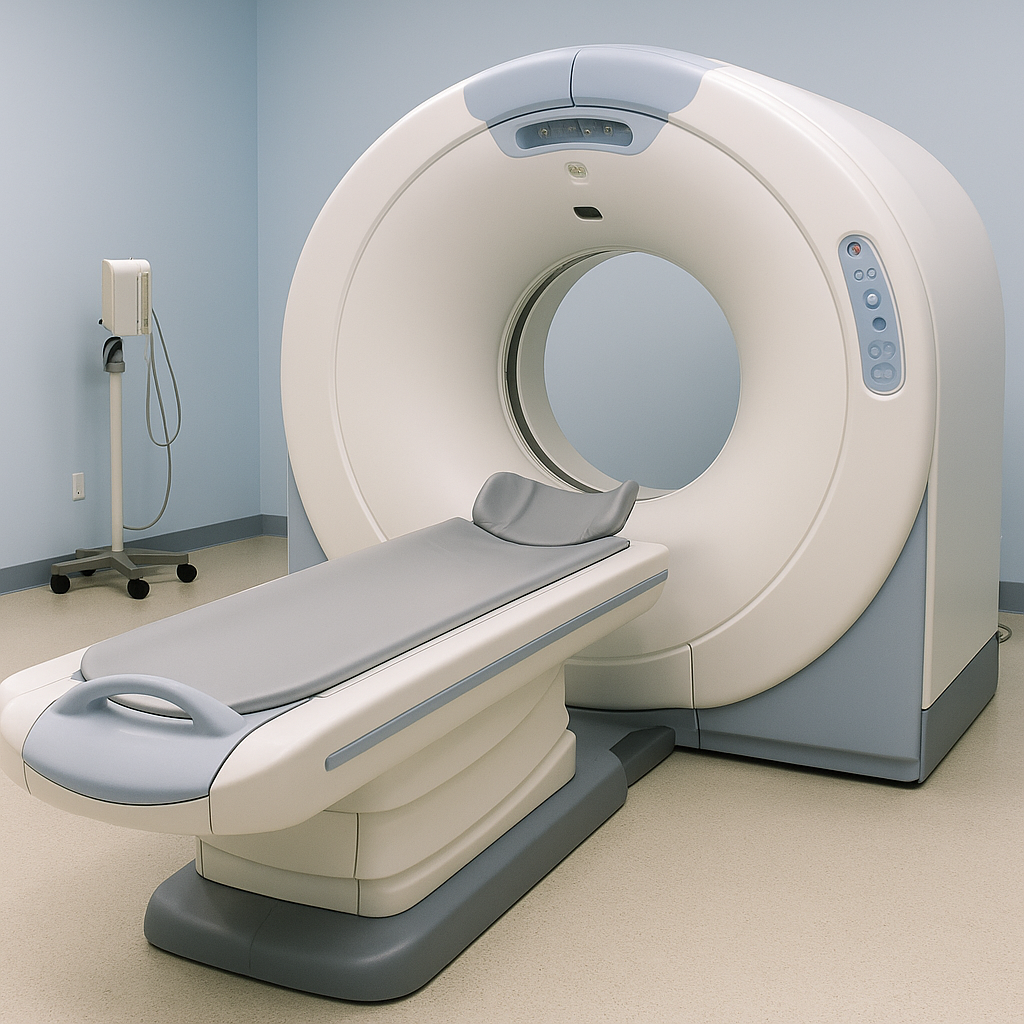
In a major advancement for brain imaging, scientists at the University of Illinois Urbana-Champaign have developed a cutting-edge magnetic resonance imaging (MRI) technique capable of mapping real-time brain metabolism without invasive procedures or radiation. The method, known as functional glucose MRI (fGluMRI), enables researchers to visualize how different areas of the brain consume glucose—its primary source of energy.
Unlike traditional functional MRI (fMRI), which monitors blood flow as an indirect signal of brain activity, fGluMRI provides direct insight into metabolic processes. This is achieved by using a non-radioactive glucose analog combined with innovative MRI scanning protocols, allowing for enhanced spatial and temporal resolution.
The team demonstrated the technology’s capabilities in both animal models and human participants, as detailed in a proof-of-concept study published in Nature Biomedical Engineering. The results showed distinct glucose usage patterns across different brain regions, highlighting metabolic signatures that may correlate with conditions such as Alzheimer’s disease and brain tumors.
One of the standout advantages of this technique is that, unlike PET scans, it does not require radioactive tracers, making it safer, more accessible, and suitable for repeated clinical use.
“This technique allows us to see how the brain is functioning on a metabolic level in real time, offering a powerful new tool for studying and diagnosing diseases that alter brain metabolism,” said the study’s lead author.
By capturing “metabolic fingerprints” of the brain, fGluMRI could pave the way for early diagnosis, monitoring disease progression, and evaluating treatment responses in patients with neurological disorders. As further clinical trials validate its use, the method is expected to become an essential tool in precision medicine and neuroscience research.
This innovation marks a significant step toward safer, more detailed brain imaging that could transform how diseases are detected and managed at the metabolic level.
About the Author