New Denosumab Biosimilar, LY01011, Shows Equivalent Efficacy and Safety for Bone Metastases
 Pharm'Up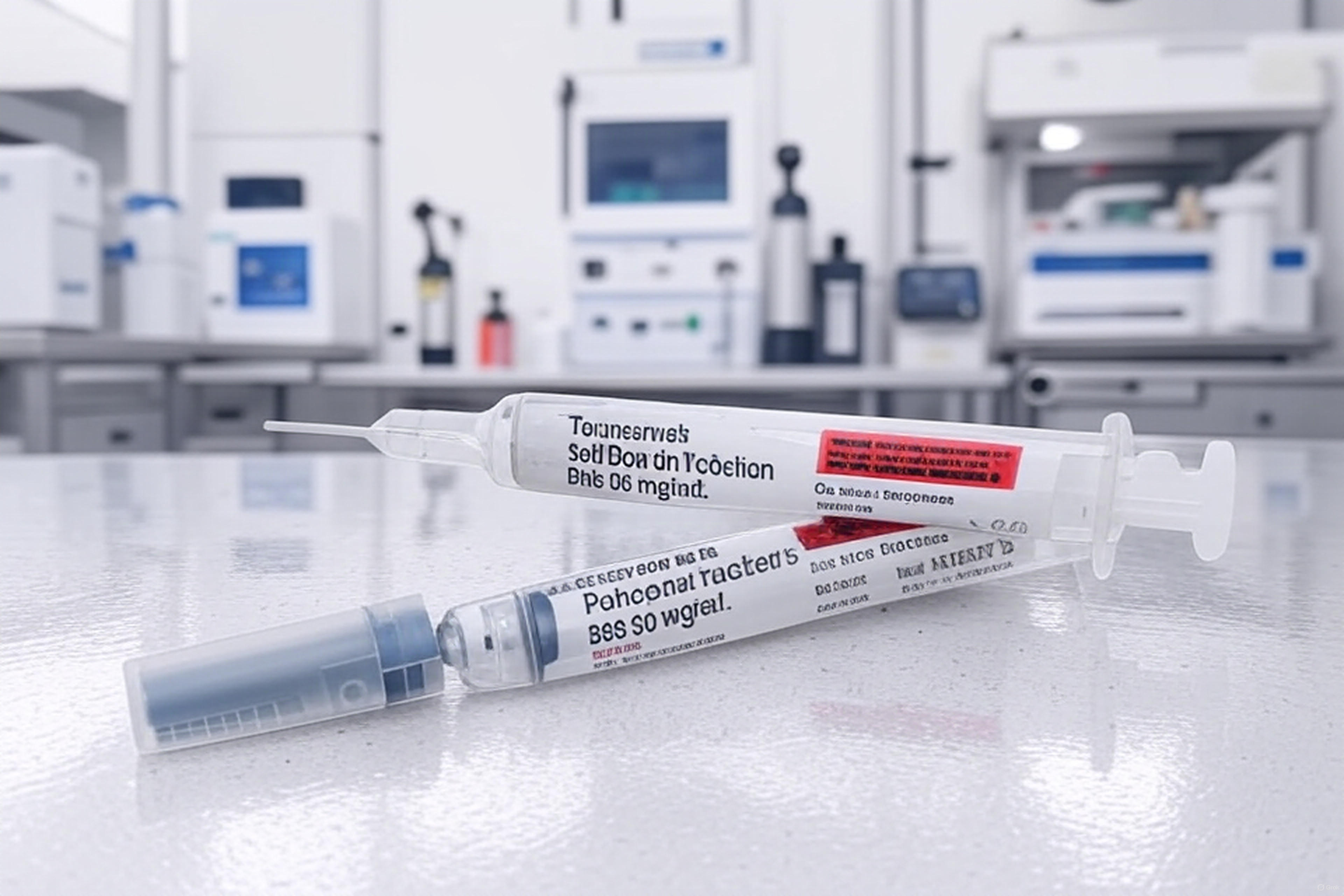
New study findings published in the Journal of Bone Oncology confirm that LY01011, a biosimilar to the bone cancer drug denosumab (Xgeva), is just as effective and safe as the original. The study, conducted by Shandong Boan BioTechnology, focused on treating patients with bone metastases from solid tumors.
What the Study Found
Bone metastases, or cancer that has spread to the bones, can lead to serious complications like fractures and spinal cord compression. Denosumab works by preventing these skeletal-related events (SREs).
The study enrolled 850 patients and randomly assigned them to receive either LY01011 or denosumab. The primary endpoint was a change in a key biomarker, the urinary N-terminal crosslinked telopeptide of type 1 collagen (uNTX/uCr), which measures bone resorption.
The results were clear:
- Efficacy: The study met its primary goal, showing no statistically significant difference between the two drugs. Both were equally effective at reducing bone breakdown.
- Safety: The safety profiles were also comparable. The rates of adverse events (AEs) were very similar between the LY01011 and denosumab groups. Common side effects included decreased white blood cell count, anemia, and hypocalcemia, but no unexpected AEs were observed.
This trial builds on a previous Phase 1 study in healthy volunteers, which also found that LY01011 had similar characteristics to denosumab in terms of its pharmacokinetics (how the body processes the drug), safety, and immune response.
Implications for Patient Care
The successful trial of LY01011 is a significant development. Biosimilars offer a more affordable and accessible alternative to their reference products, which can help reduce the financial burden on healthcare systems and patients. With other denosumab biosimilars already approved, LY01011’s successful trial adds another high-quality option to the market, providing more choices for treating a serious complication of advanced cancer.
About the Author





 Pharm'Up