Teva Settles QVAR Antitrust Case for $35 Million and Agrees to Withdraw Patents, Resolving Generic Delay Claims
 Pharm'Up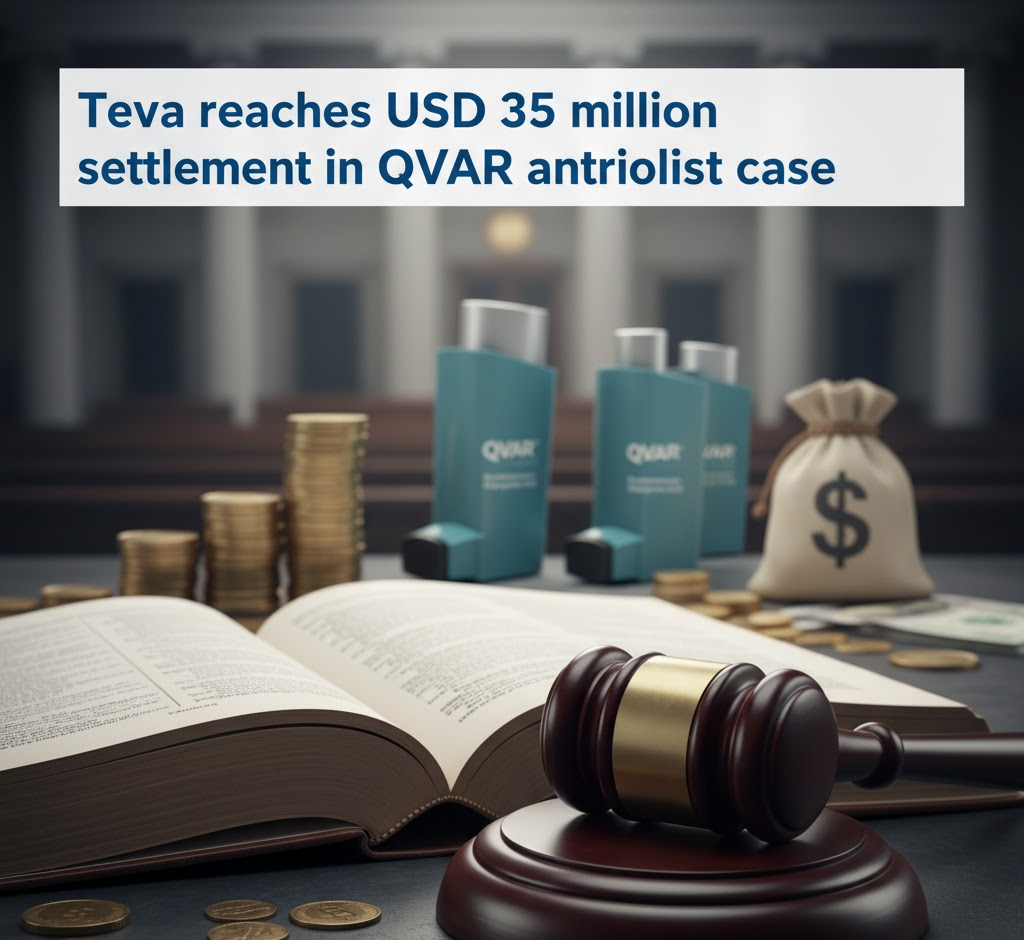
Teva Pharmaceuticals USA, Inc., has agreed to a $35 million settlement to resolve a class action lawsuit filed by end-payors who accused the drugmaker of engaging in an anticompetitive scheme to delay generic versions of its popular asthma inhaler, QVAR (beclomethasone dipropionate HFA).
The proposed settlement was filed in the U.S. District Court for the District of Massachusetts, marking a significant win for consumers and third-party health plans who bore the brunt of alleged price inflation.
Key Terms of the Settlement
The negotiated agreement includes both substantial monetary and injunctive relief:
- Monetary Payment: Teva will deposit $35 million into an interest-bearing escrow account for distribution to class members. The plaintiffs’ counsel noted this amount represents about 11% of the estimated damages but offers a fair and reasonable recovery given the inherent risks of litigation.
- Injunctive Relief (Patent Withdrawal): Teva has agreed to request the withdrawal of six patents currently listed in the FDA’s Orange Book for QVAR and related products. The plaintiffs emphasized that achieving the withdrawal of these patents—which the U.S. Federal Trade Commission (FTC) had previously urged but failed to secure—is a major achievement that will help pave the way for cheaper generic alternatives.
- (Note: Some patents related to the newer QVAR Redihaler device will remain in place.)
The Allegations and Impact
The lawsuit, In re QVAR End-Payor Antitrust Litigation, centered on claims that Teva used improper tactics, including improper patent listings and alleged “sham” litigation against generic manufacturers, to unlawfully maintain its monopoly over the QVAR inhaler, which led to consumers and insurers paying inflated prices. Teva continues to deny any wrongdoing but chose to settle to resolve the complex, multi-year dispute.
Distribution of Funds
The proposed plan for allocating the $35 million fund designates the majority of the money for institutional payors:
- 79.3% for third-party payors (health plans, etc.).
- 20.7% for individual consumer claimants.
The settlement is a pivotal step in promoting competition within the respiratory drug market and remains subject to final court approval following a notice period for class members.
About the Author



 Pharm'Up